Hydraulic vs Traction Home Elevator in India: Which Is the Smarter Choice?
In This Guide
Key Takeaways
- ✓ Hydraulic home elevators offer smooth operation and practical pricing, making them suitable for low-rise homes and homeowners seeking reliable performance.
- ✓ Traction home elevators provide a quiet ride, better energy efficiency, and low maintenance, making them ideal for modern villas and multi-storey homes.
- ✓ Both elevator types can include essential safety features such as automatic rescue devices (ARD), door sensors, overload protection, and emergency alarms.
- ✓ Stag Elevators offers the SE-2 hydraulic model and SE-3 and SE-3 Ultra traction models, with TÜV SÜD certification and customizable designs for Indian homes.
- ✓ Choose the right home elevator based on your number of floors, available space, budget, and long-term needs. A professional site visit can help you select the most suitable Stag home lift.
Introduction
If you are planning to install a home elevator in India, one question comes up almost immediately:
Should I go for a hydraulic home elevator or a traction home elevator?
Both are widely used across Indian homes today. Both are reliable, safe, and available from reputable manufacturers. But they work differently, suit different types of homes, and come with different long-term costs and maintenance needs.
The better choice depends entirely on your home, not on which technology sounds more impressive.
This guide breaks down the hydraulic vs traction home elevator in India comparison clearly and honestly — covering how each technology works, where each one performs better, what installation requires, and how to make the right decision for your specific home in India.
What Is a Hydraulic Home Elevator?
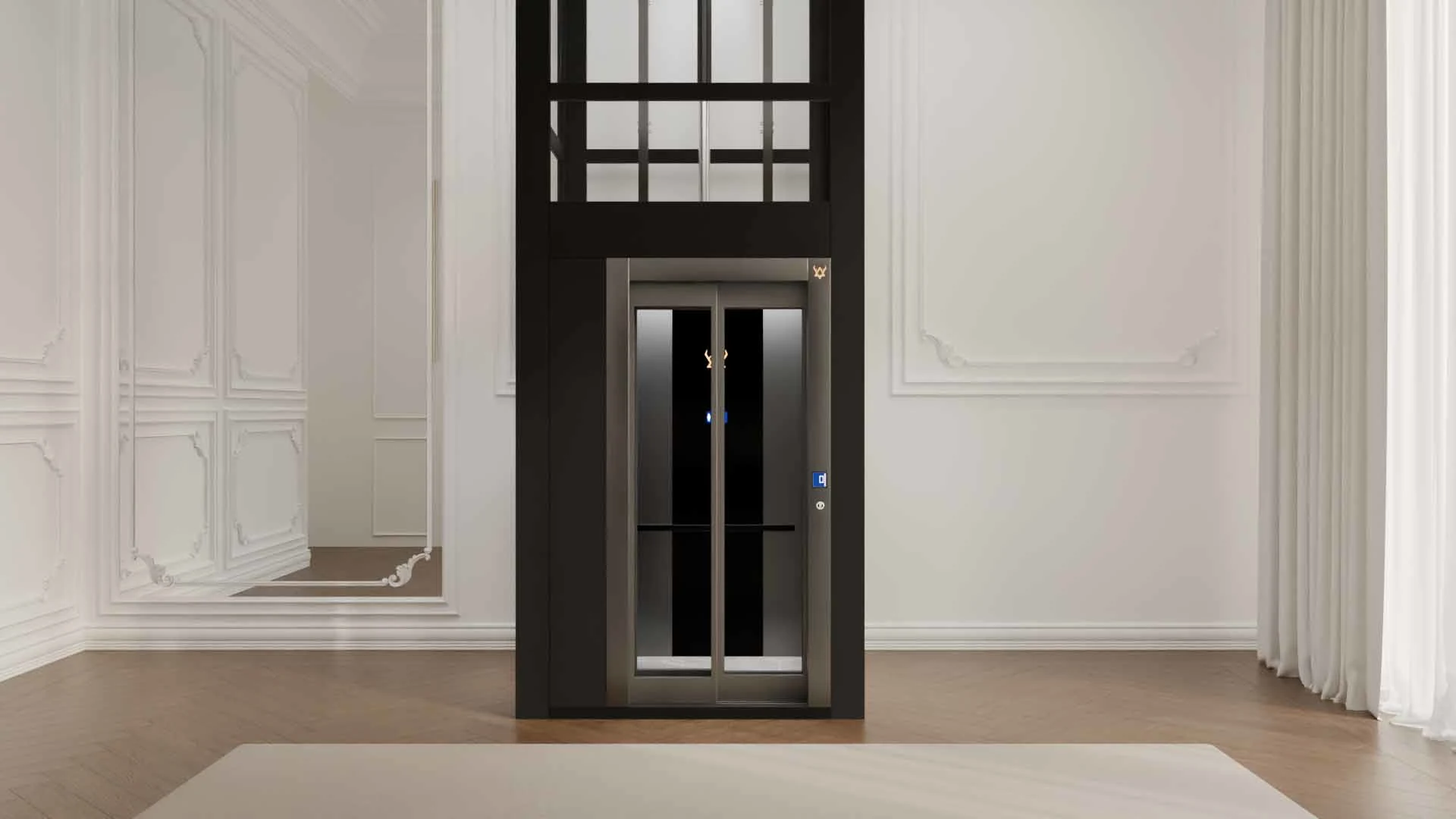
A hydraulic home elevator in India uses fluid pressure to move the cabin between floors. At its core, the system relies on a pump, a cylinder, and hydraulic oil working together — when pressure builds, the cabin rises; when it releases, the cabin descends smoothly.
What sets this technology apart for Indian homeowners is its simplicity. There are fewer electronic components involved compared to traction systems, which makes the overall mechanism easier to understand, easier to service, and less likely to experience technical issues in day-to-day use.
Hydraulic elevators are particularly well suited for:
1. Homes with G+1 to G+3 floors
2. Homeowners prioritising load capacity over ride speed
3. Properties where installation budget is a key consideration
4. Existing homes where major civil work is not practical
The trade-off is that hydraulic systems use oil, which requires periodic checks. They also tend to be slightly slower than traction systems — though for everyday home use, this difference is rarely noticeable.
What Is a Traction Home Elevator?
A traction home elevator in India moves the cabin using a completely different principle. Instead of fluid pressure, it relies on a belt-drive motor system connected to steel ropes or high-strength belts, balanced by a counterweight on the other end. When the motor turns, the cabin moves — smoothly, quietly, and with very little mechanical effort because the counterweight does most of the balancing work.
This counterweight system is what makes traction elevators fundamentally more energy-efficient than hydraulic ones. The motor does not have to work as hard, which means lower power consumption and a longer working life for the key components.
What makes traction elevators stand out for Indian homeowners:
1. Exceptionally smooth and near-silent ride quality
2. Very few moving parts — which directly translates to lower long-term maintenance
3. No oil or hydraulic fluid involved — cleaner system, no fluid-related servicing
4. Better suited for homes with 3 or more floors where ride quality matters more over greater travel heights
5. Energy-efficient operation that reduces electricity consumption over time
The one area where traction systems differ from hydraulic is the upfront investment. Traction home elevators in India generally sit at a higher starting price — but for homeowners focused on long-term value, lower maintenance costs, and a premium daily experience, that investment pays off over the years.
Hydraulic vs Traction Home Elevator: Head-to-Head Comparison
This table puts both technologies side by side across the factors that matter most to Indian homeowners — so you can compare clearly without needing to dig through brochures or sales pitches.
Factor | Hydraulic Home Elevator | Traction Home Elevator |
|---|---|---|
Working Mechanism | Fluid pressure and piston system | Belt-drive motor with counterweight |
Ride Quality | Smooth and stable | Ultra-smooth, near-silent |
Best Suited For | G+1 to G+3 homes | G+2 to G+4 and above |
Load Capacity | High — handles heavier loads well | High — with precise weight balancing |
Energy Efficiency | Moderate | High — counterweight reduces motor load |
Maintenance | Low — periodic oil checks needed | Very Low — no oil or fluid involved |
Starting Price in India | More affordable entry point | Higher starting price |
Long-Term Cost | Low AMC, predictable expenses | Zero AMC on select models |
Ideal For | Budget-conscious homeowners, low-rise homes | Premium homes, long-term value seekers |
Neither technology is inferior — they simply suit different priorities and home types. The table above gives you a clear, side-by-side picture to help you decide which one aligns better with your specific needs.
Which Is Better for Your Home — Hydraulic or Traction?
Stop thinking about which technology is better. Start thinking about which technology is better for your home. That shift in thinking is what leads to the right decision. Whether you are looking for the best home elevator for Villa use or simply trying to understand your options, the decision always comes back to what your specific home needs.
Choose a Hydraulic Home Elevator if:
1. Your home has 2 to 3 floors and daily usage is moderate
2. You want a reliable, proven technology at a more practical starting price
3. Load capacity is important — for larger cabins or heavier daily use
4. You are retrofitting a lift into an already-built home with limited space
5. Predictable, low maintenance costs matter more than the smoothest possible ride
Choose a Traction Home Elevator if:
1. Your home has 3 or more floors where ride quality over greater heights matters
2. You want the quietest, smoothest ride experience for daily family use
3. Long-term ownership cost is a priority — zero AMC on select models means fewer bills over the years
4. You are building a new home and want a future-ready, energy-efficient system
5. Premium interiors and a refined elevator experience are important to you
What if you are still unsure?
The best way to decide between a hydraulic lift and a traction lift is through a proper site visit. The number of floors, available shaft space, your home’s structural layout, and your family’s daily usage patterns all contribute to determining which technology genuinely fits your home — and no website or comparison guide can replace that assessment.
Hydraulic vs Traction: Installation & Space Requirements
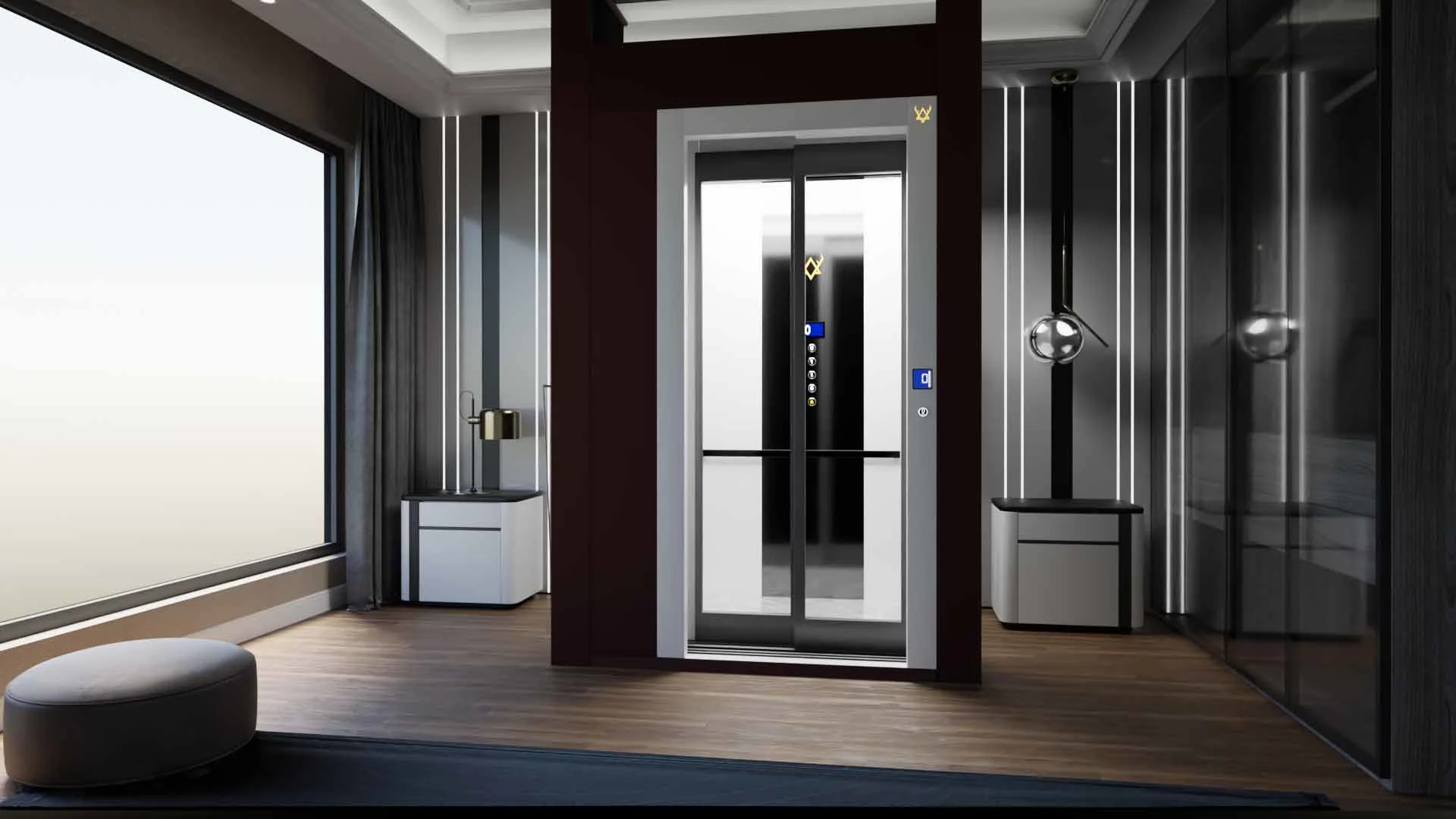
One of the most practical differences between these two home elevator types in India shows up during installation — in how much space each needs, what civil work is involved, and how disruptive the process is to your home.
Hydraulic Home Elevator — Installation & Space
Hydraulic elevators are generally more forgiving when it comes to space and existing home structures. They work well in compact shaft sizes starting from 3.0 ft × 3.0 ft and do not require a separate machine room. A small pit at the base is sometimes needed, though modern hydraulic systems are increasingly designed to minimise or eliminate this requirement.
For homeowners retrofitting a lift into an already-built home, hydraulic technology is usually the more straightforward option. The system’s components are simpler to position within the available space, and civil modifications to the existing structure are typically minimal.
Traction Home Elevator — Installation & Space
Traction elevators are equally compact in terms of shaft size — also starting from 3.0 ft × 3.0 ft — and modern traction systems no longer require a separate machine room or overhead pit. The motor and control panel are integrated into the shaft itself, keeping the overall footprint small.
Where traction installation differs slightly is in the technical precision required. Because the system uses belts, counterweights, and a motor working in balance, the alignment and setup process is more exacting. This is not a problem when handled by an experienced installation team — but it does mean choosing a company with the right technical expertise matters more for traction systems than for hydraulic ones.
What Both Have in Common
Regardless of which technology you choose, both hydraulic and traction home elevators today are designed to work without major structural changes to your home. Most modern installations — whether hydraulic or traction — require no deep pit, no separate machine room, and no significant civil work beyond what is needed for the shaft itself.
Safety Features — What Both Technologies Offer
Regardless of whether you choose a hydraulic or traction home elevator, When comparing home elevator types in India, safety is the one factor that should never be compromised — regardless of which technology you ultimately choose, safety should never be compromised. Both technologies, when properly engineered and independently certified, offer a strong set of safety features for daily residential use.
Safety Features Common to Both
Automatic Rescue Device (ARD)
Both hydraulic and traction elevators include an ARD — a battery-powered system that gently brings the cabin to the nearest landing and unlocks the doors during a power cut, allowing passengers to exit safely without any manual intervention.
Overload Protection
Both systems are built to detect when the weight inside exceeds the rated capacity. When this happens, the elevator simply refuses to operate until the load is reduced — protecting both passengers and the mechanical components.
Door Safety Sensors
Sensors on both types of elevators detect any obstruction in the doorway and immediately stop the doors from closing. This is especially important in homes with young children or elderly family members.
Emergency Alarm and Intercom
Both technologies include an emergency alarm and intercom system — allowing anyone inside the cabin to contact someone outside if they need assistance immediately.
Where They Differ on Safety
The key safety difference between hydraulic and traction elevators lies in the backup during technical faults.
Hydraulic elevators include a manual lowering option — if there is a technical fault, the cabin can be brought down to the ground floor safely using a manual release valve, without needing power or external help.
Traction elevators, on the other hand, rely entirely on the ARD and electronic safety systems during emergencies. This is perfectly reliable when the system is well-engineered and independently certified — but it means the quality of the safety components matters even more.
Independent Certification — Non-Negotiable for Both
Whether you choose a hydraulic or traction home elevator in India, always insist on independent TÜV SÜD certification. This confirms the safety of the entire system has been verified by a globally recognised third party — not just claimed by the manufacturer.
Stag Elevators: The Right Choice for Both Technologies
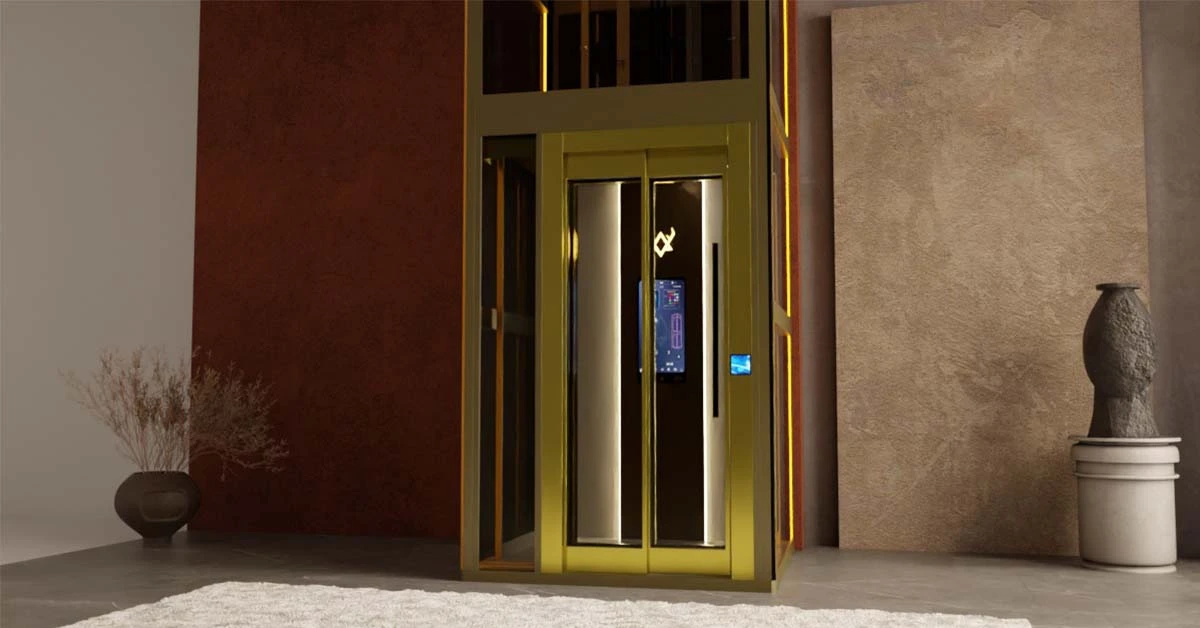
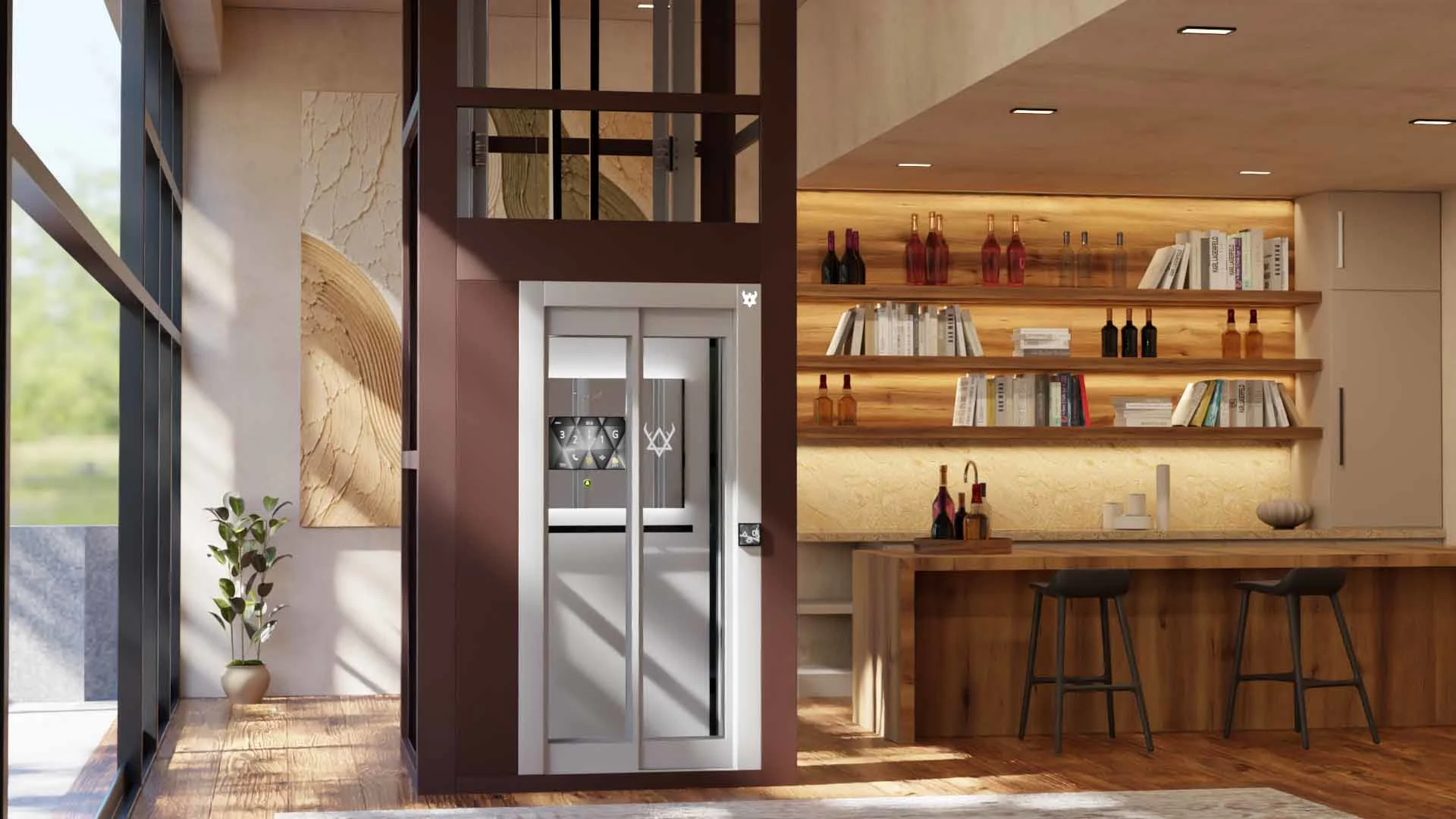
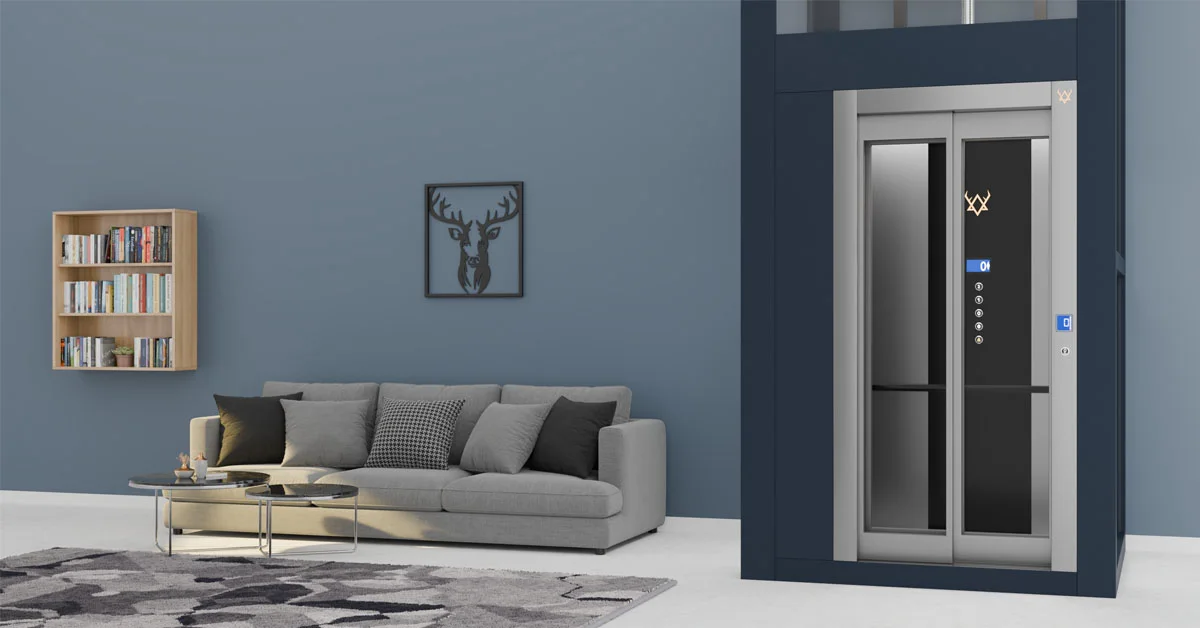
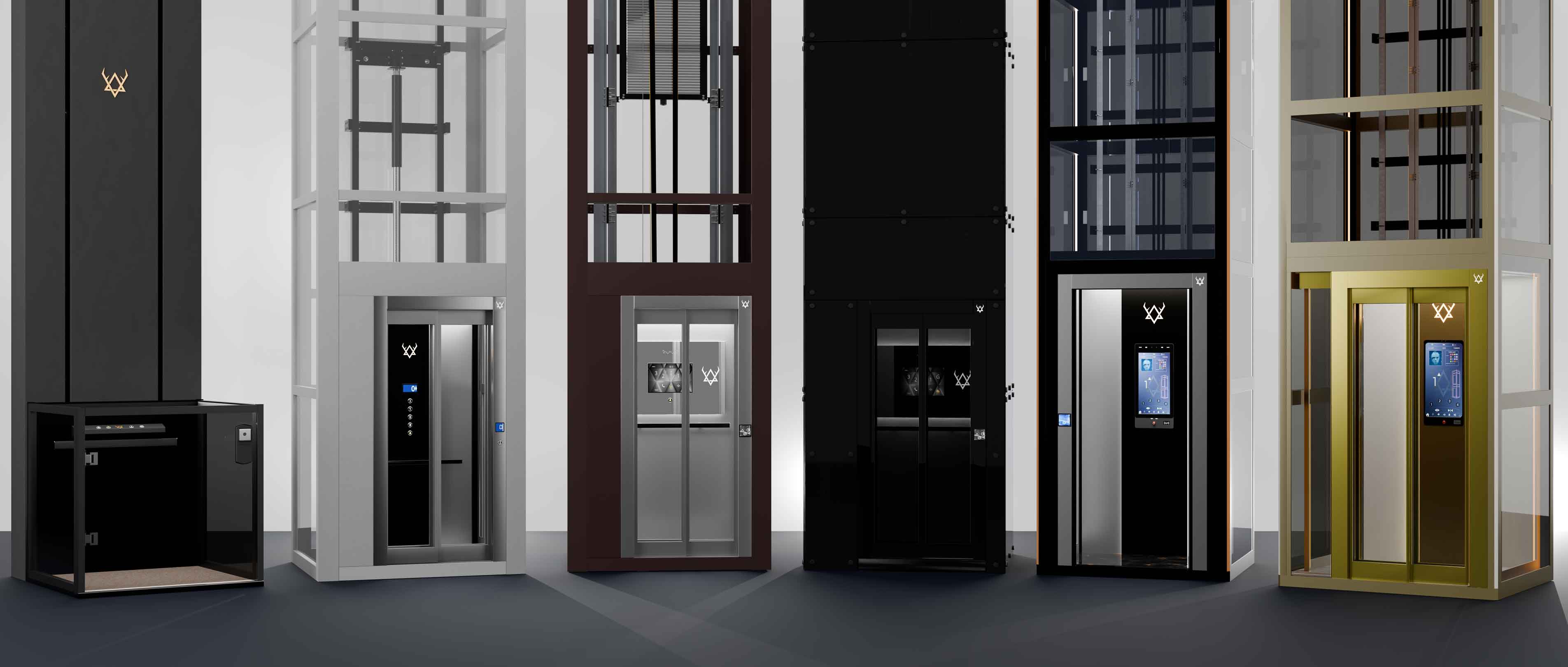
Whether you decide on a hydraulic or traction home elevator, the company you choose to build and install it matters just as much as the technology itself. Stag Elevators offers both technologies — engineered specifically for Indian homes and backed by independent TÜV SÜD certification.
For Hydraulic Home Elevators — SE-2
The SE-2 is Stag’s hydraulic home elevator, built for Indian independent houses and villas. It offers strong load capacity, smooth operation, and a practical starting price — making it one of the most dependable hydraulic options available for homeowners across India today.
For Traction Home Elevators — SE-3 and SE-3 Ultra
The SE-3 and SE-3 Ultra are Stag’s gearless traction home elevators. Both use advanced belt-drive traction technology for an ultra-smooth, near-silent ride. The SE-3 comes with 10 years of zero AMC, while the SE-3 Ultra gearless home elevator is also 10 years of zero AMC — a rare offering in the Indian home elevator market.
What Every Stag Elevator Comes With — Regardless of Technology:
● Independent TÜV SÜD certification
● Custom-built around your home’s specific layout and shaft dimensions
● No separate machine room or deep pit required
● Compatible with standard single-phase home power
● No government license required for private residential use
● End-to-end in-house support — from site visit to long-term after-sales service
When you choose Stag Elevators, you are not just choosing a technology. You are trusting a company that will stand behind that technology — and behind your family’s safety — for years to come.
Get in Touch With Stag Elevators
Whether you have decided on a hydraulic or traction home elevator — or are still weighing your options — the right next step is a proper site visit. Our team will study your home’s layout and your family’s needs, and recommend the best home elevator for your specific situation — with complete transparency at every step.
Stop comparing on paper. Get a precise, no-obligation recommendation tailored to your home.
Contact Stag Elevators Today:
📞 India: +91-9900111082
✉️ Email: info@stagelevators.com
Conclusion
The hydraulic vs traction home elevator debate does not have a single winner. Both technologies are reliable, safe, and well-suited for Indian homes — just for different reasons and different situations.
A hydraulic home elevator in India makes sense when you want a proven, load-bearing system at a practical price for a low to mid-rise home. A traction home elevator in India makes sense when ride quality, energy efficiency, and long-term low maintenance are your priority — especially for homes with 3 or more floors.
What matters most is not which technology wins on paper — it is which one fits your home, your family, and your long-term expectations. That decision becomes much clearer after a proper site visit with a company that understands both technologies equally well.
Choose the right technology. Choose the right partner. And choose with confidence.
Frequently Asked Questions
1. Which home elevator type is more energy efficient — hydraulic or traction?
Traction elevators are more energy efficient because the counterweight balances the cabin, reducing the motor's workload. Hydraulic systems consume slightly more power since they work against gravity without a counterweight.
2. What is the minimum floor height needed for a hydraulic or traction home elevator?
Most home elevators work comfortably with a standard floor-to-ceiling height of around 9 ft. Anything lower may need a customised solution confirmed through a site visit.
3. Which elevator type is safer for homes with elderly family members?
Both are equally safe when independently certified. Hydraulic elevators have an additional manual lowering option during technical faults, which some families with elderly members find reassuring.
4. Does a traction elevator work better than hydraulic for a 4-floor home?
Yes — traction elevators maintain consistent ride quality over greater travel heights, making them better suited for homes with 4 or more floors.
5. What is the zero AMC benefit that Stag Elevators offers on traction models?
Zero AMC means no annual maintenance charges — 10 years on the SE-3 and 10 years on the SE-3 Ultra. This removes recurring servicing costs entirely.
6. Which home elevator type holds its value better over time — hydraulic or traction?
Traction elevators generally hold their value better due to lower maintenance needs and longer component life.
7. Can both hydraulic and traction elevators handle a wheelchair or mobility aid?
Yes — both can be configured with larger cabins to accommodate wheelchairs. Cabin size and door width are customised during the design stage.
8. How do I know which home elevator type is right for my budget in India?
Hydraulic elevators offer a more affordable entry point. Traction elevators cost more upfront, but zero AMC on select models means total ownership costs over 10 years can be comparable or lower.
Ready to Install a Home Elevator in Your Home?
Get a personalized quote and expert guidance from Stag Elevators.