Certified Home Lifts in India – Are They Really Safe? | Stag Elevators

TÜV SÜD certified, Made-in-Italy home lifts with uncompromised safety and complete customisation by Stag Elevators

Table of Contents

Why are Certified Home Lifts Becoming Essential in India?

Certified home lifts are becoming essential in India because modern homes are taller, families are multi-generational, and safety risks increase without regulated standards.

With the rapid rise of multi-storey private homes, villas, and luxury apartments, home lifts has become an essential part of modern living-enchancing comfort, accesability, and long-term convenience.

For example, many villa owners in Bangalore and Hyderabad choose TÜV SÜD-certified home lifts during renovation projects because non-certified models often fail basic safety checks during resale or property audits.

However, when installing a home elevator, design and price should never come before safety.

This is precisely why certified home lifts matter more than ever.

At Stag Elevators, we believe every homeowner deserves a safe, reliable, internationally certified home lift that protects their family for decades.

What is Certified Home Lift?

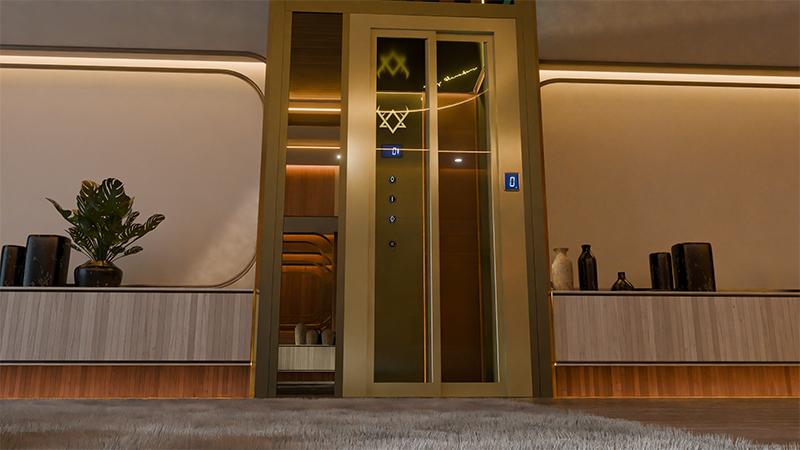
TÜV SÜD certified home lift safety features for residential use

A certified home lift is a residential elevator designed, tested, and manufactured in accordance with international safety standards and verified by recognised certification bodies.

Certified home lifts are:

  • Designed as per global safety norms (European EN standards)

  • Tested by independent certification authorities

  • Built using certified electrical and mechanical components

  • Equipped with proven emergency and passenger-protection systems

Certification ensures compliance with:

  • Passenger safety

  • Emergency evacuation systems

  • Electrical and mechanical reliability

  • Long-term operational performance

Choosing a certified home lift is not just a technical choice — it is a responsibility towards human safety.

What is TÜV SÜD and Why is it Important for Home Lift Safety?

TÜV SÜD is a globally recognised German independent third-party testing, inspection, and certification organisation with over 150 years of experience in safety, quality, and risk management.
It does not manufacture, sell, or install elevators, ensuring complete neutrality in its certification process.

In the home elevator industry, TÜV SÜD evaluates residential lifts against European EN safety standards through detailed technical audits, performance testing, and safety verification.

For Indian homeowners—where private home lifts are not governed by a unified national certification—TÜV SÜD certification provides trusted third-party assurance that a home lift meets internationally accepted safety and reliability benchmarks.

Are There Mandatory Certifications for Home Lifts in India?

No, India currently does not have a unified national certification system specifically for private home lifts.

Unlike commercial elevators, Indian regulations mainly focus on:

  • Commercial buildings

  • Public elevators

  • High-rise developments

For private residential home lifts:

  • Rules vary from state to state

  • Safety enforcement is limited

  • Many unverified manufacturers operate freely

This regulatory gap allows:

  • Low-quality systems to enter the market

  • Non-certified lifts to be installed in homes

  • Long-term safety risks for homeowners

👉 This makes international certification extremely important for Indian homes.

How Does Stag Elevators Ensure International-Level Safety?

Stag Elevators ensures safety by adhering to European EN standards and TÜV SÜD certification — even when Indian regulations do not mandate them.

At Stag Elevators, safety is never optional.

TÜV SÜD Certified Home Lifts

TÜV SÜD is one of the world’s most respected German certification bodies for elevator safety.

Our home lifts are:

  • Designed as per European EN safety standards

  • Tested for passenger protection

  • Built using certified controllers, drives, and safety circuits

This guarantees that every Stag home lift meets global safety benchmarks, not just minimum local requirements.

Why are Stag Elevators Made in Italy?

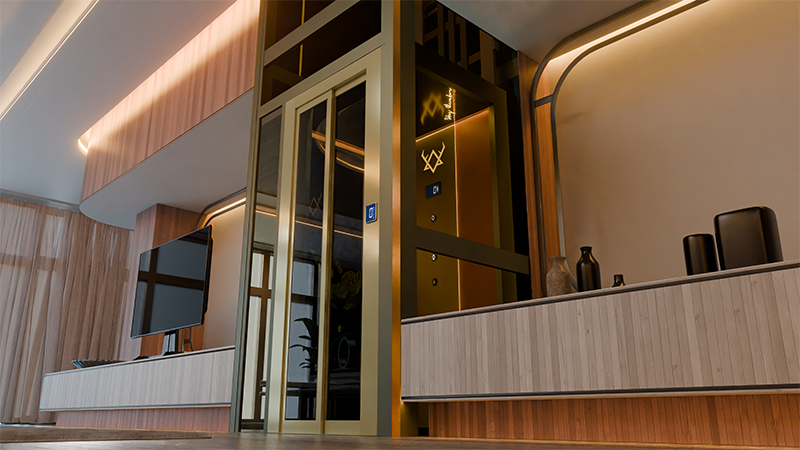
Certified home lifts by Stag Elevators with TÜV SÜD safety standards

Stag home lifts are manufactured in Italy because Italy is globally recognised for premium elevator engineering and safety innovation.

Italian-made home elevators are known for:

  • Superior build quality

  • Advanced safety technology

  • Elegant design and finishes

  • Long operational life

By offering Made-in-Italy home lifts, Stag Elevators brings true European engineering excellence into Indian homes.

Are Stag Home Lifts Fully Customised?

Yes. Every Stag home lift is custom-manufactured — there are no standard sizes.

Unlike mass-produced elevators:

  • Each lift is manufactured after customer-approved drawings

  • Shaft size, cabin dimensions, door positions, and finishes are tailor-made

  • Even compact or architecturally challenging spaces are optimised

This ensures:

  • Maximum space utilisation

  • Minimal civil modifications

  • No compromise on safety or design

Homeowners should always verify local lift regulations and structural requirements with certified engineers before installation.

 If your home has limited space or unique architecture, customisation becomes critical for safety and comfort.

Do Stag Home Lifts Requires a Pit, a Machine Room, or Head Room?

No. Stag home lifts require no pit, no machine room, and no overhead headroom.

Thanks to advanced Italian technology, Stag Elevators offers lifts that are ideal for:

  • Independent houses

  • Duplex and triplex villas

  • Renovation and retrofit projects

  • Architecturally constrained homes

Key advantages:

  • ✅ No pit required

  • ✅ No machine room required

  • ✅ No overhead headroom required

For elderly users and mobility-focused homes, platform lifts also offer a compact and safe vertical mobility solution with minimal civil work.

Who Should Avoid Installing a Home Lift?

Homeowners with extremely narrow staircases, weak structural columns, or heritage-listed buildings should consult a structural engineer before planning a home lift installation.

Even compact, no-pit home lifts require minimum safety clearances to operate safely.

Do Stag Elevators Run on Single-Phase Power?

Yes. All Stag home lifts run on standard single-phase domestic electricity.

This means:

  • ❌ No 3-phase power required

  • ❌ No transformer upgrades

  • ✅ Works on regular household power

  • ✅ Lower installation complexity

  • ✅ Energy-efficient operation

This makes certified home lifts more practical and homeowner-friendly.

What Safety Features Do Certified Home Lifts Include?

Certified home lifts include multiple safety layers to protect passengers in every situation.

Key Safety Features:

  • Emergency Battery Backup: Safe descent and alarm during power failure

  • Door Safety Sensors: Prevents closing if obstruction is detected

  • Overload Protection: Automatically stops operation if the weight exceeds the limits

  • Smooth & Controlled Movement: Jerk-free travel ideal for seniors and children

  • Fire & Electrical Safety Compliance: Flame-retardant wiring and certified controllers

Even TÜV SÜD-certified home lifts require regular professional maintenance to ensure safety systems, emergency backup, and sensors continue to function correctly over time.

Home Lifts: Safety Checks Home Owners Should Verify

Before choosing a home lift, homeowners should ensure that the following essential safety features are present and independently validated.

Safety Check Why It Matters
Emergency Battery Backup Ensures safe exit during power failure
Door Interlock Sensors Prevents accidental opening
Overload Protection Avoids mechanical stress
Certified Control System Ensures stable, safe operation
Independent Certification Confirms third-party safety validation

Verifying these safety checks helps ensure that a home lift remains dependable, secure, and safe for everyday use.

Certified Vs Non-Certified Home Lifts- Whats the Difference?

The differences between certified and non-certified home lifts go far beyond price and directly impact safety, reliability, and long-term peace of mind.

Feature Certified Home Lift (Stag) Non-Certified Home Lift
Safety Standards TÜV SÜD + EN norms No global compliance
Passenger Safety Multiple certified systems Limited or absent
Reliability Long-term performance Frequent breakdowns
Legal & Safety Risk Very low High
Peace of Mind ✅ Yes ❌ No

This comparison highlights why certification is a critical safety factor rather than just a technical specification.

Why is Safety More Important than Cost in Home Lifts?

A low-cost, non-certified home lift may save money initially — but increases long-term safety and maintenance risks when compared with home lift prices in india benchmark for certified systems.

Certified home lifts offer:

  • Long-term reliability

  • Lower maintenance risks

  • Higher family safety

  • International compliance

A non-certified lift can lead to:

  • Unsafe operation

  • Frequent failures

  • Higher repair costs

  • Serious safety incidents

What Should Architects & Developers Consider when Choosing Home Lift?

Architects and developers should specify certified home lifts to increase project credibility and buyer confidence.

Benefits include:

  • Higher property value

  • Senior-friendly housing appeal

  • Reduced legal liabilities

  • Better safety compliance

Premium buyers increasingly look for internationally certified, low-civil-work home elevators.

Why Do Home Owners Choose Stag Elevators?

Stag Elevators home lifts are:

  • Manufactured in Italy

  • TÜV SÜD certified

  • Designed as per European EN standards

  • Fully customised

  • Installed with no pit, no machine room, no headroom

  • Operated on single-phase power

  • Installed and serviced by trained professionals

Each lift is crafted to match your home, lifestyle, and safety needs.

Ready to Upgrade Your Home with a Certified Home Lift?

Bring Italian-engineered, TÜV SÜD certified home lifts into your home — safe, stylish, and fully customised.

📞 India: +91-9900111082 | Dubai: +971-567894252
✉️ Email: info@stagelevators.com
🌐 Website: www.stagelevators.com

FAQ'S
Frequently Asked Questions
  • 1. What is a certified home lift?
    A certified home lift is a residential elevator designed and tested in accordance with international safety standards, such as European EN standards, and certified by recognised bodies such as TÜV SÜD.

  • 2. Are certifications mandatory for home lifts in India?
    No. India lacks a unified certification system for private home lifts, so international certification is strongly recommended.
  • 3. Are Stag home lifts customisable?
    Yes. All Stag home lifts are fully customised — including cabin finishes, glass options, COP panels, flooring, and shaft design.
  • 4. Do Stag home lifts require a pit, a machine room, headroom, or 3-phase power?
    No. They require none of these and run on standard single-phase electricity.
  • 5. Is TÜV SÜD the same as EN certification?
    TÜV SÜD is an independent certification body that verifies compliance with European EN safety standards through testing and audits.
  • 6. Do certified home lifts require periodic safety inspections?
    Yes. Certified home lifts are designed for long-term safety and must undergo regular inspections and maintenance to ensure continued compliance with safety standards and reliable operation.
  • 7. What is the risk of installing a non-certified home lift?
    Non-certified home lifts may lack essential safety systems, undergo no third-party testing, and increase the risk of breakdowns, accidents, and legal liability for homeowners.

Experience & Expertise at Stag Elevators

With years of experience installing certified home lifts in villas, duplex homes, and luxury residences across India and the Middle East, Stag Elevators works closely with architects, structural engineers, and homeowners to deliver safe, regulatory-compliant vertical mobility solutions.

Final Takeaway: Choose Certification Before Cost

A home lift is a long-term safety investment, not just a convenience feature.

Always prioritise:

  • International certification

  • Proven safety systems

  • Professional installation

  • Long-term reliability

Choose wisely. Choose safety. Choose certified home lifts.

Author's Bio

Picture of Vinoth Kannan

Vinoth Kannan

Vinoth Kannan is the CTO and Co-Founder of Stag Elevators, bringing years of technical expertise in designing safe and reliable home elevator systems. He leads the engineering, product innovation, and TÜV SÜD–certified quality processes that power Stag’s European-standard home lifts. His work ensures homeowners receive trusted, high-performance elevator solutions built for the future.

Leave a comment

Submit Your Details
Download Our Brochure
Want Help?
We Are Here to Talk!

Enquire Now
Want to know more about Stag Elevators?
We Are Here to Talk!
Enquire Now
Submit Your details &
Get Callback Shortly