Home Elevator Price in Delhi (2026): Cost, Types & Safety Standards

Explore the latest home elevator price in Delhi, typically ranging from ₹10L to ₹30L+, with a detailed cost breakdown, domestic lift cost, and floor-wise pricing. Compare options with home lift prices in India and find the right small home lift for your space and budget.

Table of Contents

Introduction to Home Elevator Price in Delhi

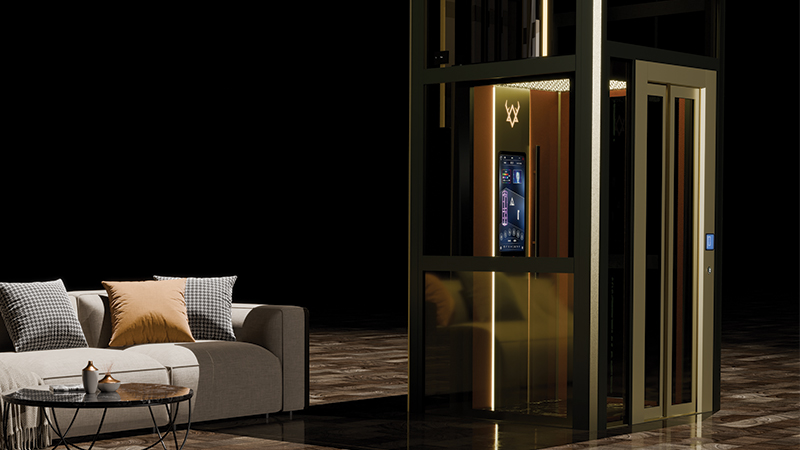
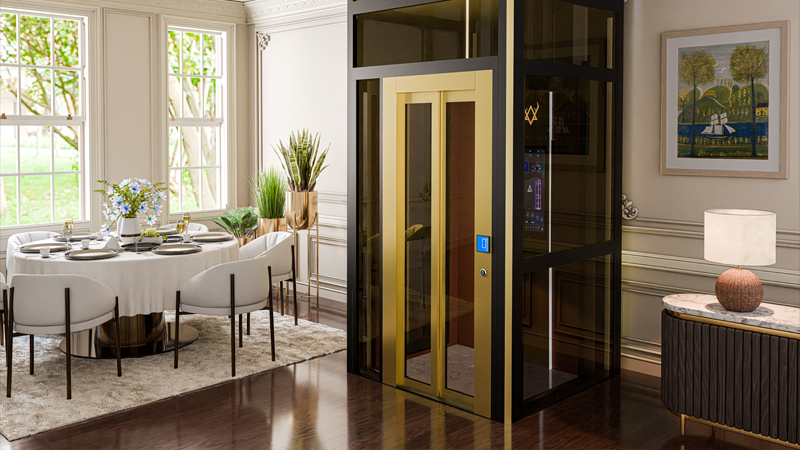
Modern home elevator price in Delhi with advanced safety features

The demand for home elevators in Delhi has grown rapidly as modern homes focus on comfort, accessibility, and long-term convenience. Whether it’s a villa, duplex, or builder floor, installing a lift is now becoming a practical upgrade rather than just a luxury.

The home elevator price in Delhi typically ranges from ₹10L to ₹30L+, depending on the number of stops, lift type, and level of customization. When compared to the overall home lift price in India, pricing in Delhi may vary due to space constraints, design preferences, and installation requirements.

From compact options like a small home lift to more advanced residential systems, understanding the complete domestic lift cost is essential before making a decision. In this guide, you’ll explore pricing, types, safety standards, and key factors to help you choose the right home elevator for your needs.

What is a Home Lift?

A home lift, also known as a home elevator, residential lift, or domestic lift, refers to the same system designed to transport people between floors in a private residence. These terms are often used interchangeably in the industry, and all describe elevators specifically built for homes rather than commercial buildings.

A home lift is typically compact, energy-efficient, and designed to fit within limited residential spaces. Whether installed in villas, duplex homes, or builder floors, home elevators in Delhi are customized to match the layout, safety requirements, and aesthetic preferences of the property.

Modern solutions range from a small home lift for compact spaces to advanced systems with premium cabin designs and automation features. While features and technologies may vary, the primary purpose remains the same — to provide safe, convenient, and accessible vertical mobility within a home.

Understanding this terminology helps homeowners better evaluate options and estimate the overall home lift price when planning installation.

Types of Home Elevator Technologies Available in Delhi

1. Gearless / Traction Elevators

Gearless traction elevators are considered one of the most advanced and widely used technologies for residential applications. They work using a system of counterweights, belts or ropes, and a motor to move the cabin smoothly between floors. This mechanism ensures an ultra-smooth, quiet, and efficient ride, making them a preferred choice for modern homes.

2. Hydraulic Elevators

Hydraulic elevators operate using a piston and fluid pressure system to move the cabin. When hydraulic fluid is pumped into the cylinder, it pushes the piston upward, lifting the cabin, and releases pressure to descend. This technology provides a smooth journey and is commonly used for low-rise residential buildings.

3. Platform Lifts

Platform lifts are designed for homes where there is limited space and installing a full elevator shaft is not feasible. In this system, only the platform or cabin moves up and down without requiring a conventional shaft structure. These lifts can be implemented using both traction and gearless mechanisms, depending on the requirement.

4. Screw-Driven Elevators

Screw-driven elevators operate using a rotating screw mechanism to move the cabin vertically. This is an older technology that relies more on mechanical components. While it is compact and does not require a pit, it generally involves higher maintenance due to the number of moving parts and mechanical wear over time.

5. Vacuum / Pneumatic Elevators

Vacuum elevators work based on air pressure differences to move the cabin within a cylindrical tube. While they are modern and visually unique, many homeowners are cautious due to concerns about design limitations, cylindrical structure, and perceived risks such as vacuum leakage. These are usually considered only when space constraints are very specific, and overall adoption in the market remains limited.

Each home elevator technology differs in its working mechanism, space requirement, and usage. The table below gives a quick comparison to help you understand the key differences.

Comparison Table: Home Elevator Technologies


Technology Working Mechanism Key Advantage Consideration
Gearless / Traction Counterweights with belts/ropes and motor system Ultra smooth, efficient, and modern ✅ Yes
Hydraulic Piston and fluid pressure system Smooth operation, good for low-rise homes ✅ Yes
Platform Lift Platform moves without full shaft (traction/geared) Ideal for compact spaces ✅ Yes
Screw-Driven Rotating screw mechanism compact design ❌ No
Vacuum / Pneumatic Air pressure (vacuum) system Unique design, minimal civil work ❌ No

As shown above, each technology has its own advantages. The right choice depends on your space, budget, and specific requirements.

Home Elevator Price in Delhi

The home elevator price in Delhi typically ranges between ₹6L to ₹30L+, depending on the type of elevator, home lifts safety standards, and level of customization. Broadly, home lifts in the market can be categorized into three segments: local elevators, standard elevators (commercial), and premium home elevators.

Understanding these categories is important, as the price directly reflects the quality, safety features, and long-term reliability of the lift.

Types of Elevators Based on Pricing

1. Local Elevators (₹6L – ₹10L)

Local elevators are the most budget-friendly option, with prices typically ranging from ₹6L to ₹10L. These lifts are built using low-cost materials and usually come with minimal safety features. In most cases, they lack proper certifications and use basic components, which may impact durability and safety over time.

2. Standard Elevators / Commercial Elevators (₹8L – ₹15L)

Standard or commercial elevators generally cost between ₹8L and ₹15L. They offer moderate safety features and follow basic local standards. However, these elevators are designed with fixed dimensions, offer limited customization, and often involve higher maintenance costs (AMC) in the long run.

3. Premium Home Elevators (₹12L – ₹30L+)

Premium home elevators typically start from ₹12L and can go up to ₹30L+, depending on customization and features. These lifts are specifically designed for residential use, offering advanced safety systems, smooth performance, and high-quality components. They also comply with international standards such as TÜV SÜD and European safety certifications, ensuring long-term reliability and user safety.

Home elevator prices in Delhi vary based on safety, quality, and customization. The comparison below gives a clear overview of different categories, helping you understand what you get at each price level.

Category Price Range Safety Features Customization Quality & Certification Recommended For
Local Elevators ₹6L – ₹10L Low Limited No proper certifications, low-quality components ❌ No
Standard Elevators (Commercial) ₹8L – ₹15L Medium Standard sizes only Basic local certifications, higher AMC ⚠️ Budget-based (high AMC over years)
Premium Home Elevators ₹12L – ₹30L+ High Fully customized TÜV SÜD / European safety standards, high-quality components ✅ Yes

Note: Prices mentioned are indicative and may vary based on site conditions, customization, and installation requirements.

As shown above, lower-priced options may reduce upfront cost but often compromise on safety and long-term reliability. Premium home elevators, while higher in price, offer better performance, certifications, and long-term value.

Floor-Wise Home Elevator Price in Delhi

The home elevator price in Delhi also depends on the number of floors (stops). As the number of stops increases, the cost rises due to additional materials, installation complexity, and power requirements.

The table below provides an estimated floor-wise cost comparison for local, standard, and premium home elevators to help you understand how pricing changes based on the number of stops.

Number of Stops Local Elevators Standard Elevators Premium Home Elevators
G + 1 (2 Stops) ₹6L – ₹8L ₹8L – ₹10L ₹12L – ₹16L
G + 2 (3 Stops) ₹7L – ₹9L ₹9L – ₹12L ₹14L – ₹20L
G + 3 (4 Stops) ₹8L – ₹10L ₹11L – ₹14L ₹16L – ₹24L
G + 4 (5 Stops) ₹9L – ₹11L ₹13L – ₹15L+ ₹18L – ₹30L+

Note: The above prices are indicative and may vary depending on factors such as the number of stops, customization, design, and site conditions.

As the number of stops increases, the cost rises due to additional rails, structure, and installation complexity. Cost-effective for fewer floors, premium home elevators provide better safety, smoother performance, and long-term reliability across all floor levels.

Safety & Certifications to Check Before Buying a Home Elevator

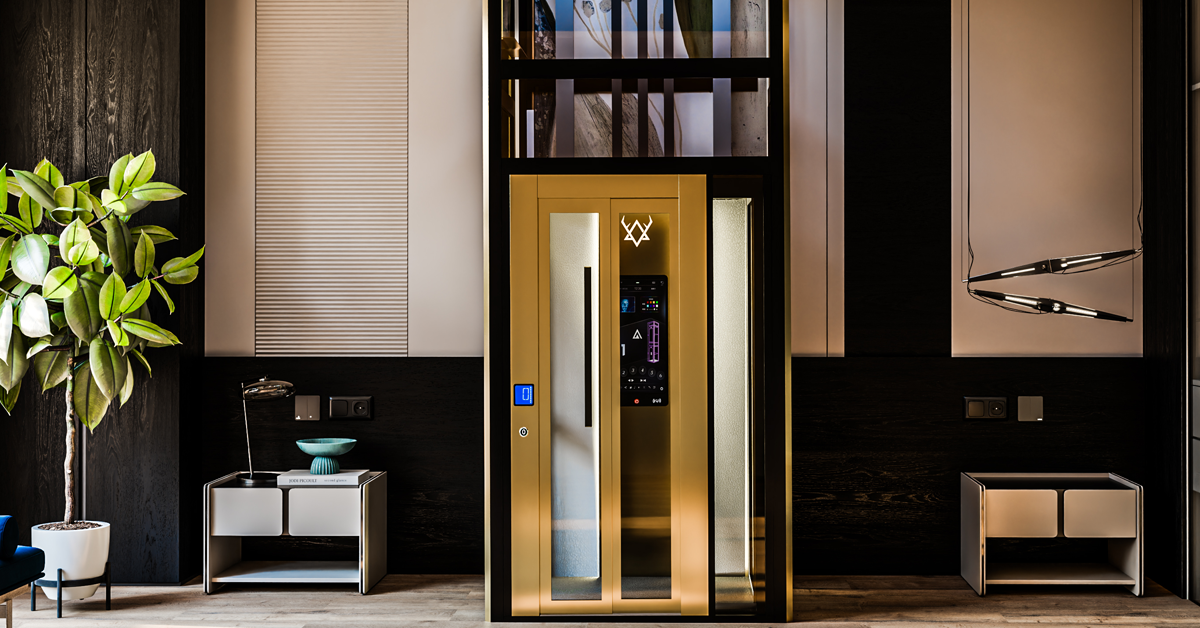
Home lift price in Delhi featuring stylish and compact interior design

When investing in a home elevator, safety should never be compromised. Whether you choose a home elevator, home lift, or domestic lift, all refer to the same system — and ensuring the right safety features is critical for long-term reliability and user protection.

Essential Safety Features in Home Elevators

Before finalizing your lift, make sure it includes these key safety components:

1. Emergency Lowering System

In case of a power failure, the lift should automatically move to the nearest floor and allow a safe exit.

2. Battery Backup (ARD System)

An Automatic Rescue Device (ARD) ensures the elevator continues to function during power cuts and prevents passengers from getting stuck.

3. Door Safety Sensors

Prevents the door from closing if there is any obstruction, ensuring user safety—especially for children and elderly users.

4. Overload Protection

Stops the elevator from operating if the weight limit is exceeded, protecting both users and the system.

5. Alarm & Emergency Communication

An inbuilt alarm or communication system helps users call for help in case of emergencies.

6. Smooth Start & Stop Mechanism

Advanced systems like traction elevators provide jerk-free movement, reducing sudden shocks and improving ride comfort.

Certifications to Look for in Home Elevators

Safety is not just about features—it’s also about compliance with international standards.

1. TÜV SÜD Certification (Highest Safety Standard)
One of the most trusted certifications in the home elevator industry.

2. Globally Recognized Testing Authority
TÜV SÜD is a globally recognized third-party certification body that verifies compliance with strict European safety standards.

3. Ensures Compliance with Safety Norms
TÜV SÜD certification ensures that home elevators meet rigorous safety and performance requirements.

4. EN 81-41 Standard
Covers safety rules for vertical platform lifts used in residential spaces.

5. EN 81-50 Standard
Focuses on design, testing, and safety verification of elevator components.

6. Focus on Safety and Reliability
A well-designed home elevator ensures safety, reliability, and long-term performance.

7. Choose Certified Home Elevators
Always prioritize certified home lift systems with advanced safety features when evaluating the home elevator price in Delhi.
A well-designed home elevator is not just about convenience—it’s about safety, reliability, and peace of mind. Always prioritize certified home lifts systems with advanced safety features when evaluating the home elevator price in Delhi.

Stag Elevators: Premium Home Elevators in India

Stag Elevators offers premium home elevators designed for modern homes with a focus on safety, design, and customization.

  • No pit, no headroom, no machine room

  • ✅ Tailor-made home elevators for your space

  • ✅ Design & Components imported from Italy

  • ✅ Runs on single-phase power

  • ✅ 0 AMC on selected models

  • ✅ Wide range of technology options

  • ✅ TÜV SÜD certified (European safety standards)

  • ✅ Featured in Indian Forbes & Times Property India

For those looking for home elevators in Delhi, Stag Elevators delivers a perfect balance of safety, performance, and premium design.

This makes Stag Elevators a preferred choice for homeowners looking for premium, safe, and future-ready home elevator solutions.

Home Elevator Installations Across Delhi NCR – Stag Elevators

Stag Elevators has completed multiple home elevator installations in Delhi NCR, delivering customized solutions across various residential locations.

Some of our key installation areas include:

  • Punjabi Bagh, Delhi

  • Green Park Extension, South Delhi

  • Dwarka, Delhi NCR

  • Bhajanpura, Delhi

Apart from these, we have multiple home elevator installations across Delhi NCR, covering various residential layouts and space conditions.

You can also watch real installations and customer feedback from Delhi on the Stag Elevators YouTube channel: https://www.youtube.com/@stagelevators

With multiple successful projects and real customer testimonials, Stag Elevators continues to be a trusted choice for home elevators in Delhi.

Get Expert Guidance on Home Elevators- Connect with Stag Elevators

Choosing the right home elevator depends on your space, budget, and safety requirements. If you’re planning to install a lift, it’s always better to get expert advice before making a decision.

At Stag Elevators, our team helps you choose the right solution based on your home layout, budget, and safety needs. From understanding pricing to final installation, we guide you at every step.

Connect with Stag Elevators to explore premium, safe, and fully customized home elevators in Delhi designed to match your space, comfort, and long-term needs.

Frequently Asked Questions

faq's
Frequently Asked Questions
  • 1. What is the small home lift price in Delhi?
    The small home lift price in Delhi typically starts from ₹6L and can go up to ₹15L, depending on the technology, number of stops, and safety features. Compact lifts are ideal for limited spaces and can reduce civil work costs.
  • 2. What is the price of a 2-person or 4-person home lift in Delhi?
    The price of a home lift in Delhi is not primarily determined by whether it is a 2-person or 4-person lift. Instead, the final cost depends on factors such as the number of floors (stops), the elevator technology used (hydraulic, traction, or gearless), and the level of customization and safety features. For premium home elevators, prices in Delhi typically start from around ₹12 lakhs onwards and can increase based on the specific requirements and specifications of the project.
  • 3. What safety features should a home elevator have?
    A home elevator should include essential safety features like emergency lowering, battery backup (ARD), door sensors, overload protection, and alarm systems to ensure safe operation.
  • 4. Are premium home elevators safer than cheaper options?
    Yes, premium home elevators are generally safer as they include advanced safety systems, high-quality components, and certifications like TÜV SÜD, ensuring compliance with international standards.
  • 5. Which is the best technology for home elevators?
    Both gearless traction and hydraulic home elevators are widely preferred technologies, known for their smooth operation, durability, and safety. The selection depends on your home layout and specific requirements.
  • 6. What is the difference between hydraulic and traction home lifts?
    A hydraulic lift for home uses a piston and fluid system for movement, while traction elevators use counterweights and belts/ropes, offering smoother rides and better efficiency.
  • 7. Why choose a premium home elevator brand?
    Premium brands offer better safety, customization, certified components, and long-term reliability, making them a better investment compared to low-cost alternatives.
  • 8. Are Stag Elevators suitable for homes in Delhi?
    Yes, Stag Elevators provides customized home elevators in Delhi with advanced safety features, TÜV SÜD certification, and solutions like no pit, no machine room, and single-phase operation.

How to Choose the Right Home Elevator for Your House

Choosing the right home elevator is not just about price. It depends on your space, safety requirements, and long-term usability. Whether you’re exploring home elevators in Delhi or comparing the home lift price in India, understanding the key factors will help you make the right decision.

1. Understand Your Space & Layout

Start by evaluating the available space in your home. For compact homes, a small home lift or shaftless option may be suitable. For larger homes, you can opt for more spacious and premium configurations.

2. Choose the Right Technology

Selecting the right technology is important for performance and reliability. Both traction elevators and hydraulic lifts for home are widely used and offer smooth operation. The choice depends on your space, number of stops, and usage.

3. Prioritize Safety & Certifications

Always check for essential safety features such as emergency lowering, battery backup (ARD), door sensors, and overload protection. Choosing elevators with TÜV SÜD certification and compliance with European standards ensures better safety and reliability.

4. Plan Your Budget Wisely

Understand the complete domestic lift cost, including installation and maintenance. While lower-cost options may seem attractive, investing in a quality system ensures better performance and long-term value.

5. Check Size Flexibility & Pricing Model

Not all elevator providers offer flexible sizing, and many have fixed dimensions that may not suit every home.

At Stag Elevators, there are no standard size restrictions. Each elevator is customized based on your space, with sizes ranging from 3 ft × 3 ft to 6.5 ft × 6.5 ft.

Pricing is based on the number of stops (floors) rather than the size of the elevator, making it more transparent and practical.

6. Choose a Trusted Brand

Selecting a reliable brand ensures better product quality, safety, and long-term service support. Premium providers offer certified systems, customization options, and consistent performance.

By considering these factors, you can choose a home elevator that offers the right balance of safety, performance, and cost for your home.

Conclusion

The home elevator price in Delhi depends on multiple factors such as technology, number of stops, safety features, and level of customization. While prices can range from budget-friendly local options to premium home elevators, choosing the right solution should always go beyond just cost.

Understanding the differences between elevator types, evaluating safety standards, and considering long-term reliability will help you make a better decision. Whether you are planning for a compact setup or a fully customized solution, investing in a quality home elevator ensures comfort, convenience, and safety for years to come.

For homeowners exploring home elevators in Delhi, selecting a trusted provider with certified systems and flexible solutions can make all the difference in achieving the right balance between price and performance.

A well-chosen home elevator is not just an upgrade—it’s a long-term investment in comfort, safety, and modern living.

Author's Bio

Picture of Vinoth Kannan

Vinoth Kannan

Vinoth Kannan is the CTO and Co-Founder of Stag Elevators, bringing years of technical expertise in designing safe and reliable home elevator systems. He leads the engineering, product innovation, and TÜV SÜD–certified quality processes that power Stag’s European-standard home lifts. His work ensures homeowners receive trusted, high-performance elevator solutions built for the future.

Leave a comment

Submit Your Details
Download Our Brochure
Want Help?
We Are Here to Talk!

Enquire Now
Want to know more about Stag Elevators?
We Are Here to Talk!
Enquire Now
Submit Your details &
Get Callback Shortly