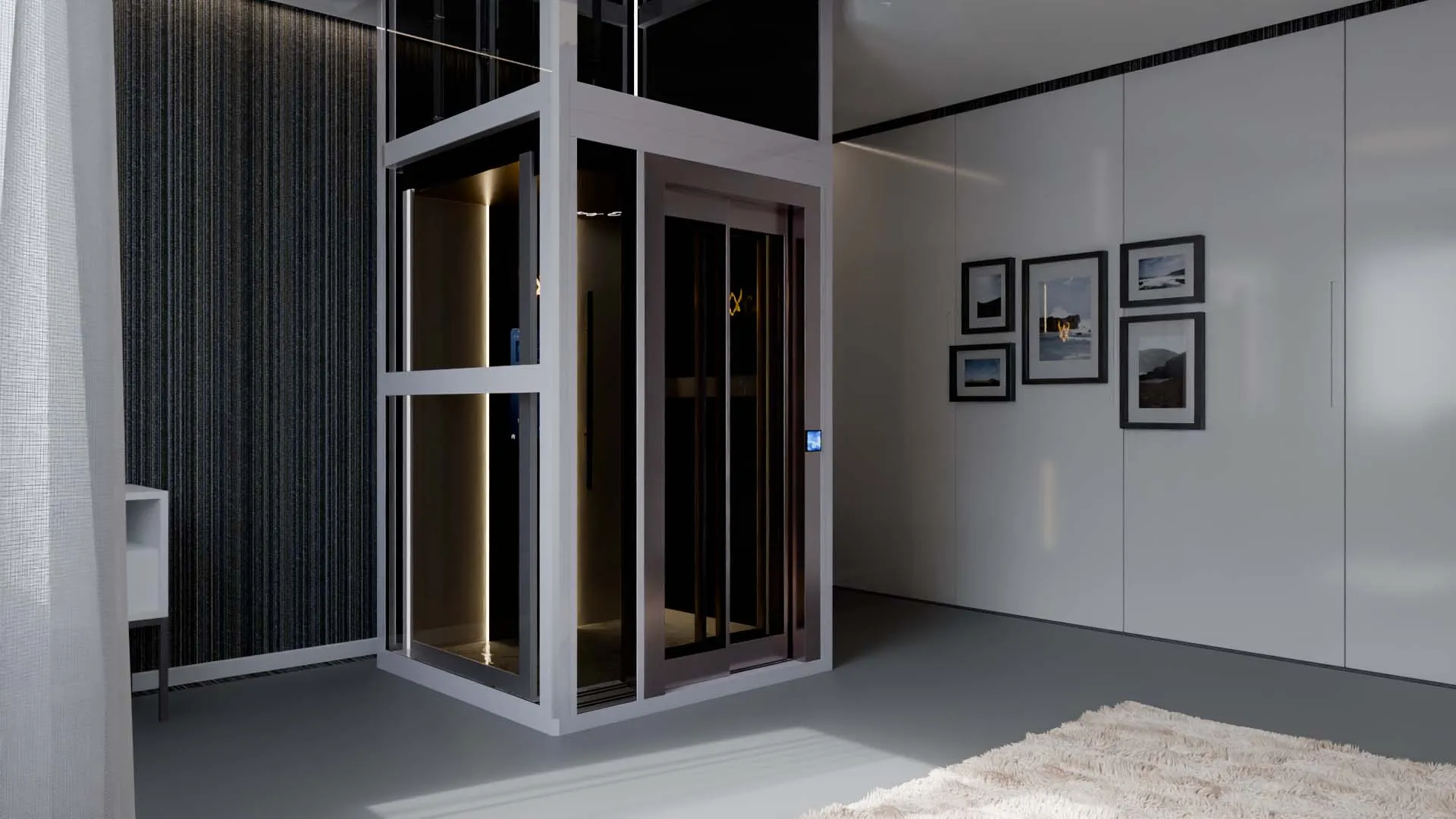
Smart Home Lifts in India: The Features That Actually Make a Difference
In This Guide
Key Takeaways
- ✓ A smart home lift is a normal lift with extra electronics. It moves exactly like any home lift, and the “smart” part only changes how you use it and how closely it is looked after.
- ✓ Two smart features help almost every home. A large touch display and diagnostics (the lift warns of a problem early) are worth paying for, while face ID and personal settings suit homes where several people share the lift.
- ✓ The benefit shows up in small daily moments. Older parents can move between floors on their own, and children, grandparents and guests can all use the lift without instructions.
- ✓ Power cuts and internet drops do not strand you. A battery-backed rescue system brings the lift to the nearest floor, and the ride never depends on your internet.
- ✓ Smart features do not replace safety or build quality. Ask who looks after the software and how your face data is stored, and check that the certification covers the exact model.
Introduction
A home lift used to do one job: take you from one floor to another. Press a button, wait, step out. Smart home lifts in India are starting to change that, and they leave buyers with a new decision about what is worth paying for.
Some smart features make daily life easier. Others look good in a brochure and add little at home. Sorting one from the other before you buy saves money and avoids a lift you end up regretting.
Smart Home Lifts: What “Smart” Actually Means
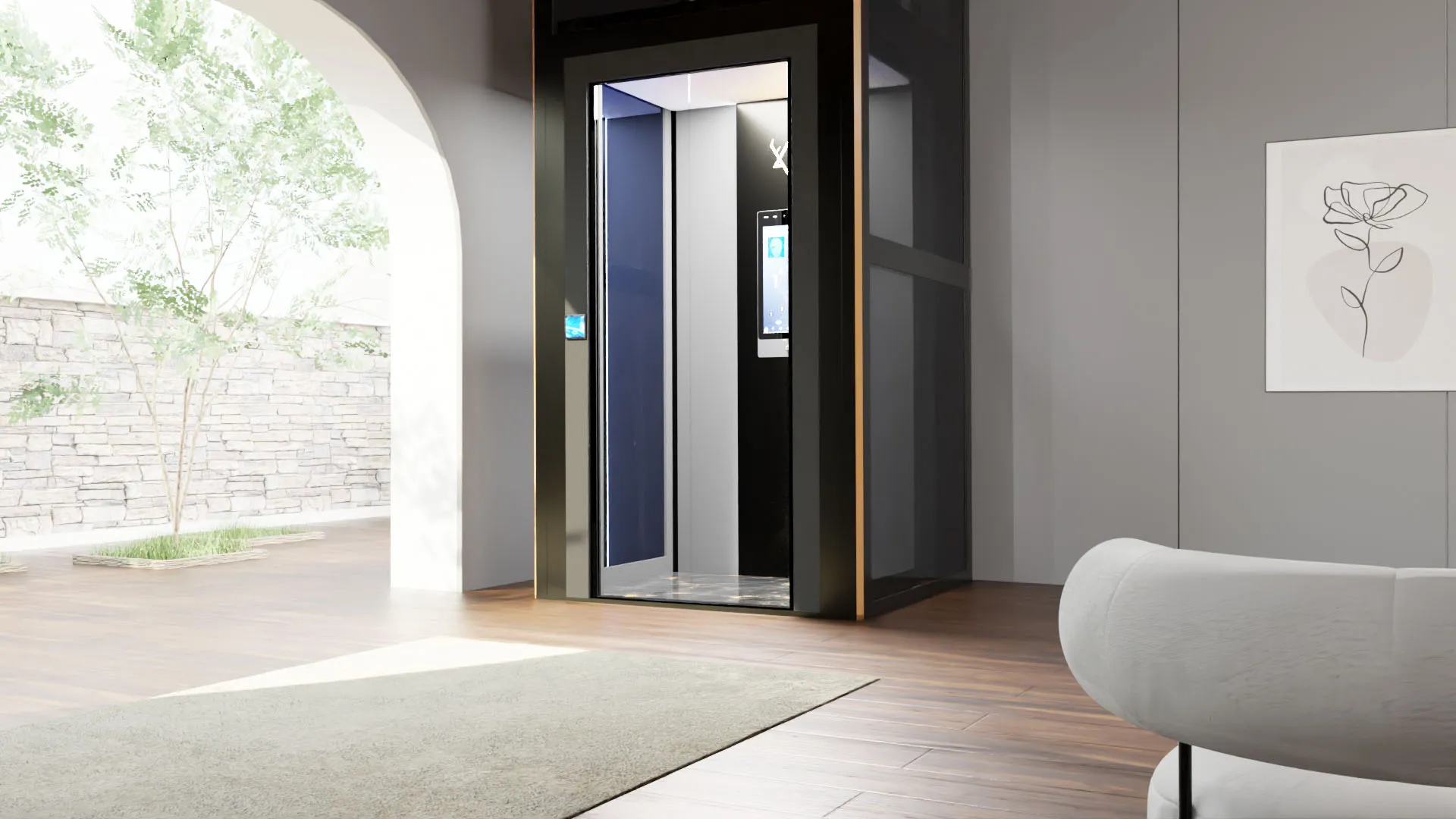
A smart home lift is a residential lift with electronic features added on top of the normal ride. These features change how you use the lift and how closely it is looked after. They do not change how it physically moves.
The features that matter most are:
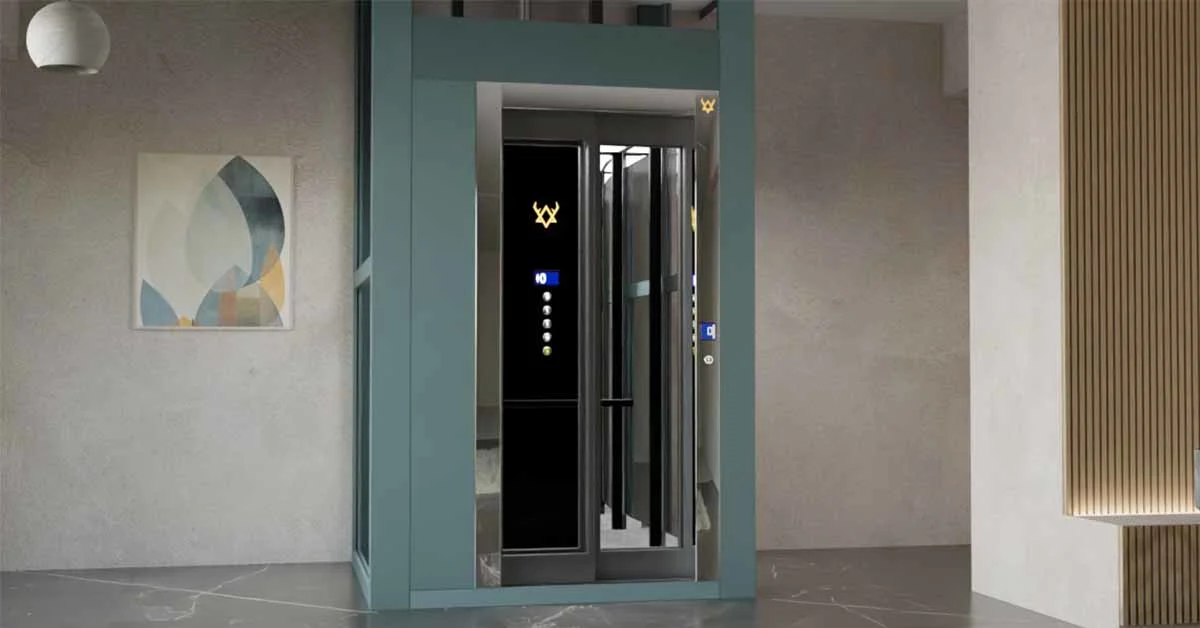
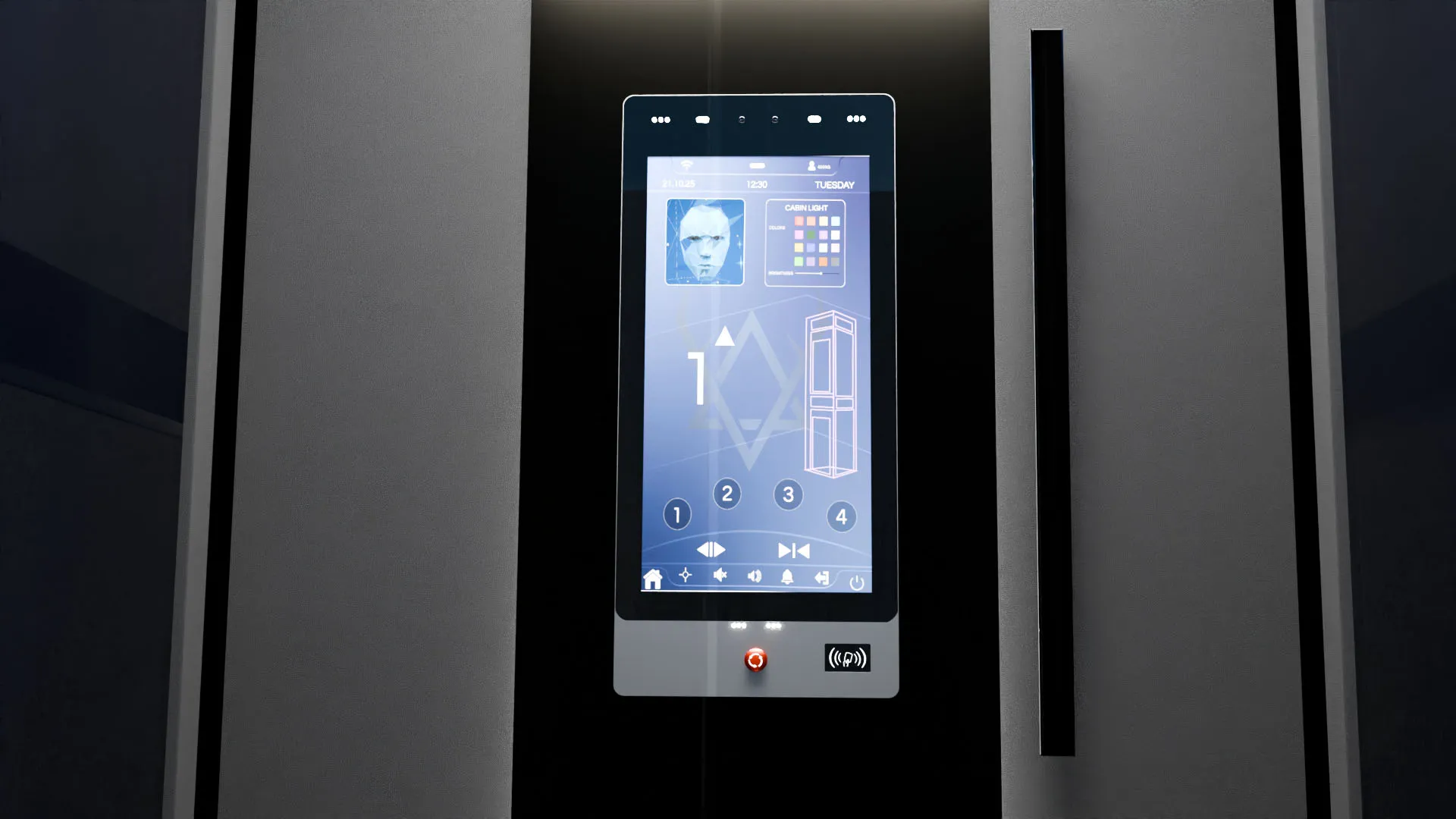
A large touch display: big, clear floor buttons in place of a row of small ones.
Face ID or biometrics: the lift can recognise who is using it.
Personalised controls: settings that can be adjusted to suit different family members.
Diagnostics: the lift monitors its own running, which helps catch a problem early.
Some smart elevators add extras on top, such as a phone app for calling or checking the lift, and display themes or widgets. These are optional and vary by brand.
Smart Features at a Glance
Not every feature on a smart home elevator is worth its price. This table gives a quick verdict on each one.
Feature | Worth Paying For? | Why |
Large touch display | ✅ Yes | You use it on every ride, so clarity pays off daily. |
Diagnostics | ✅ Yes | An early warning is worth more than a repair after a breakdown. |
Face ID, biometrics and personalised controls | ⚠️ Depends | Worth it if several people use the lift and will use the settings. Otherwise it is a nice extra. |
App or remote control | ⚠️ Depends | Convenient, but a bonus rather than a core feature. |
Display themes and widgets | ❌ Skip | They change how the screen looks, not how the lift works. |
How Smart Features Change Everyday Living
The value of a smart elevator for home use shows up in small moments, not in the technology itself.
Independence for older family members
A parent or grandparent who once waited for help on the stairs can move between floors alone. When the lift is simple to operate, there is less reason to hesitate before using it.
Less effort in busy routines
School mornings, grocery runs and laundry days all involve carrying something between floors. When the lift responds without fuss, those trips stop being a chore.
One lift that suits everyone
Clear controls mean a child, a grandparent and a visiting friend can all use the lift without instructions. Nobody needs a lesson, and nobody is left out.
Do Smart Lifts Work During Power Cuts and Internet Drops?
Power cuts
When the power goes out, a home lift stops running normally, smart or not. What matters then is the rescue system, a battery-backed device that moves the cabin to the nearest floor so everyone can step out safely. The Elevator has a dual-battery version, where a second battery backs up the first.
Internet drops
In a well-designed lift, the ride never depends on your broadband, because the lift’s own controller moves the cabin. Only features that rely on a connection, such as a phone app, pause until it returns.
What this means for you
Treat the smart layer as a convenience, not a requirement. If it goes quiet, the lift should still do its basic job.
What to Check Before You Buy
A smart feature is only worth having if someone can keep it working. Before you shortlist any of the smart residential lifts on offer, put these four questions to the company.
Who looks after the software?
Ask who maintains it, how fixes and updates are delivered, and whom you call when a feature misbehaves. A feature nobody can fix is worse than not having it.
What happens to biometric data?
Face ID and biometric data are personal. Ask where it is stored, who can access it, and how it is deleted if you sell the home.
What costs extra, now or later?
Ask whether the smart features are in the quoted price or priced as add-ons and whether updates, remote services or app subscriptions carry a recurring fee.
Can you see it working?
Ask for a live demonstration or a visit to a working installation, not just photos or a brochure video. If you can, let the person who will use the lift most try it.
What Smart Features Do Not Change
Smart features sit on top of the lift. They don’t replace what the lift is built from, so judge these three things separately.
Safety
A screen does not make a lift safer. Safety comes from the mechanical and electrical systems underneath, such as the brakes, door sensors and overload protection. Check those on their own terms.
Ride and build quality
How smoothly and quietly the lift runs depends on its drive system and construction, not on its display. A smart lift with a rough ride is still a rough ride.
Certification
Ask for independent certification, such as TÜV SÜD, and check that it covers the exact model you are buying, including its control system. A claim about the brand in general is not enough.
Smart Options at Stag Elevators
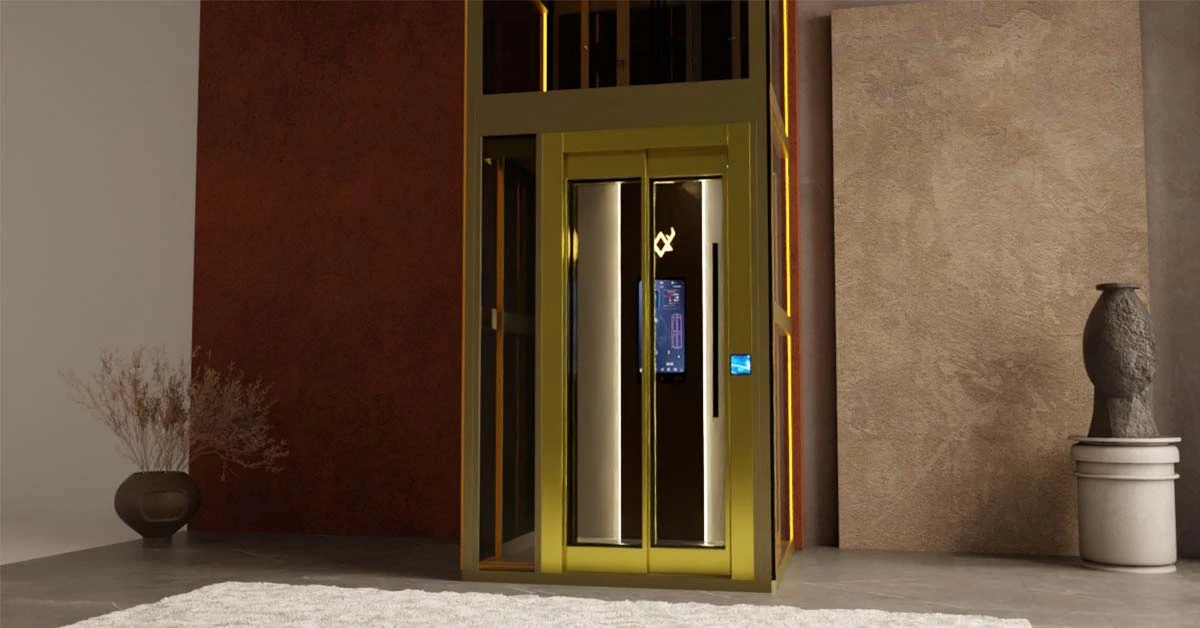
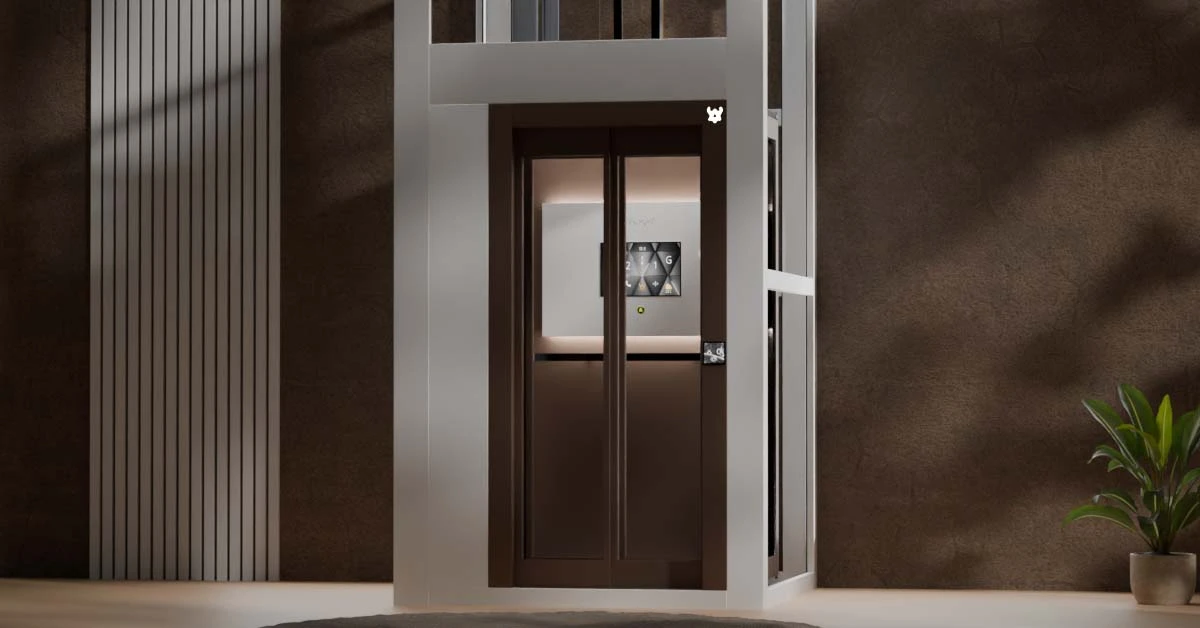
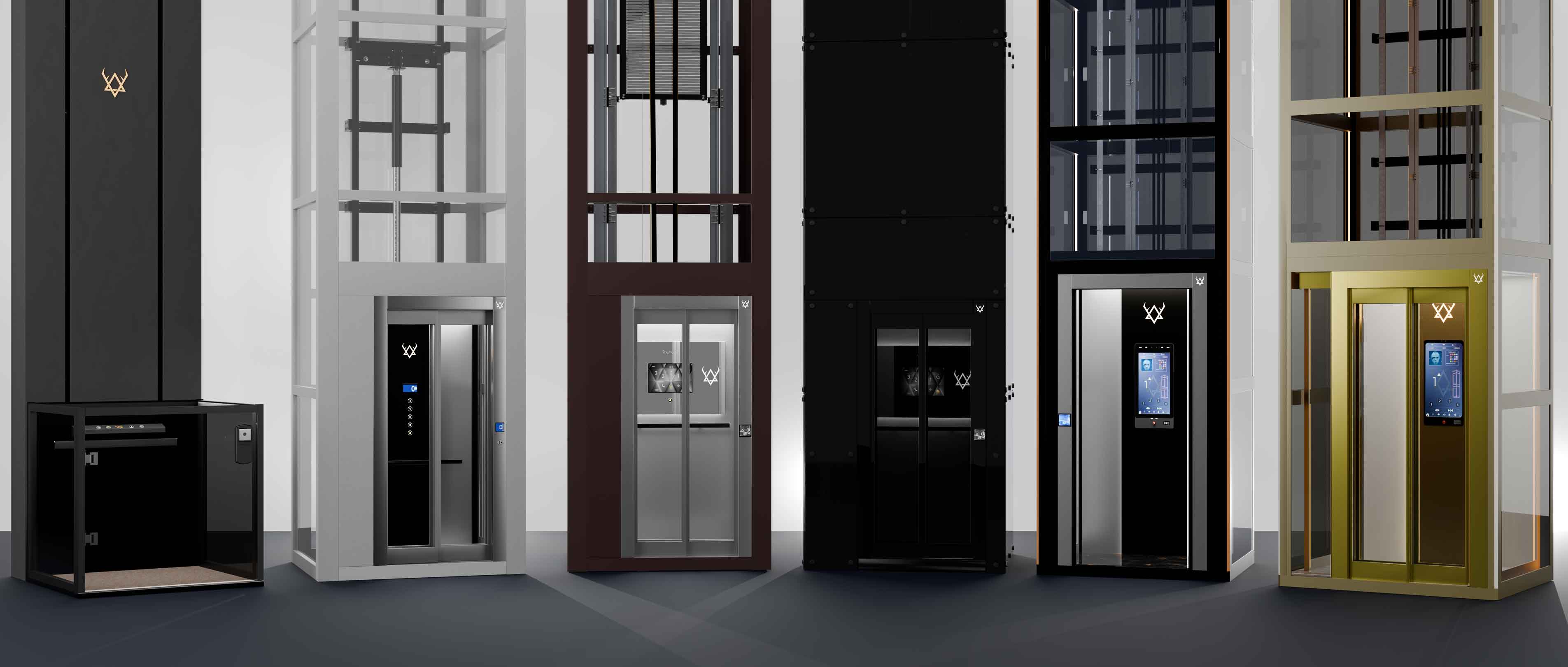
For homeowners looking at smart home lifts, Stag Elevators’ SE-3 Ultra is the model to look at. It has an AI-integrated touch control built around a 21-inch LED display, and it includes the face ID, biometrics, diagnostics and personalised controls described above.
The SE-3 Ultra is listed as EN 81-41 and TÜV SÜD-certified, and it is designed around your home’s available space and requirements.
If your main need is accessibility rather than smart features, platform lifts, hydraulic lifts & gearless elevators are also worth discussing with the Stag team.
Final Thoughts
Smart home lifts are worth considering when the features solve a real problem in your home. A clear touch display and diagnostics help almost every household, while biometrics and personal settings matter more when several people share the lift. A screen does not make a lift safer or smoother, so judge the build quality, certification and servicing separately. Before you buy, ask who supports the software, how your data is handled, and what costs extra. Choose the features you will use every day, and skip the rest.
Frequently Asked Questions
1. Do smart home lifts need more space than a normal lift?
No. Smart features are mostly display and control electronics, so they add little or nothing to the shaft size. The shaft is decided mainly by the cabin size and the lift model, not by how smart the lift is. A site visit confirms the exact space your home needs.
2. Can I add smart features to an existing home lift?
Sometimes, but it depends on the lift. A newer touch display or access control may be possible if the lift’s control system supports it. Other features, such as built-in diagnostics, may need the control system itself to be upgraded. Ask the lift’s manufacturer or service provider to check compatibility before you pay for anything.
3. Do smart home lifts use more electricity?
Only slightly. The motor uses most of a lift’s power, while the display and sensors draw very little. Ask the company for the lift’s power rating so you can compare models.
4. What is the price of a smart home lift in India?
A smart home lift costs more than a standard one, because the smart features come on top of the base lift. Home elevators in India generally range from ₹15.5 lakhs to ₹50+ lakhs depending on type, floors, finish and civil work, and the smart features are priced by the company. See our guide to home elevator price in India for the base range.
5. Can guests use a lift that has face ID?
In most setups, yes. Face ID is an extra way to use the lift, and visitors can normally use the touch display or floor buttons. If Face ID doesn’t recognise someone, the display should work as the fallback. Ask the company to show you how a guest would use the lift.
6. Can a smart home lift be hacked?
Any device with software or a network connection carries some risk. The risk sits mostly in connected extras such as phone apps. Ask whether the lift’s control system is kept separate from your home Wi-Fi, how security updates are delivered, and how long the company supports the software.
7. Does a smart home lift add to my home’s resale value?
A well-installed home lift can add to a home’s appeal, but smart features alone rarely change the value much. Buyers care most that the lift is reliable, certified and regularly serviced, so keep the certification papers and service records.
8. How long does it take to install a smart home lift?
Installation is largely the same as for a standard lift. Smart features add a setup stage: configuring the display, enrolling users for face ID or fingerprints, and testing the diagnostics. The total time depends on the lift model, shaft readiness and site conditions, so ask for a written schedule.
Author Bio

Vinoth Kannan
Vinoth Kannan is the CTO and Co-Founder of Stag Elevators, bringing years of technical expertise in designing safe and reliable home elevator systems. He leads the engineering, product innovation, and TÜV SÜD-certified quality processes that power Stag’s European-standard home lifts. His work ensures homeowners receive trusted, high-performance elevator solutions built for the future.
Ready to Install a Home Elevator in Your Home?
Get a personalized quote and expert guidance from Stag Elevators.