Home Lifts in Bangalore: Types, Prices, Benefits & Installation Guide
In This Guide
Key Takeaways
- Home lifts in Bangalore
Introduction
Bangalore’s homes are growing taller. What were once simple ground-plus-one houses are now G+2 and G+3 villas across areas such as Whitefield, Sarjapur Road, Electronic City, HSR Layout, JP Nagar, and Jayanagar. As families look for greater convenience, safety, and future-ready living, the demand for home lifts in Bangalore has increased significantly.
Whether you’re building a new villa, renovating an existing home, or looking for a safer mobility solution for elderly family members, installing a home elevator can make everyday life easier and more comfortable.
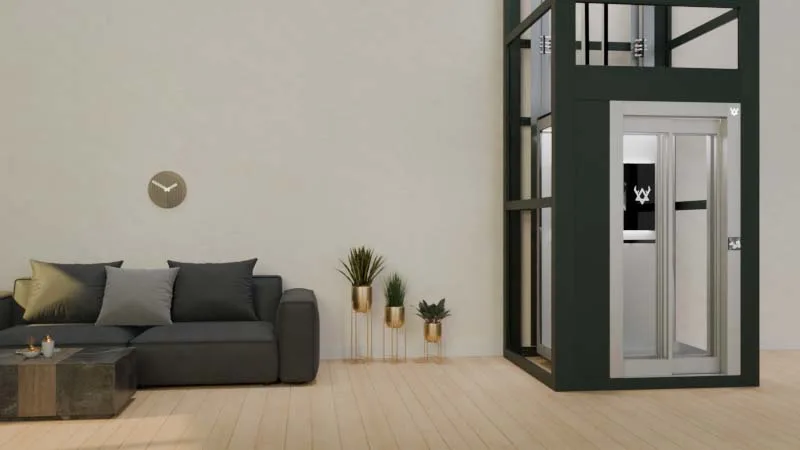
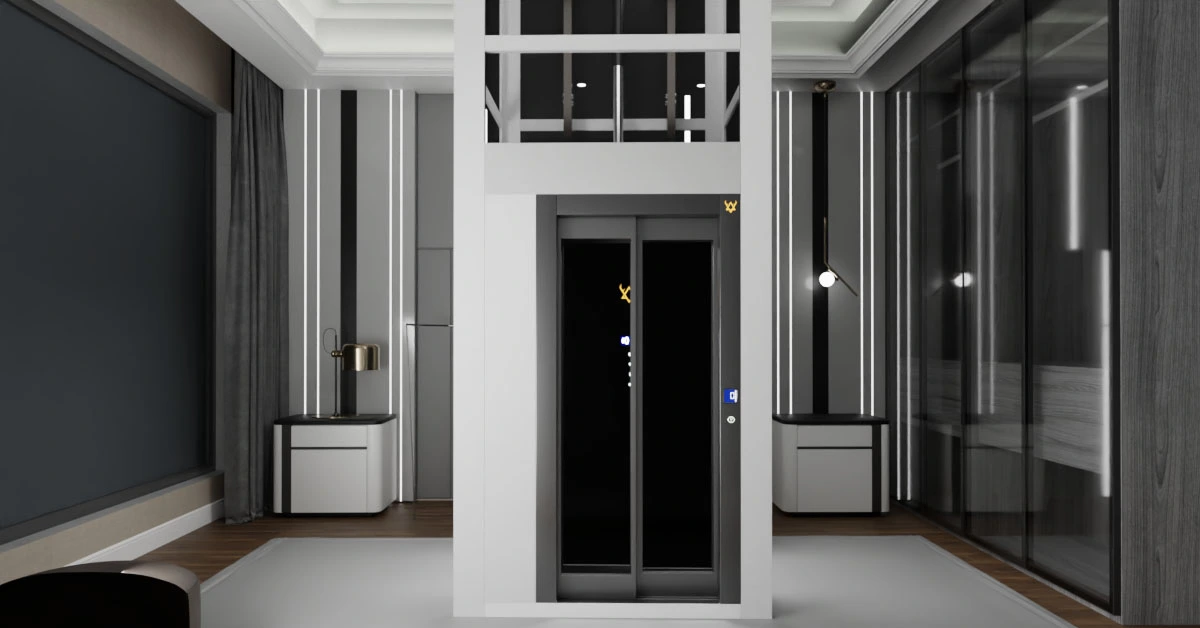
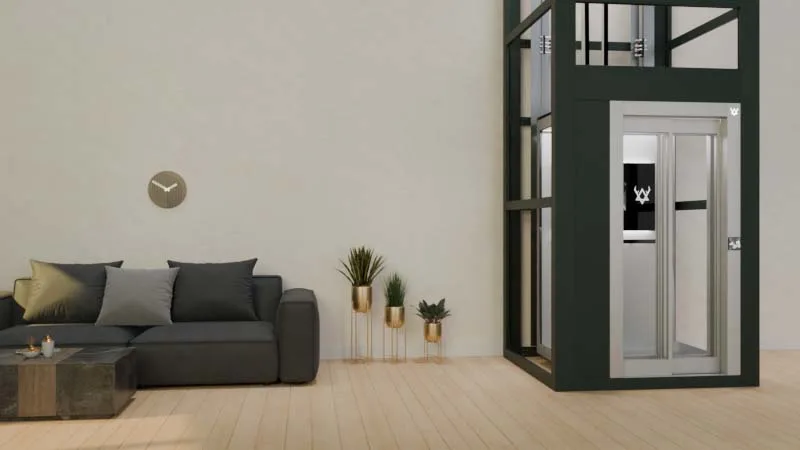
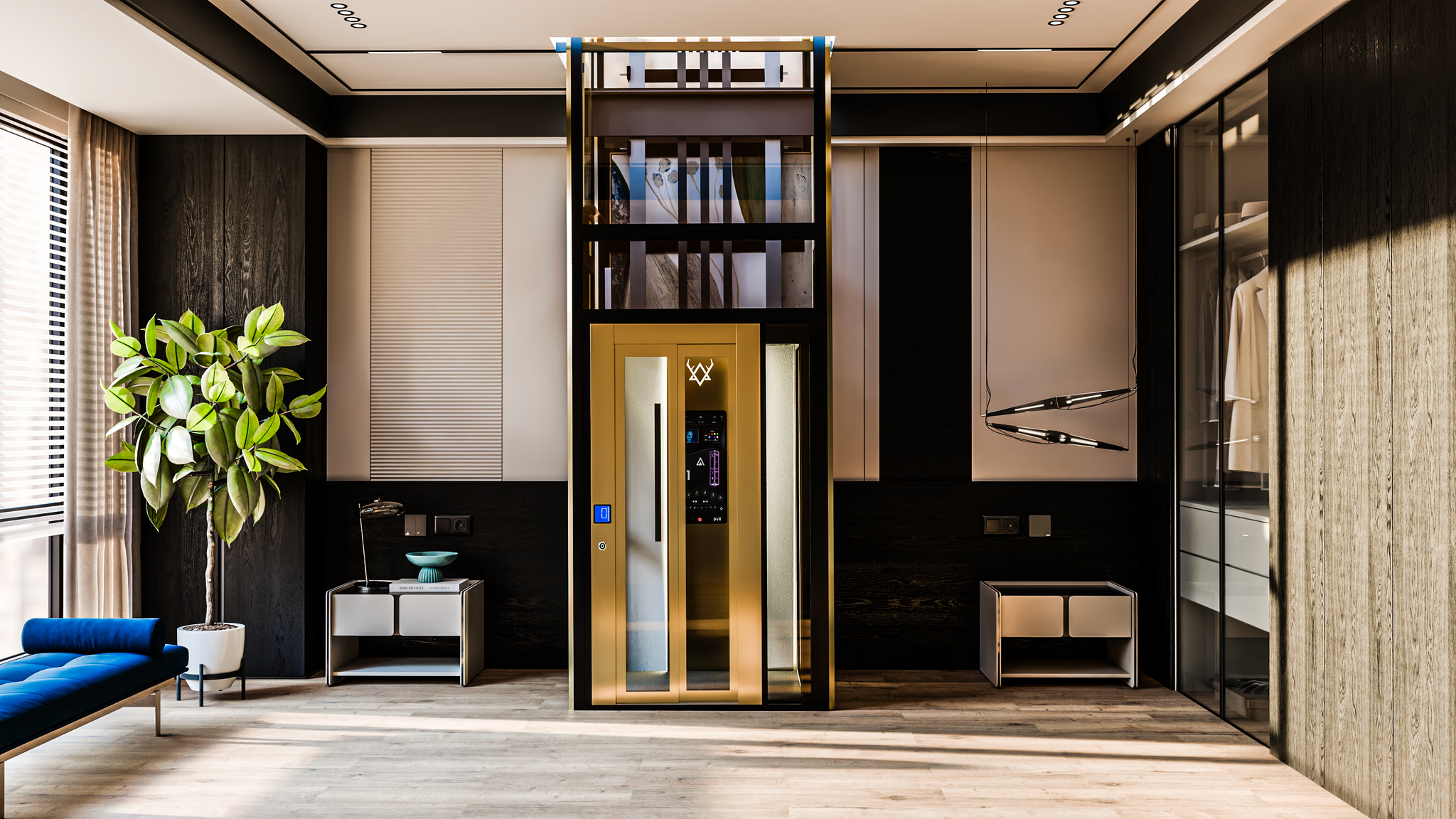
A home lift, also known as a home elevator, residential lift, residential elevator, domestic lift, domestic elevator, or villa elevator, is a compact lift system designed specifically for residential properties. Unlike commercial elevators used in offices and malls, home lifts are quieter, more space-efficient, and aesthetically designed to complement modern home interiors.
Today, home lifts are no longer viewed as a luxury feature. They have become a practical investment that enhances comfort, accessibility, safety, and property value for homeowners across Bangalore.
Why Home Lifts Are Becoming Popular in Bangalore
Several factors are driving the adoption of residential elevators across Bangalore:
Growth of multi-story villas and duplex homes
Aging parents requiring easier floor-to-floor access
Increased focus on luxury and smart home living
Rising demand for future-proof homes
Improved accessibility for differently-abled family members
Enhanced property value and resale appeal
As Bangalore continues to expand vertically, home lifts are becoming a practical necessity rather than a luxury.
Types of Home Lifts in Bangalore
Choosing the right home lift starts with understanding the technologies available. Each type offers different benefits in terms of safety, maintenance, ride quality, and energy efficiency.
1. Gearless (Traction) Home Elevators
Gearless traction elevators use a motor that drives ropes or belts connected to the lift cabin and a counterweight. The counterweight balances the cabin’s weight, allowing smooth and energy-efficient movement.
Because there is no gearbox, there is less wear and tear on components, resulting in lower maintenance requirements and a longer operational life.
Advantages
Smooth and quiet ride
High energy efficiency
Long lifespan
Minimal maintenance
Battery backup compatibility
Excellent safety standards
Traction elevators are widely regarded as the best home lift technology available today.
2. Hydraulic Home Elevators
Hydraulic home elevators use a pump to push hydraulic oil into a cylinder, raising the lift cabin through piston movement. To descend, the system gradually releases hydraulic pressure.
These elevators are known for their strength, reliability, and ability to handle heavier loads.
Advantages
Strong lifting capability
Smooth operation
Reliable performance
Comfortable ride quality
Considerations
Periodic oil inspections are required
Slightly higher maintenance compared to traction elevators
3. Screw-Driven Elevators
Screw-driven elevators use a rotating lead screw mechanism. The lift cabin moves along the screw threads as the motor rotates.
While functional, this technology relies heavily on moving mechanical parts that experience constant friction.
Advantages
Compact installation
No need for counterweights
Considerations
Higher maintenance requirements
More moving components
Increased wear over time
4. Vacuum (Pneumatic) Elevators
Vacuum elevators use air pressure differences to move the cabin vertically inside a transparent cylindrical shaft.
These lifts are visually appealing and often chosen for modern architectural designs.
Advantages
Unique aesthetic appeal
Compact footprint
Considerations
Dependent on airtight seals
Pressure-sensitive operation
Limited load capacity
A greater concern regarding long-term reliability
Home Lift Technology Comparison
To help homeowners compare the different technologies available, the table below highlights the key differences between traction, hydraulic, screw-driven, and vacuum home elevators.
Parameter | Gearless (Traction) | Hydraulic | Screw Driven | Vacuum |
|---|---|---|---|---|
Overall Rating | ★★★★★ | ★★★★☆ | ★★★☆☆ | ★★★☆☆ |
AMC Requirement | None | Very Low | High | Moderate |
Safety | Very High | High | Moderate | Moderate |
Energy Efficiency | High | High | Moderate | Low |
Noise Level | Very Low | Low | Moderate | Moderate |
Ride Comfort | Excellent | Excellent | Average | Good |
Battery Backup | Excellent | Good | Moderate | Limited |
Benefits of Home Lifts
As more homeowners in Bangalore choose multi-story villas and duplex homes, home lifts are becoming a practical addition that offers benefits beyond simple convenience. They improve accessibility, enhance safety, and add long-term value to a property.
Easy mobility for elderly and differently-abled family members
Convenient movement between floors for the entire family
Safer alternative to climbing stairs daily
Increased property value and resale appeal
Compact design suitable for modern homes
Enhanced aesthetics and luxury appeal
Smooth, quiet, and comfortable ride experience
Reliable operation during power cuts with ARD backup
Future-proof solution for aging-in-place
Reduced physical strain when carrying groceries, luggage, or household items
A well-designed home lift is no longer considered a luxury feature. For many Bangalore homeowners, it has become a smart investment that improves comfort, accessibility, safety, and overall quality of life while adding lasting value to the home.
How to Choose the Right Home Lift
Choosing the right home lift involves more than comparing prices. Factors such as available space, safety standards, usage requirements, and long-term maintenance all play an important role in determining which elevator is best suited for your home.
Available space and floor plan
Number of floors the lift needs to serve
Budget and long-term ownership costs
Daily usage requirements and family size
Safety features and international certifications
Lift technology (Traction, Hydraulic, Screw Driven, or Vacuum)
Power backup and emergency rescue systems
Ride comfort, noise levels, and speed
Interior design and customization preferences
After-sales service and maintenance support
By evaluating these factors before making a decision, homeowners can select a home lift that delivers the right balance of safety, comfort, reliability, and value for years to come.
Home Lift Price in Bangalore
The price of a home lift in Bangalore depends on factors such as the number of floors, travel height, lift technology, safety features, and customization requirements. Generally, home elevators can be categorized into three segments:
Premium Home Elevators
Price Range: ₹15 Lakhs – ₹50 Lakhs+
Premium home lifts come with international certifications, advanced safety features, superior build quality, and lower maintenance requirements, making them ideal for long-term family use.
Commercial (Mid-Range) Elevators
Price Range: ₹12 Lakhs – ₹30 Lakhs
These elevators offer standard functionality and local certifications. While more affordable than premium options, they typically require higher maintenance and offer fewer customization options.
Local Elevators
Price Range: ₹8 Lakhs – ₹20 Lakhs
Local elevators are the most budget-friendly option but often come with limited safety features, lower build quality, and higher long-term maintenance requirements.
While price is an important factor, homeowners should also evaluate safety, certifications, maintenance requirements, and long-term reliability before making a decision.
Note: Prices are indicative and may vary based on the number of floors, customization, and site requirements.
Home Lift Price Comparison
Compare different types of home lifts based on price, safety, build quality, maintenance, and certifications to choose the right solution for your home and budget.
Parameter | Premium | Commercial | Local |
|---|---|---|---|
Price Range | ₹15–50 Lakhs+ | ₹12–30 Lakhs | ₹8–20 Lakhs |
Certification | International | Local | Limited/None |
Safety | High | Moderate | Low |
Maintenance | Low | High | High |
Build Quality | Premium | Average | Basic |
Recommended For | Long-Term Use | Budget Buyers | Lowest Budget |
Note: Prices are indicative and may vary depending on customization, site conditions, travel height, and installation requirements.
Safety & Certifications in Home Elevators
Safety is one of the most important factors to consider when installing a home lift, and certification plays a major role in ensuring that safety.
A company holding TUV SUD certification and complying with EN81-41, EN81-50, and EN81-20 standards follows some of the highest European safety benchmarks in the elevator industry. These certifications indicate that the lift has been designed, manufactured, and tested to meet strict quality and safety requirements.
In addition to certifications, a reliable home elevator should include essential safety features such as:
Automatic Rescue Device (ARD) for power cuts
Emergency alarm and intercom system
Door interlocks and safety sensors
Emergency stop button
Overload protection sensors
Speed governor
Choosing a home lift backed by internationally recognized certifications and advanced safety mechanisms ensures long-term reliability, safety, and peace of mind for your family.
Space & Installation Process
One of the most common concerns homeowners have before installing a home lift is space. The good news is that modern home elevators require far less space than most people expect. At Stag Elevators, home lifts can be customized to suit the available space within your home, whether it’s a compact villa or a larger residence.
A small home lift can fit into a space as compact as 3.5 ft x 3.5 ft, while larger configurations can extend up to 6.5 ft x 6.5 ft, depending on capacity and comfort requirements. Unlike commercial elevators that come with fixed dimensions, home lifts are designed around your home’s layout rather than requiring your home to be modified around the lift.
The installation process typically involves:
Site visit, measurements, and design approval
Manufacturing and transportation of the lift
On-site installation, testing, and handover
From initial consultation to final handover, the entire process generally takes 3–4 months, while the actual installation at the site is usually completed within 20–30 working days.
Why Choose Stag Elevators for Your Home Lift?
With numerous home lift providers in Bangalore, selecting the right company can be challenging. Beyond pricing, homeowners should consider factors such as safety certifications, technology, customization capabilities, installation expertise, and after-sales support.
What sets Stag Elevators apart is its commitment to safety, quality, and customer satisfaction.
✔ No pit, no headroom, and no machine room required on selected models
✔ 0 AMC on selected home lift models
✔ Customized solutions designed to suit your available space
✔ TUV SUD certified for both product quality and processes
✔ Compliance with EN81 safety standards
✔ Italian design and premium-quality components
✔ Operates on single-phase power
✔ 194–218 built-in safety checkpoints
✔ Advanced traction and hydraulic elevator technologies
✔ Pan-India installation and after-sales service support
✔ Dedicated in-house teams for design, installation, and maintenance
From consultation and design to installation and long-term service, Stag Elevators combines international safety standards with local expertise, making it a trusted choice for homeowners across Bangalore and India.
Contact Us — Best Home Lift Providers in Bangalore
Thinking about installing a home lift for your villa, duplex, or independent house? Contact Stag Elevators for a free consultation and expert guidance.
India: +91-9900111082
Email: info@stagelevators.com
Conclusion
Choosing the right home lift in Bangalore involves more than comparing prices. Safety certifications, technology, maintenance requirements, customization options, and after-sales support all play a crucial role in long-term satisfaction.
Whether you’re building a new villa in Whitefield, upgrading a duplex in Sarjapur Road, or planning a future-ready home anywhere in Bangalore, investing in a certified residential elevator can significantly improve convenience, accessibility, and property value.
For homeowners seeking internationally certified, fully customized, safety-first home elevators, Stag Elevators offers solutions designed to deliver comfort, reliability, and peace of mind for years to come.
Frequently Asked Questions
1. What is the average cost of a home lift in Bangalore?
The cost of a home lift in Bangalore typically ranges from ₹8 lakhs to ₹50 lakhs or more, depending on the type of elevator, number of floors, safety features, certifications, and customization requirements. Premium home lifts generally start from ₹15 lakhs onwards and offer better safety, quality, and long-term reliability.
2. Which brand is best for home lifts?
The best home lift brand depends on factors such as safety certifications, technology, customization options, and after-sales support. Homeowners should look for providers with internationally recognized certifications, such as TUV SUD, and compliance with EN81 safety standards to ensure long-term safety and reliability.
3. What is the minimum size required for a small home lift?
A compact home lift can be installed in a space as small as 3.5 ft x 3.5 ft, making it suitable for homes with limited space. Larger lift configurations may require more space depending on the cabin size and passenger capacity.
4. Are home lifts safe for daily use?
Yes. Home lifts that comply with recognized home elevator safety standards and certifications are designed for safe daily operation. Features such as Automatic Rescue Devices (ARD), emergency alarms, door sensors, overload protection systems, and emergency communication features help ensure passenger safety at all times.
5. What safety features should a good home elevator have?
A reliable home elevator should include an Automatic Rescue Device (ARD), emergency alarm and intercom system, door interlocks, safety sensors, emergency stop button, overload protection, and a speed governor. These features help provide safe and worry-free operation for all family members.
6. What certification should I look for in a home lift?
Homeowners should look for TUV SUD certification and compliance with EN81-41, EN81-50, and EN81-20 standards. These certifications indicate that the elevator meets internationally recognized safety and quality requirements.
7. Why should I choose Stag Elevators for my home?
Stag Elevators offers TUV SUD Certified Home Lifts with advanced safety features, Italian components, and customized solutions for different home layouts. With pan-India installation and service support, the company focuses on delivering safe, reliable, and low-maintenance home elevator solutions.
8. What is the best type of home lift for a villa?
Gearless traction elevators are widely considered the best option for villas due to their smooth ride quality, energy efficiency, low maintenance requirements, and advanced safety features. They are suitable for homeowners seeking long-term performance and reliability.
Ready to Install a Home Elevator in Your Home?
Get a personalized quote and expert guidance from Stag Elevators.