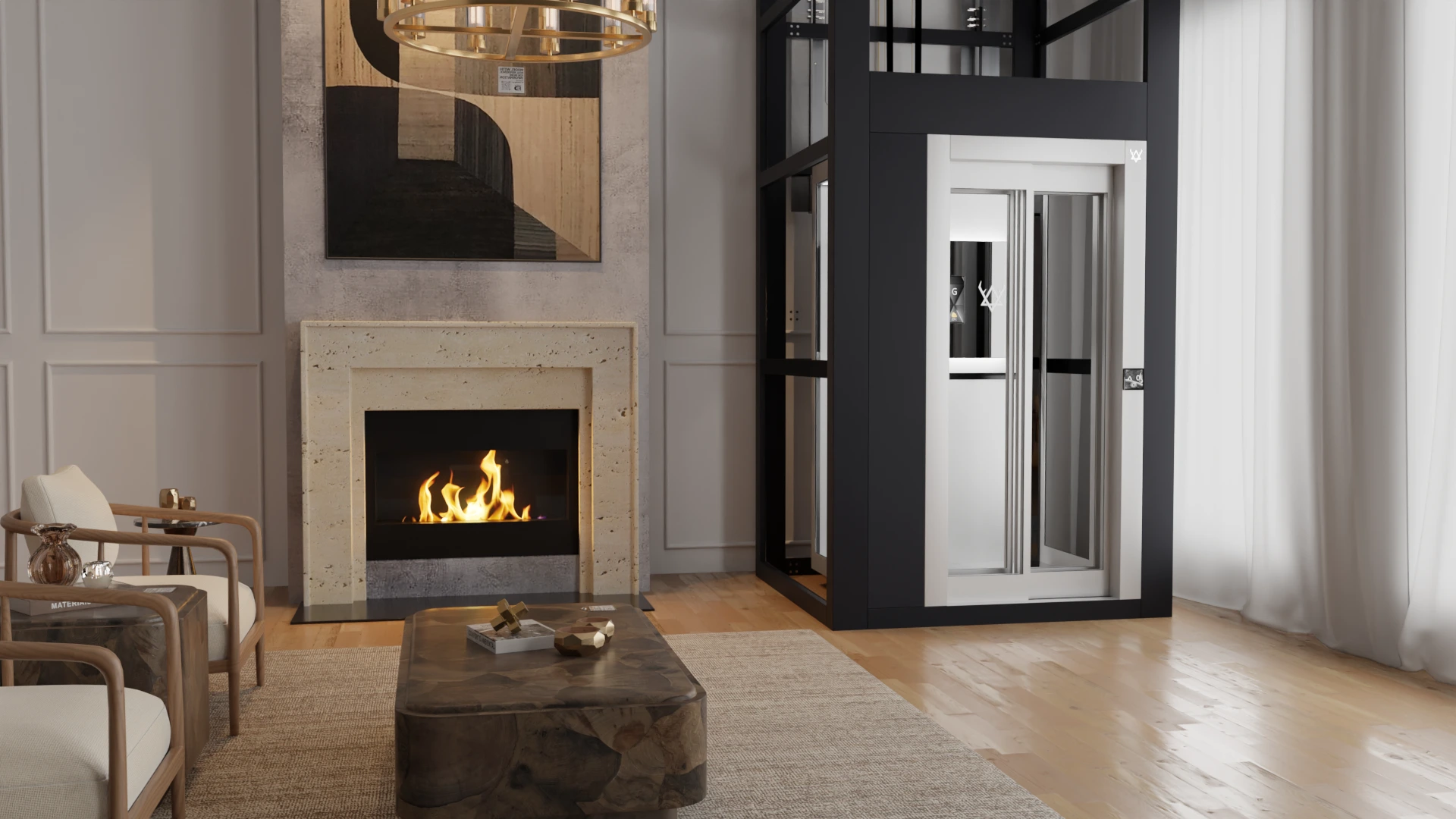
Mini Lift for Home in India: What Fits, What It Really Costs & How Long It Takes
In This Guide
Key Takeaways
- ✓ A mini lift is a full home lift in a smaller size. It is a compact elevator for one family’s home, built and certified like a regular home lift, with only the size reduced.
- ✓ It needs very little space. The shaft (the vertical space the lift travels in) starts at 3 ft × 3 ft, and no pit, extra headroom or machine room is needed.
- ✓ The price depends on more than size. The number of floors, the technology, the finish and the site conditions decide the final cost, so a quote after a site visit is the only reliable figure.
- ✓ Choose the type to match your home. Hydraulic suits homes up to ground plus three floors (G+3) and heavy loads, while gearless is quieter and suits more floors.
- ✓ It can be added to an existing house. A site visit confirms the fit, and the whole process takes about 6 to 10 weeks, mostly because the lift is made to your measurements.
Introduction
Most families picture a mini lift for home as a small, cheap add-on. It is neither. “Mini” describes the footprint, a lift that fits into a corner of the house where a full-size lift would not. It is built and tested like a full-size home lift, so it is priced like one.
Three questions decide most people’s choice of a mini lift: will it fit, what does it really cost, and how long does it take?
What Is a Mini Lift for Home?
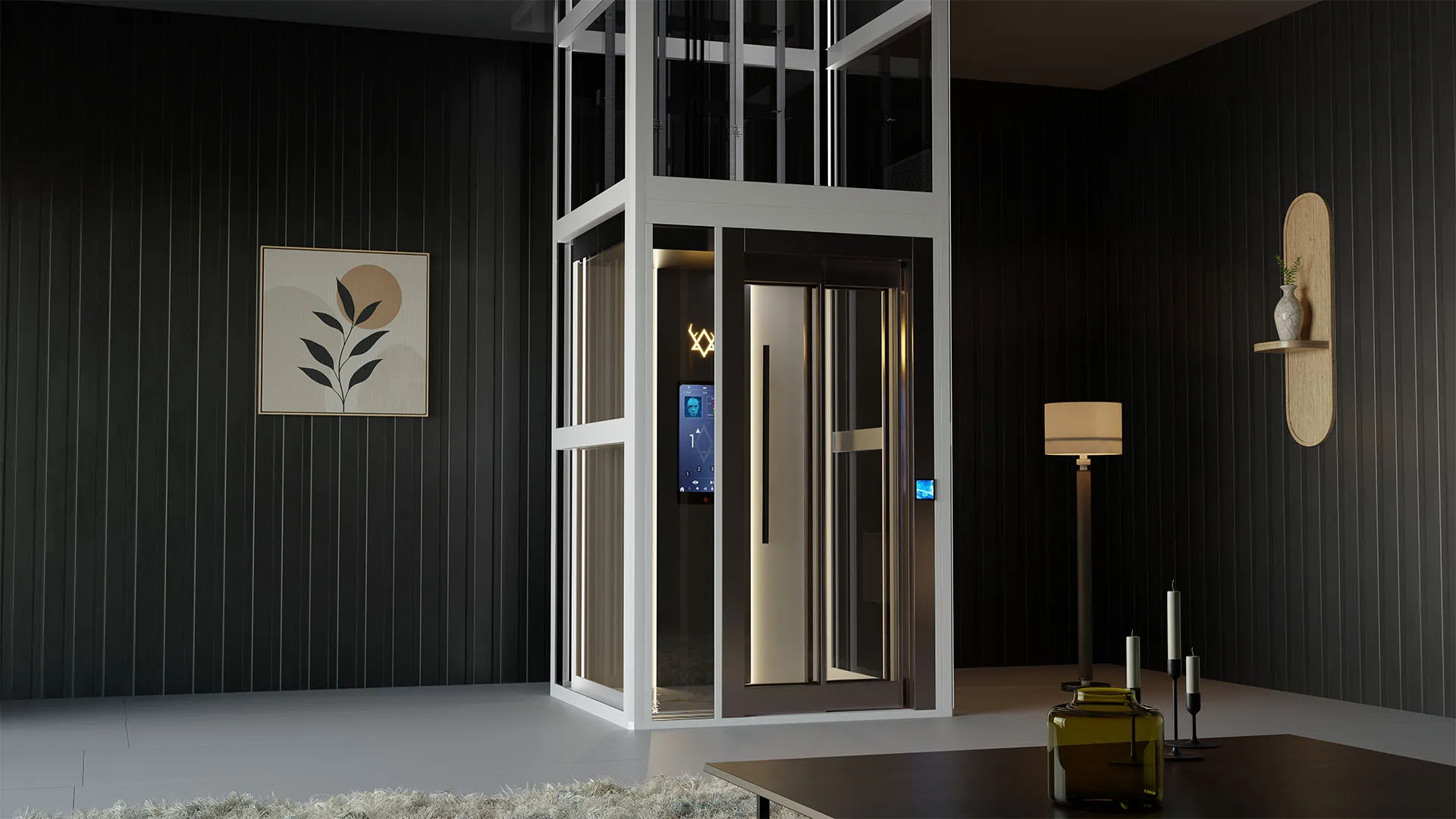
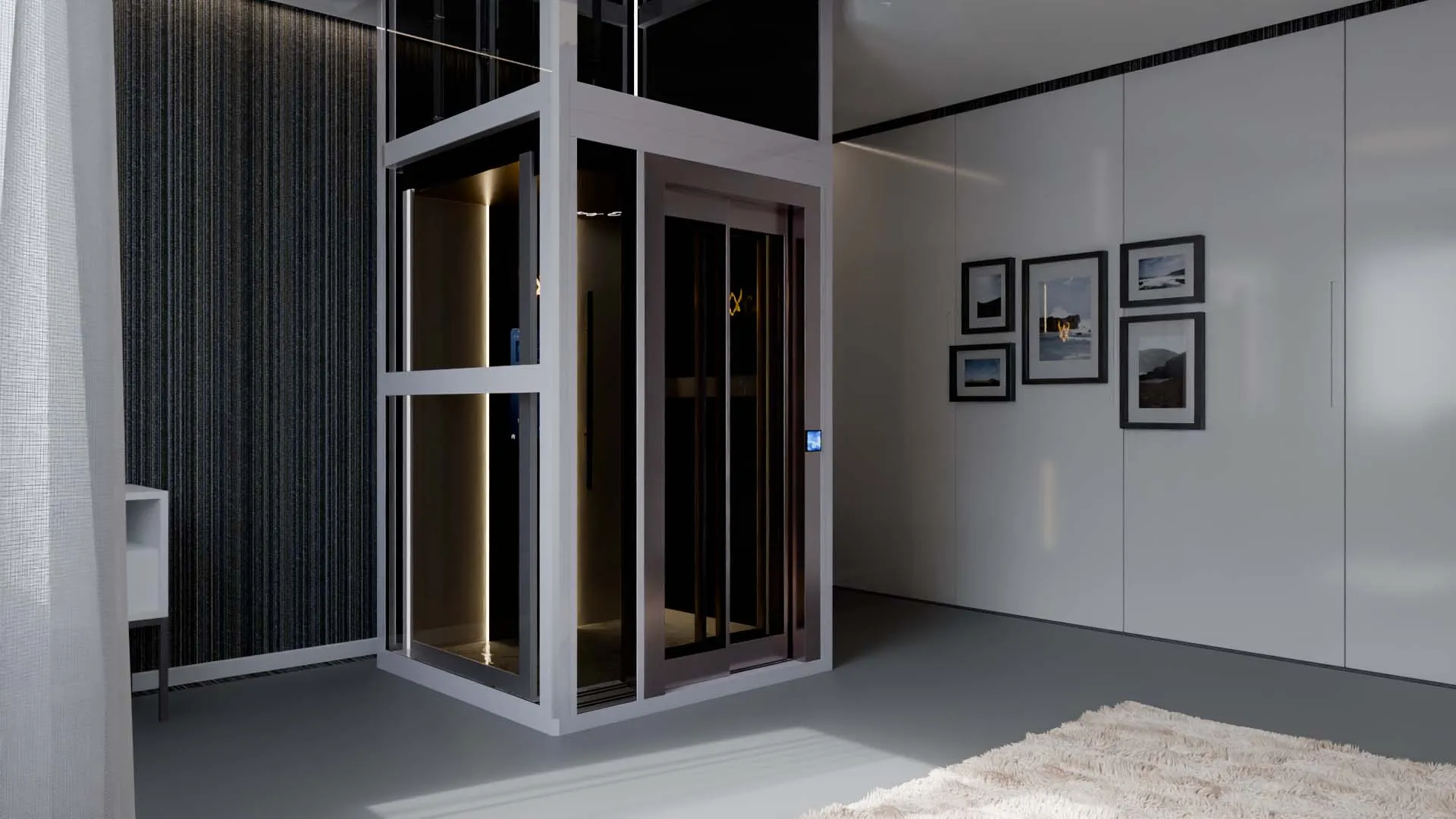
A mini lift is a compact residential elevator built for a single family’s home, with a smaller cabin and a drive designed to fit a tight space. The drive that moves the cabin between floors, known as the mini lift machine for home, is built compact enough to work within the lift’s own shaft.
Mini refers to the size, not the safety standard. Stag’s compact models carry the same TÜV SÜD certification as the rest of its home lifts.
It suits independent houses, duplexes and villas where a full-size lift will not fit.
How Much Space Does a Mini Lift Need?
A mini lift needs a shaft from 3 ft × 3 ft up to 5.5 ft × 5.5 ft, and a larger cabin needs a larger shaft. It needs no pit, headroom or machine room, so the floor space you measure is almost all the space it takes.
Where homes usually find the space
A mini house lift most often fits beside the staircase, in a corner of the living area, or along an unused wall. The spot has to line up on every floor, because the shaft runs straight through the house.
What to measure before a site visit
• The length and width of the spot, on each floor
• The floor-to-ceiling height
• Anything in the way, such as a beam, a window or a stair landing
Door space matters too
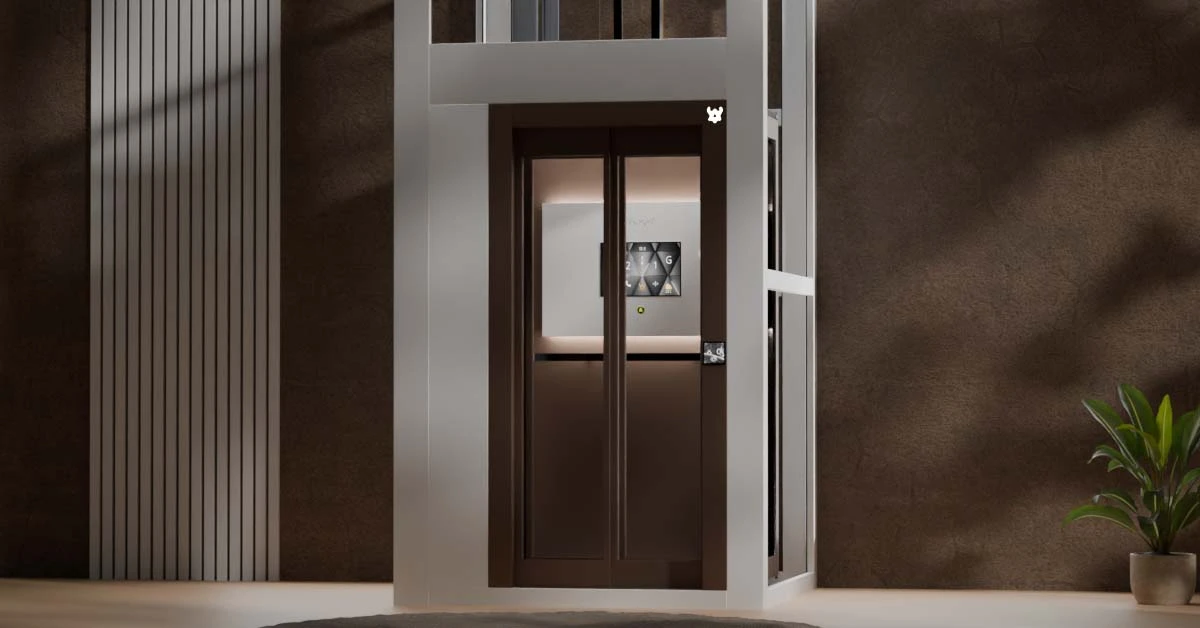
Automatic sliding doors need no swing clearance, so they suit narrow corridors where a swing door would block the way. If a wheelchair user will use the lift, plan for the larger end of the size range and confirm the door width on site.
A site visit confirms the exact fit for your home.
What Is the Small Lift for Home Price in India?
A mini lift costs ₹15.5 lakhs to ₹35 lakhs and above in India. Where a lift lands in that range depends on the number of floors, the technology, the finish and the site, not on cabin size alone.
What moves the price
• Floors: each extra floor adds travel height, a landing door and more safety components.
• Technology: hydraulic, gearless and ultra-gearless lifts sit at different price points.
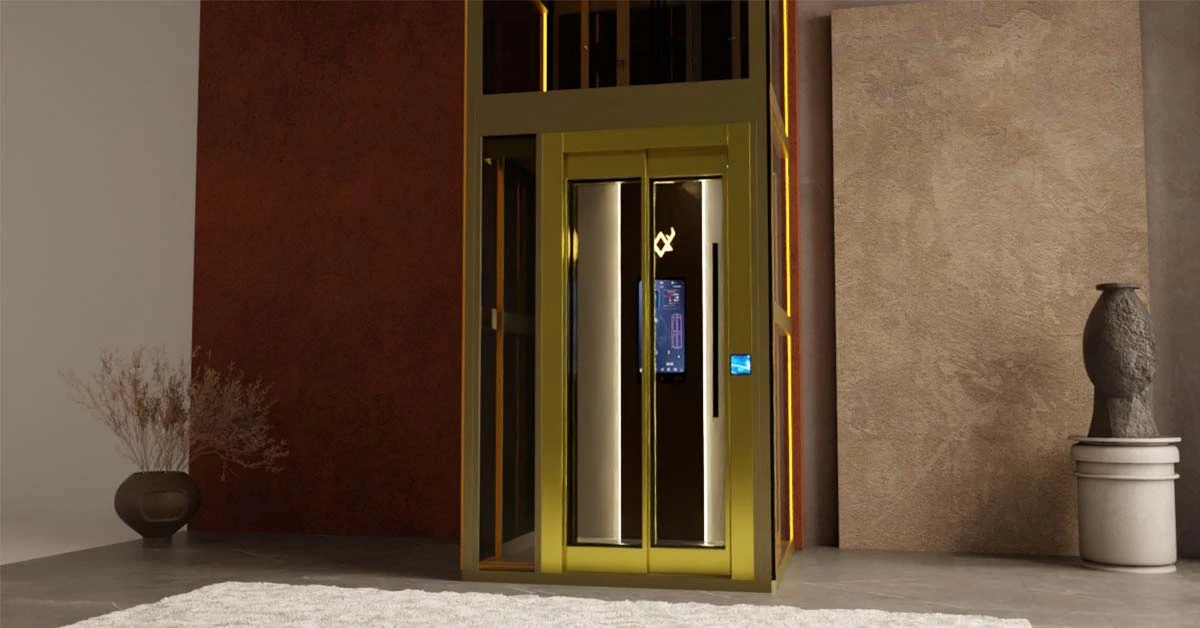
• Finish and doors: glass panels, designer interiors and automatic doors add to the cost.
• Civil work: shaft preparation is simpler in a new build than in an existing house.
• Site conditions: wall type, ceiling height and shaft position all affect the installation.
What a good quote shows
A clear quote lists what is included, such as site work, installation, testing and warranty, and says whether GST and transport are extra. Ask for it itemised, so two quotes can be compared like for like.
A compact cabin across three floors can cost more than a larger cabin across two, so compare quotes on the same number of floors.
Small Hydraulic Lift for Home: When It Is the Right Choice
A small hydraulic lift for home is the right choice when you want strong, steady performance in a home of up to G+3 floors, especially if the lift will carry heavier loads. It moves the cabin with a pump and piston system, which gives smooth, firm stops.
When Hydraulic Works Best
1. Your home has two to four stops, such as G+1 to G+3.
2. You often carry heavy loads, such as luggage, shopping or a wheelchair.
3. You want a lift that is forgiving to add into an existing house.
When Gearless Is the Better Fit
1. A near-silent ride matters most, for example when the shaft sits next to a bedroom. A gearless lift runs quieter.
2. Your home goes beyond G+3. A gearless lift is the better fit for more floors.
What to expect from upkeep
Hydraulic lifts need only periodic oil checks, so servicing is simple and predictable. Stag’s SE-2 is built for this kind of home.
How Long Does It Take to Install a Mini Home Lift?
A mini home lift usually takes about 6 to 10 weeks or more from order to handover. Most of that time goes into making the lift to your home’s measurements, and the installation on site is much shorter.
Where the time goes
• Site visit and design: measurements are taken, and the cabin, finish and doors are confirmed.
• Manufacturing: the lift is built to your measurements, usually 4 to 8 weeks.
• Shaft readiness: the shaft needs to be ready before installation, and this can run alongside manufacturing.
• Installation and testing: the lift is fitted, then safety checks are done before handover.
What can slow it down
Changes to the finish after ordering, a shaft that is not ready on time, or a site that is hard to access can add days or weeks. Deciding the finish and door type early keeps the schedule short.
Ask for the timeline in writing, with the handover date, before you confirm the order.
Can a Mini Lift Be Installed in an Existing House?
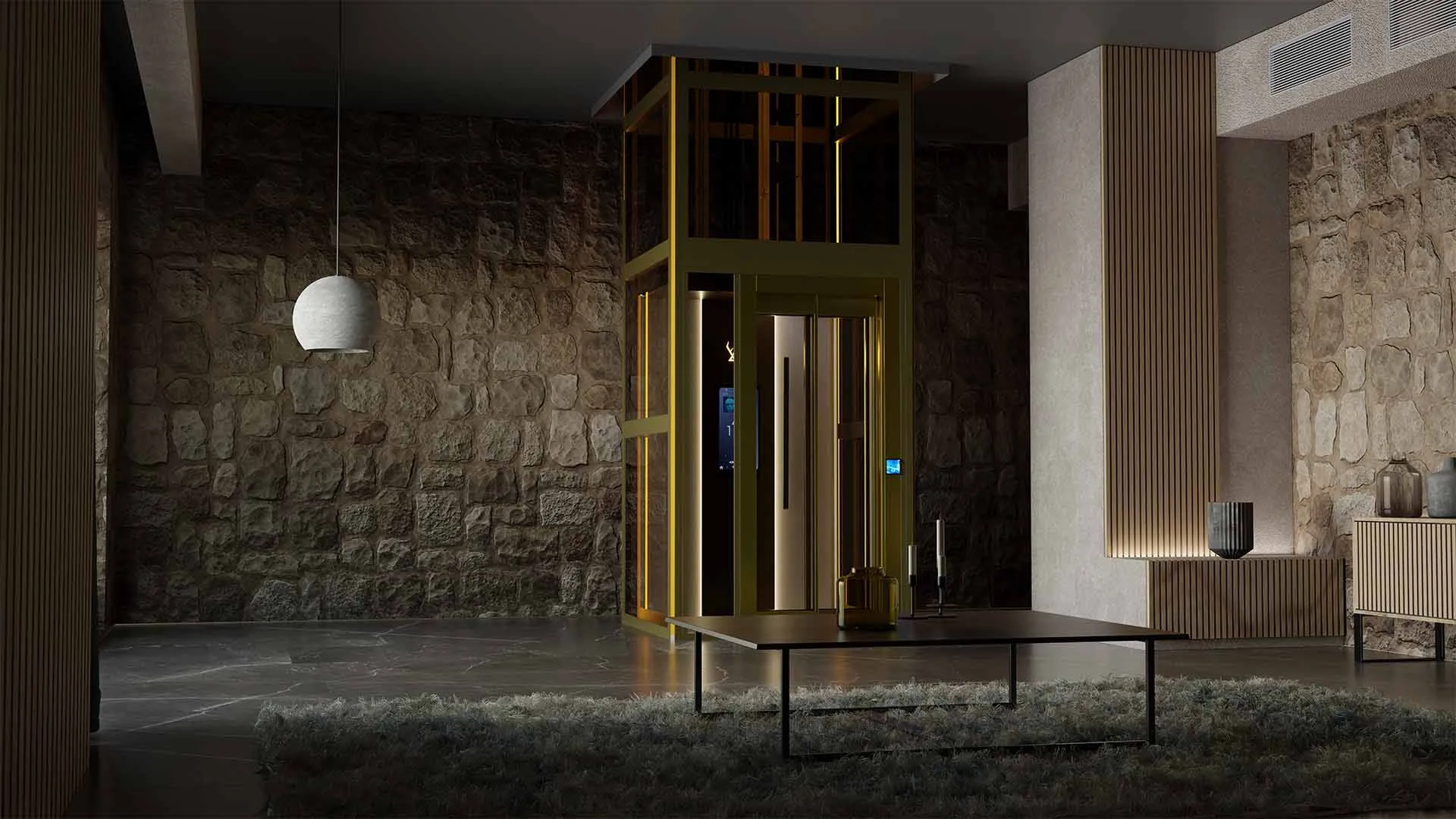
Yes. Most existing houses can take a mini lift, and a site visit confirms where it goes and how. The lift is fitted around what is already there, so you do not need to rebuild the home.
What the site visit checks
• Position: a spot that lines up on every floor, and whether the shaft sits inside the house or is built alongside it
• Structure: the floors and walls the lift will pass through
• Access: whether the lift parts can be brought in through your gate, door and staircase
Where a shaft comes in
Some models are available with or without a shaft. If your house has no ready space for one, ask which option applies to the lift you want.
Power
A mini lift runs on a standard single-phase connection, which most Indian homes already have, so you rarely need an electrical upgrade.
If the house is part of a shared building or society, confirm permissions before you book.
Best Mini Elevator for Residential Use: Match It to Your Home
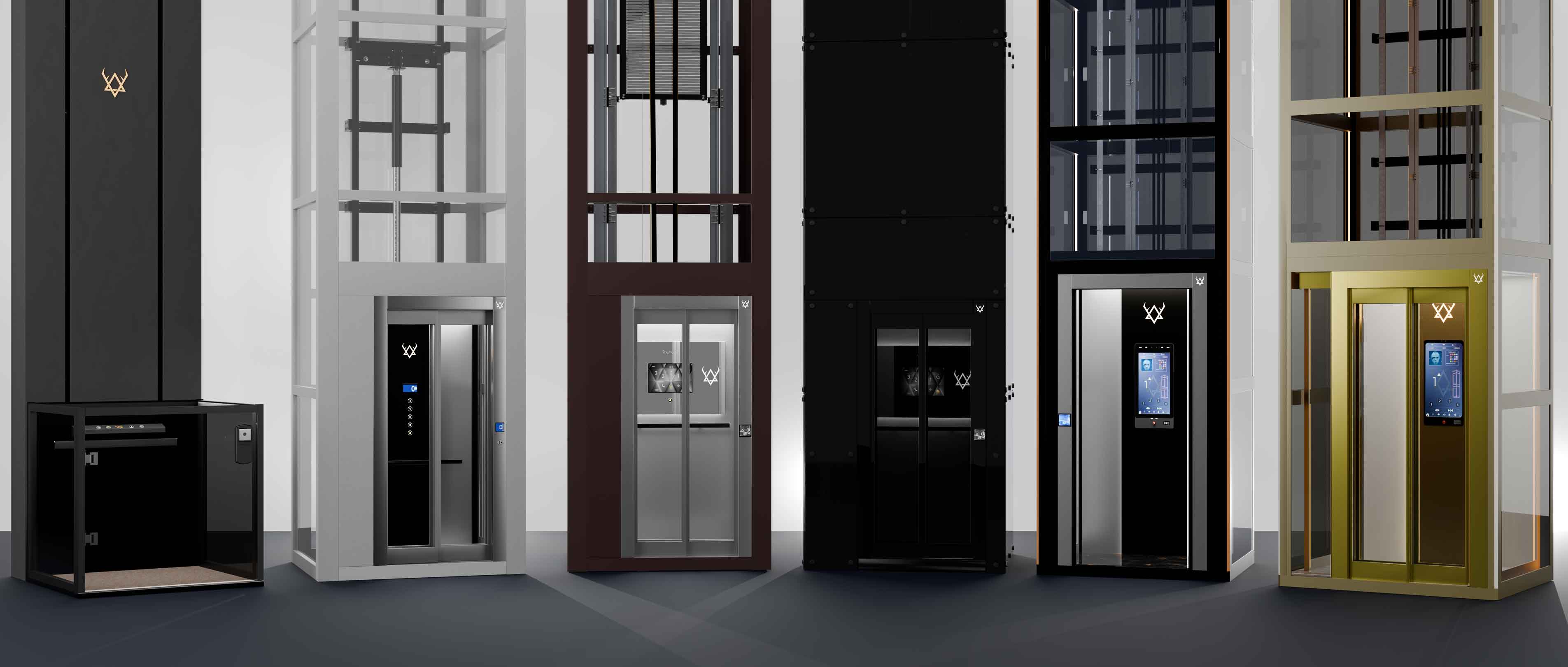
The best fit depends on your home’s floors, space and daily needs, not on picking the smallest lift. Hydraulic suits low-rise homes, gearless lifts suit homes with more floors and quiet living, and a platform lift suits very tight spaces or wheelchair use.
Use this table as a starting point.
Your home | Best fit | What to confirm on site |
Narrow plot, G+1 | SE-2 hydraulic | Shaft position and floor height |
G+2 or G+3 with elderly parents | SE-3 gearless | Cabin size and door width |
Premium home, long-term use | SE-3 Ultra | Finish options and shaft space |
Very tight space or wheelchair use | SE-1 platform lift | Finish options and shaft space |
Your floors, your available space and the people who will use the lift every day should decide the model, so bring those three details to the site visit.
Why Stag Elevators for a Mini Lift
Stag Elevators builds each mini lift for home around your space instead of a fixed catalogue size, and one team looks after it from the first site visit to after-sales service.
• Built to your measurements: your shaft, floor height and layout decide the design, so the lift fits without forcing changes to the house.
• TÜV SÜD certified: an independent third party, not just the manufacturer, verifies the safety of every Stag home elevator, and each lift goes through over 194 safety checks.
• Italian-engineered design: finishes such as glass or steel, and door styles, are chosen to suit your interiors.
• Lower long-term cost: select models come with zero AMC, so upkeep costs less year after year.
• See it before you decide: you can visit a Stag Experience Center to see the lifts first.
Final Thoughts
A mini lift for home works best when you settle three things before you choose: whether it fits, what it really costs, and how long it takes. A site visit and an itemised quote answer all three. Match the lift to your floors and the people who use it every day, and ask for independent certification. Get that right, and the lift will serve your family comfortably for years.
Frequently Asked Questions
1. How many people can a mini lift carry?
It depends on the cabin size and model. A larger cabin carries more people and can take a wheelchair. Check the rated load in kg on your quote, not only the passenger count.
2. Is a mini lift safe for children and older family members?
Yes, when it has the right safety features. Look for door sensors, emergency brakes, an alarm and a battery backup, and ask for independent certification.
3. What happens in a power cut or if the lift stops between floors?
The lift stops. A battery backup can bring the cabin to the nearest floor so people can step out, and an emergency alarm lets you call for help. Ask which of these the lift includes.
4. How much electricity does a mini lift use?
Very little for a household. The motor uses power mainly while the cabin moves, so a few trips a day add little to a monthly bill. Ask for the rated power to compare models.
5. How often does a mini lift need servicing?
Every mini lift needs regular servicing, on a schedule set by the company. Before you buy, ask for the service interval and what an annual maintenance contract (AMC) costs.
6. How long does a mini lift last?
With regular servicing, a home lift can run for many years. Its life depends on build quality, how often it is used and how well it is maintained, so ask about the warranty and spare-part support.
7. What is the difference between a mini lift and a stairlift?
A stairlift is a chair that carries one seated person along the staircase. A mini lift is an enclosed cabin in its own shaft that carries standing passengers, wheelchair users and loads, and it leaves the stairs free.
8. Does a mini lift add to my home’s resale value?
It can add to a home’s appeal, especially for buyers who want easy access to every floor, but the effect varies. A lift that is certified, serviced and well kept adds the most, so keep the papers and service records.
Author Bio

Vinoth Kannan
Vinoth Kannan is the CTO and Co-Founder of Stag Elevators, bringing years of technical expertise in designing safe and reliable home elevator systems. He leads the engineering, product innovation, and TÜV SÜD-certified quality processes that power Stag’s European-standard home lifts. His work ensures homeowners receive trusted, high-performance elevator solutions built for the future.
Ready to Install a Home Elevator in Your Home?
Get a personalized quote and expert guidance from Stag Elevators.