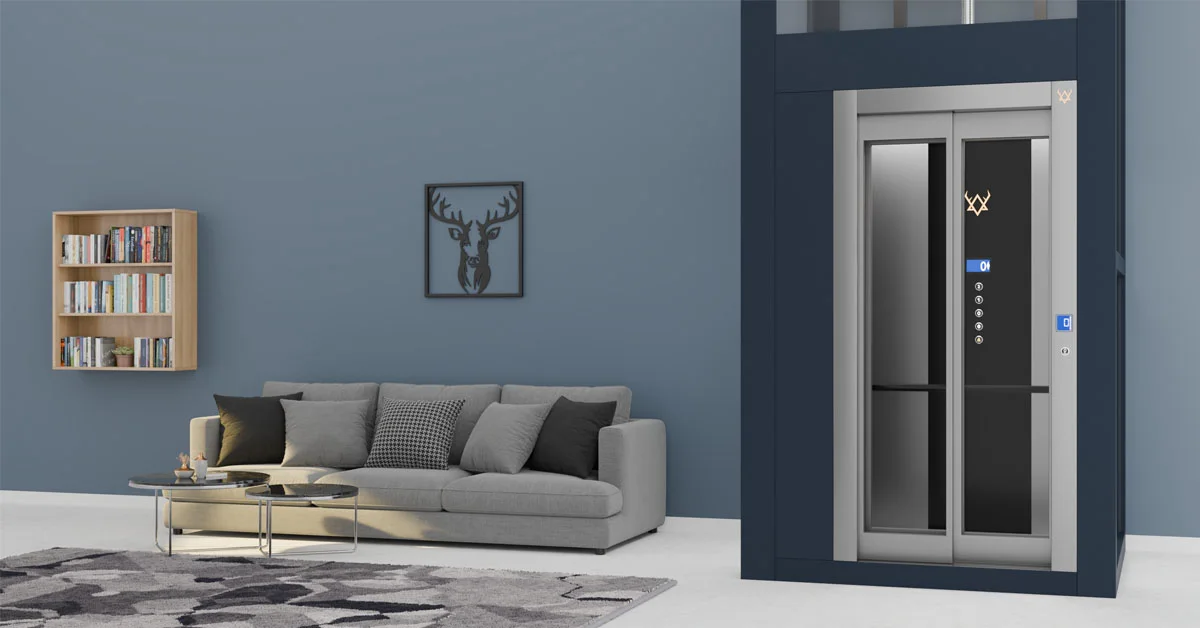
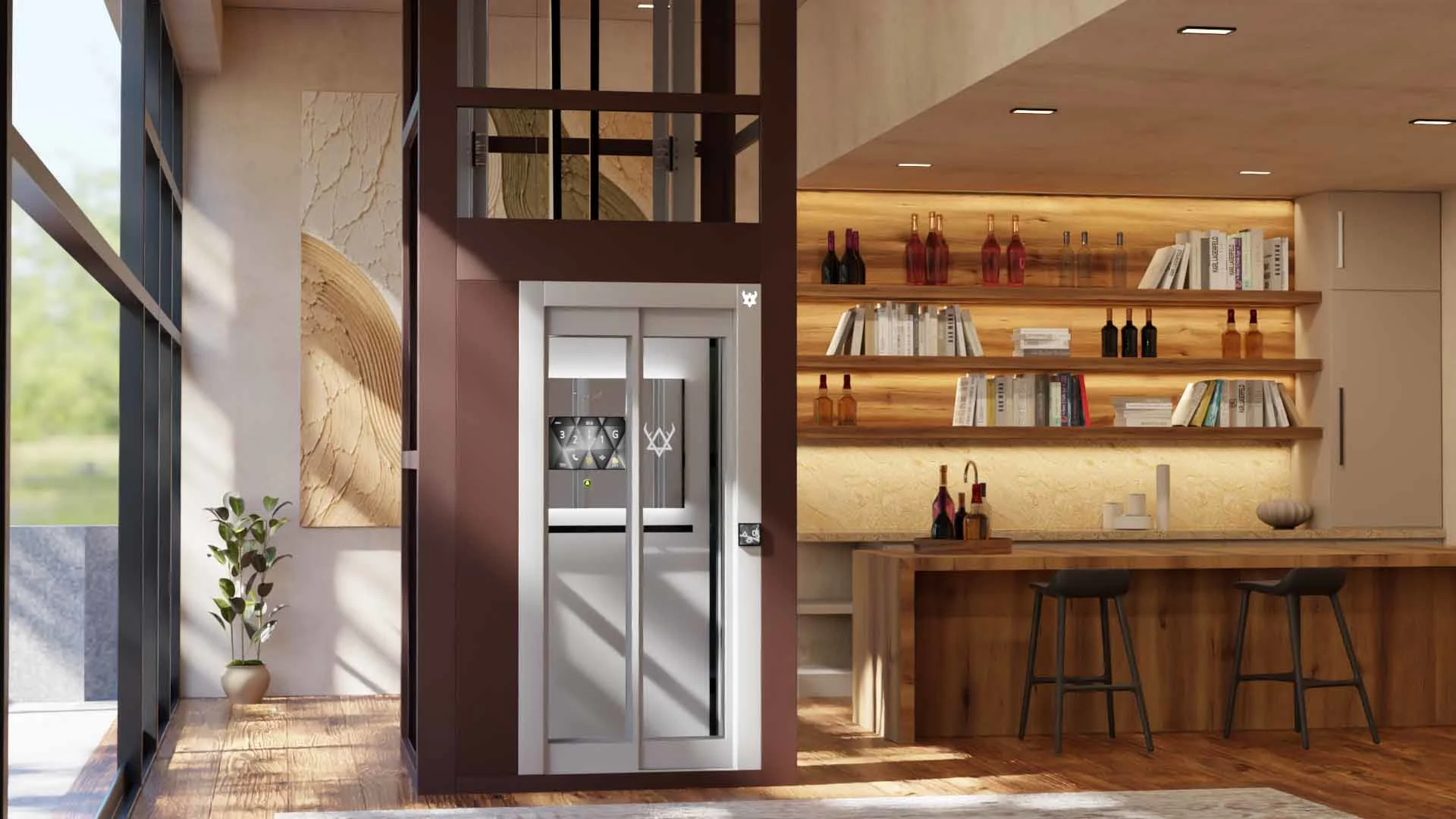
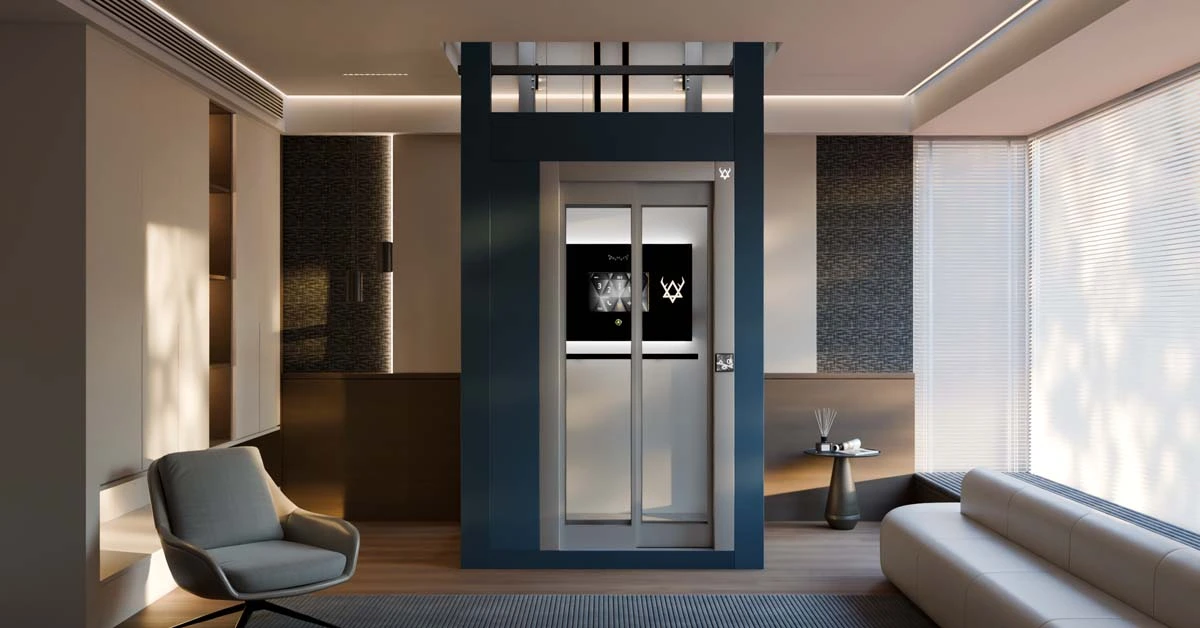
Small Lift for Home in India: Smart, Compact & Space-Saving Solutions
In This Guide
Key Takeaways
- small lift for home in india
Introduction
More Indian families are living on two, three, and four floors today than ever before. That shift has quietly made one question more common: how does everyone in the house move between floors comfortably and safely every day?
A small lift for home in India is no longer a feature reserved for large bungalows or premium villas. Today, compact home elevators are being installed in two – and three-floor independent houses, narrow urban plots, and even existing homes that were never originally designed for a lift.
But “small” does not mean limited. The best compact elevators available in India today are smart in design, space-saving in installation, and engineered to meet the same safety standards as full-sized residential elevators. They fit into tight spaces, require minimal civil work, and blend naturally into your home’s existing layout — without compromising on comfort, safety, or aesthetics.
Whether you are building a new home or upgrading an existing one, this guide walks you through every important decision — clearly and without confusion.
What Indian Homeowners Get Wrong About Small Home Lifts
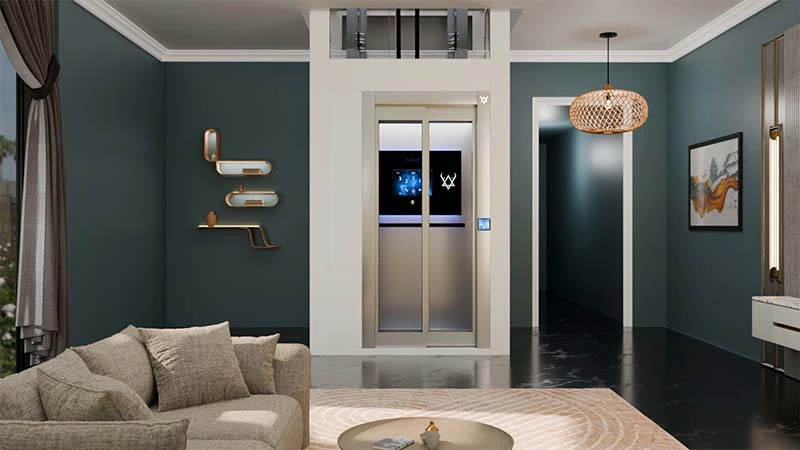
Before buying a compact home lift, most Indian homeowners carry a set of assumptions that end up either delaying their decision or leading them toward the wrong choice. Here are the most common misconceptions — and the truth behind each one.
A small lift means lower safety standards
This is one of the most common misunderstandings. The size of a lift has no relation to its safety standards. A well-engineered compact home elevator carries the same independent certifications — including TÜV SÜD — and the same core safety features as a full-sized residential elevator. Small does not mean compromised.
My home is too small for a lift
Most homeowners are surprised to learn how little space a modern compact home lift actually needs. Shaft sizes starting from 3.0 ft × 3.0 ft fit into spaces that most families already have available — near a staircase, in a corner, or along an unused wall. A proper site visit almost always reveals more options than homeowners expect.
A small lift for a home in India is only for elderly family members
A compact elevator benefits every member of the household — not just elderly parents. Young children, anyone carrying heavy items, and homeowners simply planning for long-term comfort all use and benefit from a home lift daily.
Installation will damage my home
Modern space-saving home elevators are specifically engineered to minimise civil work. Most compact models require no deep pit, no separate machine room, and no major structural changes — making them practical for both new constructions and existing homes.
Small home lift price is always lower than a full-sized elevator
Price is determined by travel height, number of floors, technology, and finish — not just the cabin size. A compact cabin on three floors can cost more than a larger cabin on two floors. Always evaluate based on your specific home requirements, not assumptions about size and price.
What Makes a Home Lift Truly "Compact"?
The word “compact” gets used loosely in the home elevator market. Every company claims their lift is space-saving — but what does that actually mean in practical terms for your home?
A truly compact home elevator is not just about a smaller cabin. It is about how the entire system — the shaft, the mechanism, the installation process, and the civil work involved — fits into your home with minimal disruption and maximum efficiency.
Compactness in a home elevator is defined by five things that are easy to verify before you buy
Shaft Size
The shaft is the space the lift travels through inside your home. A genuinely compact elevator fits into a shaft as small as 3.5 ft × 3.5 ft — roughly the size of a small cupboard. If a lift needs significantly more space than this, it is not truly built for compact homes.
No Pit, No Machine Room
A genuinely space-saving home elevator does not need a deep pit dug below the ground floor or a separate machine room built above the top floor. Both add civil work, cost, and complexity. Modern compact lifts integrate the motor and control systems within the shaft itself — keeping the total footprint minimal.
Minimal Civil Work
A compact lift should not require major structural changes to your home. If a company’s “compact” model still needs walls broken, beams reinforced, or significant alterations to existing spaces, it is not truly designed for small homes.
Works in Existing Homes
A truly compact home elevator can be retrofitted into an already-built home — not just planned into new constructions. This flexibility is what separates a genuinely space-saving design from one that only works when built from scratch.
Single-Phase Power
A compact elevator should run on your home’s existing single-phase power connection. Requiring a three-phase connection or additional electrical infrastructure immediately adds cost and complexity that defeats the purpose of a compact, practical solution.
Types of Small Home Elevators Available in India
Choosing the right technology for a compact home is not just about what a lift can do — it is about how well it fits into a limited space without disrupting your home. Here is how each technology performs specifically in compact home settings:
Hydraulic Home Elevators
Among all compact elevator options, hydraulic technology strikes the most practical balance between space efficiency and load capacity. It fits well into tight shaft areas, does not demand complex overhead structures, and is forgiving when it comes to retrofit installations in existing homes. For homeowners prioritising reliability in a smaller footprint, Stag’s SE-2 Hydraulic Home Elevators is engineered around exactly this need.
Gearless Belt-Drive Home Elevators
Where hydraulic lifts prioritise load, gearless technology prioritises experience. In compact homes with 3 or more floors, the near-silent operation and smooth ride of a gearless belt-drive system make a noticeable daily difference — especially in homes where the lift shaft sits close to living or sleeping areas. Stag’s SE-3 Gearless Home Elevators deliver this quietly into spaces that most homeowners assume are too small for a quality elevator.
Ultra Gearless Home Elevators
For homeowners who want a premium experience within a compact footprint, ultra gearless technology removes every compromise. No oil, no greasing, no annual maintenance charges on select models, and a precision-engineered aluminium shaft that keeps the overall structure light and space-efficient. Stag’s SE-3 Ultra Gearless Home Elevators are built for homes where both performance and interior aesthetics matter equally.
Vacuum (Pneumatic) Elevators
Of all the options available, vacuum elevators demand the least civil preparation — no pit, no shaft construction in the traditional sense. This makes them appealing for very specific situations where space is the absolute primary constraint. The trade-off is lower load capacity and a sealed tube design that requires careful maintenance to keep the air pressure system functioning correctly.
Screw-Driven Elevators
The oldest technology on this list, screw-driven elevators are still available but carry the most mechanical complexity of any option. In a compact home setting, the higher maintenance frequency and noisier operation make them a less practical long-term choice compared to hydraulic or gearless alternatives.
For homeowners with specific accessibility requirements, platform lifts offer a space-efficient solution worth discussing with your elevator company alongside these standard options.
Factor | Hydraulic | Gearless | Ultra Gearless | Vacuum | Screw-Driven |
|---|---|---|---|---|---|
Minimum Shaft Size | 3 ft × 3 ft to 6 ft × 6 ft | 3 ft × 3 ft to 6 ft × 6 ft | 3 ft × 3 ft to 6 ft × 6 ft | No shaft needed | 3 ft × 3 ft to 6 ft × 6 ft |
Best For (Floors) | G+1 to G+3 | G+2 to G+4 | G+2 to G+4 | G+1 to G+2 | G+1 to G+2 |
Noise Level | Low | Very Low | Near Silent | Moderate | High |
Long-Term Maintenance | Low | Very Low | Zero AMC (select models) | Medium | High |
Best Home Type | Independent houses & villas | Multi-floor homes | Premium villas | Space-constrained homes | Older retrofits only |
Small Home Lift Price — What Affects the Cost?
The small home lift price in India is not fixed — several things decide what you will actually pay.
Number of Floors
This is the biggest price driver. Every additional floor adds travel height, an extra landing door, and stronger safety components. A compact lift for a G+1 home will always cost less than the same technology installed across G+3 floors.
Technology Chosen
As shown in the comparison table above, each technology sits at a different price point. Hydraulic systems offer a more affordable entry, gearless systems sit in the mid-to-premium range, and ultra gearless models carry the highest upfront cost — but with zero AMC on select models, the long-term ownership cost often balances out.
Cabin Size and Finish
A compact cabin with a standard interior finish keeps the price lower. Premium choices — glass panels, designer walls, automatic doors, or custom lighting — push the price higher. The finish is entirely your choice, but knowing upfront how much each upgrade adds helps you plan your budget accurately.
New Construction vs Existing Home
Installing a compact lift in a home still under construction is generally more straightforward and cost-efficient — the shaft can be planned in advance. Retrofitting an existing home, on the other hand, may need some extra civil preparation depending on the available space and structural conditions.
Brand and Certification
A lift independently certified by TÜV SÜD may carry a slightly higher upfront cost than an uncertified local alternative. But that certification confirms real, tested safety — and typically means fewer breakdowns and lower servicing costs over the years you actually use the lift.
Space-Saving Features That Matter Most
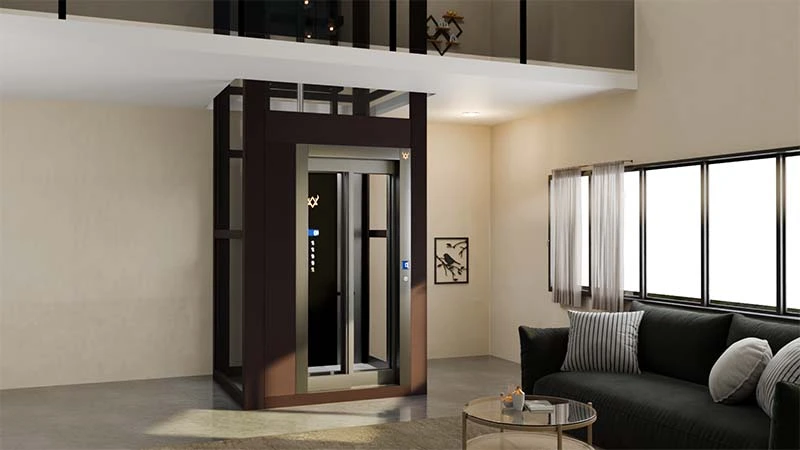
Not all space-saving home elevators are equally efficient in how they use the available space in your home. These are the features that genuinely make a difference when space is limited:
No Pit Design
A lift that works without a pit saves you from digging below the ground floor — which in many existing Indian homes is either impractical or structurally complicated. A no-pit design means the lift can be installed flush with your existing floor level with minimal ground-level preparation.
Integrated Motor and Control Panel
When the motor and control panel are built into the shaft itself — rather than housed in a separate machine room — the overall system takes up significantly less space in your home. This integration is one of the clearest signs of a genuinely space-efficient elevator design.
Slim Door Options
Door design affects how much wall space the lift entry takes up. Automatic sliding doors, for example, require no swing clearance — making them far more practical in tight corridors or narrow staircases where a swing door would create an obstruction.
Customisable Shaft Shape
Not every home has a perfectly square or rectangular space available for a lift. A space-saving home elevator should be adaptable to the available footprint — whether that is a corner space, a narrow rectangular area beside a staircase, or an irregular shape created by the existing layout of the home.
Glass or Transparent Cabin Design
A glass cabin does more than look elegant — it removes the visual heaviness of a solid cabin in a compact space. In a small home, a transparent cabin creates a sense of openness that makes the lift feel like a natural part of the home rather than a bulky addition to it.
Common Mistakes Indian Homeowners Make When Choosing a Small Lift
Buying a compact home elevator is different from buying a standard one. The decisions are more specific, the space constraints are tighter, and the mistakes are easier to make. Here are the ones that come up most often:
Not Measuring the Available Space First
Most homeowners call a company before they even know how much space they have. This leads to wasted time and mismatched recommendations. Before any conversation with an elevator company, measure the area you have in mind — length, width, and ceiling height. Even an approximate measurement gives the company something real to work with.
Assuming the Smallest Cabin Is Always the Cheapest
A smaller cabin does not automatically mean a lower price. Price is driven by travel height and number of floors — not cabin size alone. A small elevator for a home across three floors can cost more than a larger cabin across two floors. Always get a quote based on your actual home layout, not assumptions about size and cost.
Ignoring Noise Levels in Compact Homes
In a compact home, the lift shaft is often closer to bedrooms, living rooms, or dining areas than in a larger property. A noisy lift technology in this setting becomes a daily inconvenience. Always ask specifically about noise levels and choose a technology — like gearless — that operates quietly enough for the spaces surrounding it.
Choosing Based on Looks Rather Than Shaft Compatibility
Many homeowners fall in love with a cabin design or finish in a showroom — and then discover later that it does not fit their available shaft space properly. Always confirm shaft compatibility before finalising any design or finish. The best-looking lift is useless if it does not fit your home correctly.
Not Asking About Door Swing Space
In tight spaces, the type of door matters enormously. A swing door in a narrow corridor can block movement every time the lift is used. Always ask whether the lift offers sliding door options — and confirm that the door type chosen works practically within your home’s specific layout.
Why Stag Elevators Is the Right Choice for Compact Home Lifts
When space is limited, and the decision is long-term, the company you choose matters as much as the technology itself. Here is what makes Stag Elevators a trusted choice specifically for compact home installations across India:
Built Around Your Space, Not Around a Standard Size
Stag Elevators does not manufacture fixed, one-size-fits-all units. Every lift — whether it is the SE-2 hydraulic, the SE-3 gearless, or the SE-3 Ultra — is custom-engineered around your home’s actual shaft dimensions, floor height, and structural layout. In compact homes where every centimetre matters, this custom approach makes a significant difference to the final installation quality.
No Pit, No Machine Room, No Headroom
Every Stag compact home elevator is designed to work without a deep pit, a separate machine room, or significant headroom above the top floor. This is not a marketing claim — it is an engineering decision that directly reduces civil work, installation time, and disruption to your home.
TÜV SÜD Certified Safety
Every Stag home elevator carries independent TÜV SÜD certification — confirmed by a globally recognised third party, not just the manufacturer. In a compact home where the lift is closer to living spaces, knowing that every safety feature has been independently tested gives genuine peace of mind.
Italian Design, Indian Homes
Select Stag elevator models incorporate design elements and components sourced from Italy — bringing both build quality and a refined aesthetic that works particularly well in compact spaces where design and function need to coexist without compromise.
Zero AMC on Select Models
For a product used daily in a compact home, predictable long-term costs matter. Stag Elevators offers zero annual maintenance charges on select models — removing recurring servicing bills and making ownership genuinely cost-effective over the years.
End-to-End Support
From the first site visit through manufacturing, installation, and long-term after-sales service — Stag Elevators handles everything in-house. One team, full accountability, and a process designed to make compact elevator installation as smooth and straightforward as possible.
Get in Touch With Stag Elevators
Finding the right small lift for a home in India starts with understanding your specific space — and that begins with a proper site visit. Whether you are building a new home or adding a lift to an existing one, the Stag Elevators team will assess your available space, recommend the right technology, and give you a transparent, no-obligation quote tailored to your home.
No guesswork. No fixed standard sizes. Just a solution built around your home.
Contact Stag Elevators Today:
📞 India: +91-9900111082
✉️ Email: info@stagelevators.com
Final Thoughts
A small lift for home in India today is not a compromise — it is a smart, considered decision that works within your home’s real constraints without giving up on comfort, safety, or design.
The best compact home elevators available today fit into tight spaces, require minimal civil work, carry independent safety certifications, and deliver a ride quality that rivals full-sized residential elevators. The difference between a good outcome and a poor one comes down to two things — choosing the right technology for your specific home and choosing a company that genuinely engineers around your space rather than selling you a standard unit.
Whether you are looking for a space-saving home elevator for a compact urban home, a mini home lift for a duplex, or a small lift for a villa — the right solution exists. It just needs to be built around your home, not the other way around.
Frequently Asked Questions
1. Can a small lift for home in India be installed in a staircase area?
Yes — the space alongside a staircase is one of the most common locations for a compact home lift. A site visit confirms whether the available dimensions can accommodate a shaft comfortably.
2. What is the smallest cabin size available for a compact home elevator?
Cabin sizes start from 3 ft × 3 ft — enough for two to three passengers. This fits into spaces most homeowners already have available in their home.
3. Does a glass cabin make a compact home feel smaller?
No — it does the opposite. A glass cabin removes the visual heaviness of a solid cabin, making the lift feel lighter and more open within a compact space.
4. Is a small lift suitable for a villa or duplex home?
Yes. A small lift for villa use improves daily comfort, supports elderly family members, and adds long-term property value — without requiring major structural changes.
5. Can Stag Elevators fit a lift into an irregular shaft shape?
Yes. Every Stag elevator is custom-engineered around your home's actual available space — including non-standard or irregular shaft shapes.
6. Does a mini home lift in India operate quietly near bedrooms?
Yes — particularly gearless models, which run at near-silent levels. If the shaft is close to bedrooms or living areas, gearless technology is the recommended choice.
7. Can a compact home lift accommodate a wheelchair?
Yes — larger cabin options within the compact range can be configured for wheelchairs. Cabin width and door opening are customised during the design stage.
8. Which door type works best for a small elevator for home in tight spaces?
Automatic sliding doors are the most practical choice — they require no swing clearance and keep the entry area completely clear when the lift is not in use.
Ready to Install a Home Elevator in Your Home?
Get a personalized quote and expert guidance from Stag Elevators.