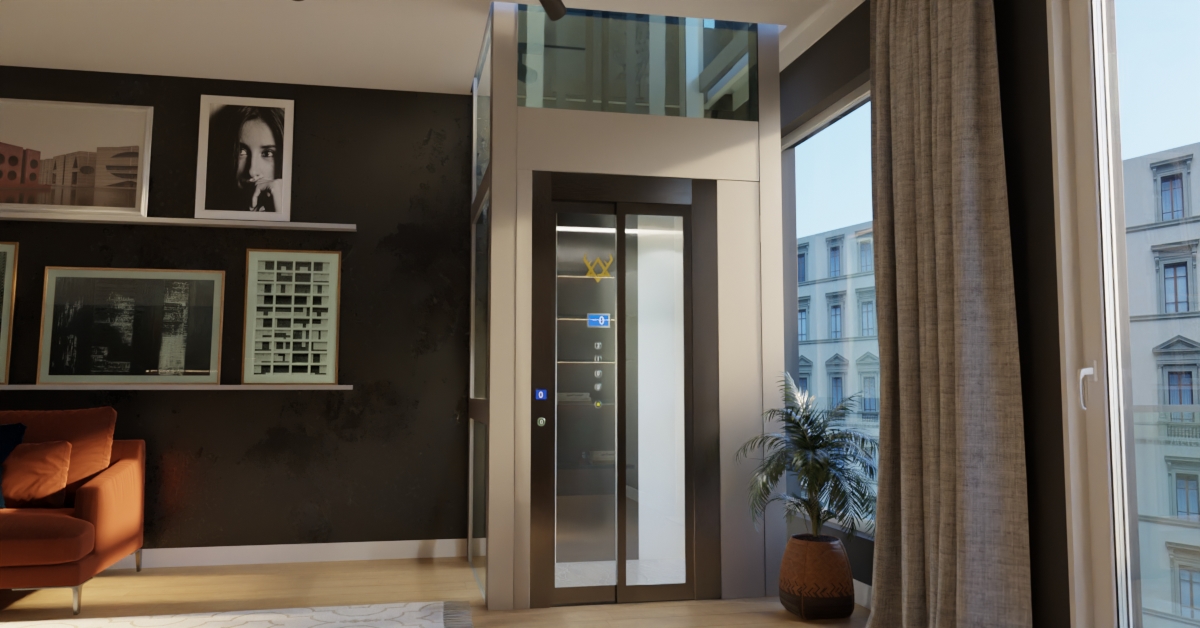
Home Lift Price in India (2026): Cost, Types & Installation Guide

Discover the latest home lift price in India for 2026, including detailed cost breakdown, lift types, pricing by floors, and expert tips to choose the right home elevator.

Table of Contents

Introduction to Home Lift Price in India

home-lift-price-in-india

If you’ve ever carried groceries up the stairs or helped an elderly family member move between floors, you’ve probably thought, “Having a lift at home would make life so much easier.” You’re not alone.

In 2026, home lifts in India will no longer be a luxury reserved for a few. They have become a practical, space-efficient, and increasingly affordable solution for modern homes. Whether it’s for convenience, safety, or future-proofing your house, more homeowners are now considering installing a residential elevator.

But let’s be honest—the first question everyone asks is:

What is the home lift price in India? The average home lift price in India ranges between ₹4 lakh and ₹50 lakh, with most homeowners investing between ₹10 lakh and ₹30 lakh, depending on floors, technology, and customization.

The home lift price in India typically ranges from ₹4 lakhs to ₹50 lakhs, depending on the type, technology, number of floors, and level of customization. While basic models start at lower price points, premium and certified home elevators usually fall in the ₹10 lakh to ₹50 lakh range.

In this guide, you’ll get a clear understanding of:

  • How much does a home lift cost in India

  • What factors influence the pricing

  • Which options suit different budgets

  • How to choose the right lift for your home

By the end, you’ll not only know the price, but also how to make a smart, long-term investment.

Why Home Lifts Are Becoming So Popular in India

Across India, home lifts are no longer seen as a luxury—they are quickly becoming a practical necessity for modern homes.

With multi-storey houses becoming increasingly common in both cities and towns, a home lift adds more than just convenience. It provides ease of movement, improved accessibility, and greater independence, especially for elderly family members or people with mobility challenges.

At the same time, home lifts are also gaining popularity as a modern design upgrade. Many homeowners now see them as a way to enhance both functionality and the overall look of their space—without the need for major structural changes.

What’s driving this shift even further is the advancement in technology. Today’s home elevators are:

  • Compact and space-efficient

  • Suitable for small homes and duplexes

  • Operable on single-phase power

  • Available in models that don’t require a pit or machine room

Compared to a few years ago, installing a home lift is now simpler, faster, and more cost-effective, making it accessible to a much wider range of homeowners.

What is a Residential Lift?

home elevators in india

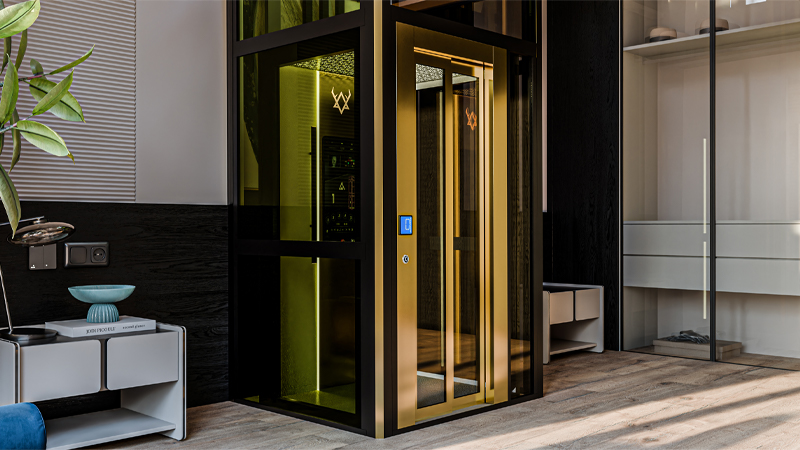
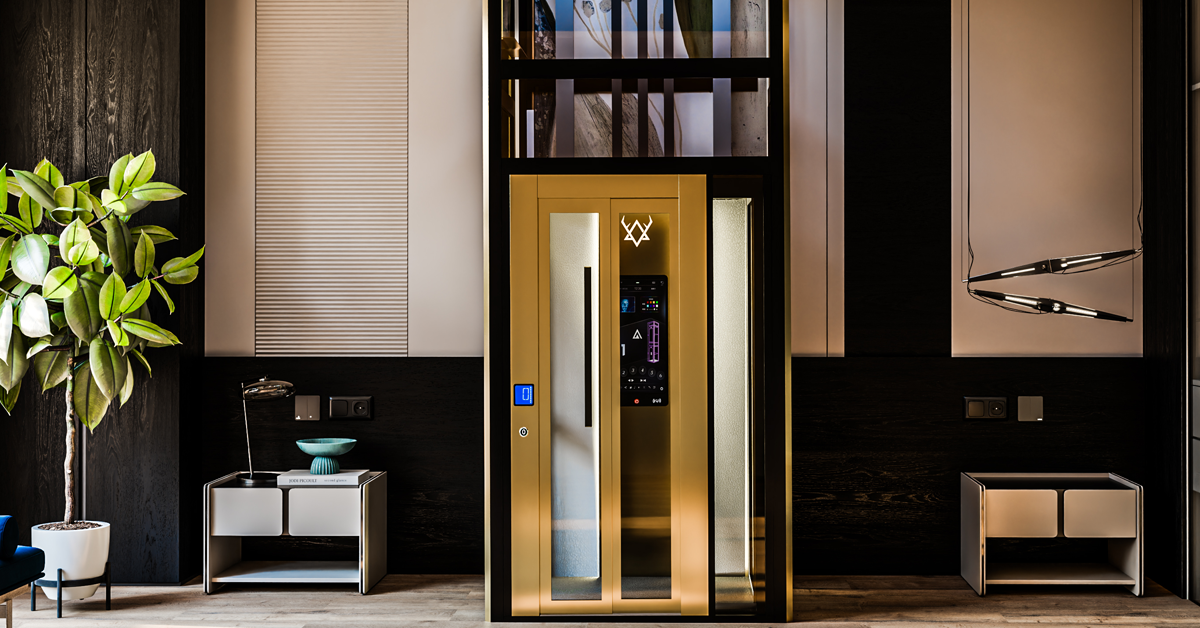
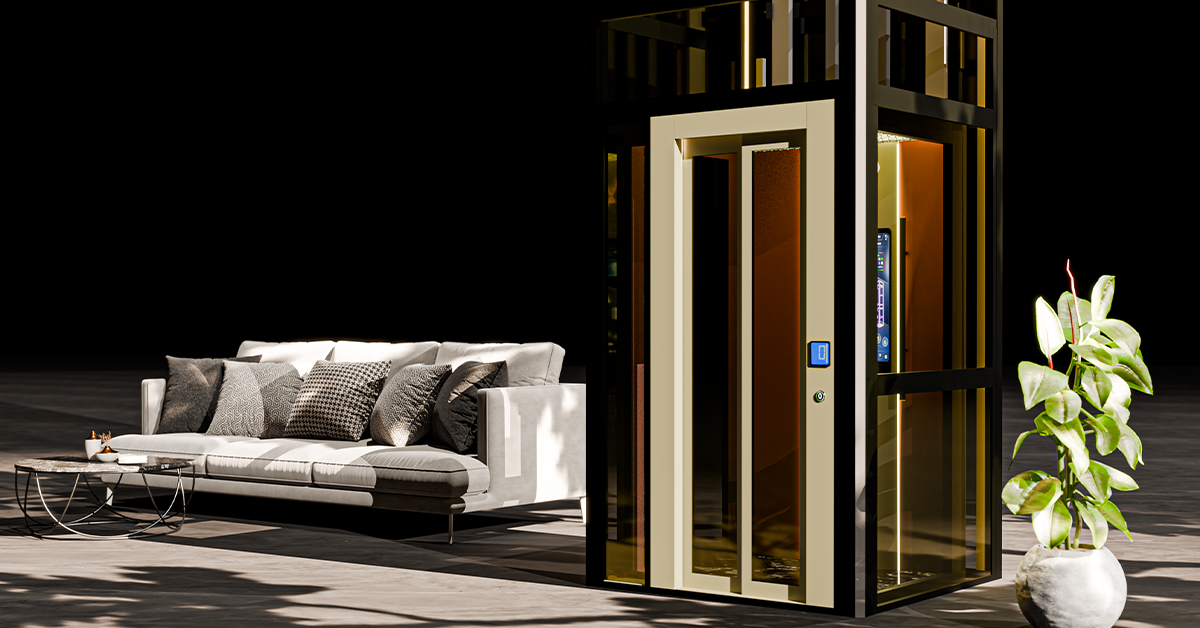
A residential lift, also known as a home elevator, is a compact lifting system designed to help people move easily between different floors of a house. Unlike commercial elevators used in offices or malls, residential lifts are space-efficient, easy to install, and tailored for private homes.

Modern home lifts are built to fit a wide range of properties—from independent houses and villas to duplex homes—without requiring major structural changes. Many models are designed to work with minimal space, low power consumption, and simple installation requirements.

Depending on the type and technology, residential lifts can:

  • Carry 2 to 4 people comfortably

  • Operate on single-phase or three-phase power

  • Work with or without a machine room or deep pit

Today, residential elevators are not just about convenience—they play a key role in improving accessibility, safety, and long-term usability of a home.

Technologies Used in Home Lifts in India

Choosing the right home lift technology is important because it directly affects the price, performance, space requirements, and long-term reliability. Each technology works differently and is suitable for different types of homes.

Below is a clear comparison of the most commonly used home lift technologies in India:

Technology Key Highlights Consideration Maintenance Suitable for New Homes
Gearless / Traction Elevators Ultra-smooth performance, energy-efficient, superior technology Higher initial cost Zero / Minimal ✅ Yes
Hydraulic Elevators Reliable, cost-effective, best suited for residential use Requires space for hydraulic unit Very Low ✅ Yes
Platform Lifts Space-saving, simple design, easy installation Limited speed and capacity Low ✅ Yes
Screw Driven Elevators No pit required, simple setup Older technology, slower operation High ❌ No
Vacuum Elevators No pit or machine room needed Limited capacity and maintenance concerns High ❌ No

Gearless / Traction Elevators

Gearless elevators use a counterweight system to move the cabin, offering ultra-smooth and efficient performance. They are considered a superior technology due to their advanced design, energy efficiency, and ability to handle multiple floors with ease. They are ideal for homeowners looking for long-term reliability and premium performance.

Hydraulic Elevators

Hydraulic elevators operate using a fluid-based system that moves the cabin vertically. They are widely considered the best choice for residential homes, especially for low-rise buildings. They offer smooth operation, reliable performance, and are a practical solution for most home requirements.

Platform Lifts

Platform lifts are designed for compact spaces and can operate using either hydraulic or traction systems. They are simple in design and easy to install, making them suitable for small homes or where minimal structural changes are preferred.

Screw-Driven Elevators

These lifts use a rotating screw mechanism to move the cabin. While they are easy to install and do not require a pit, they are considered an older technology. They are generally slower and may not provide the same level of smoothness and performance as modern lift systems.

Vacuum Elevators

Vacuum lifts operate using air pressure within a sealed structure. Although they are compact and visually unique, many homeowners avoid them due to limitations in capacity, performance, and long-term maintenance considerations.

Home Lift Price in India

Home lift price in India with cost breakdown

The home elevator price in India varies widely based on factors like technology, number of floors, capacity, and customization. On average, the cost of installing a home lift can range from ₹4 lakhs to ₹50 lakhs or more. Before choosing a home lift, it’s important to understand how pricing varies based on features, safety standards, and certifications. From basic models to premium elevators, each category offers different levels of comfort, technology, and compliance.

Type of Home Lift Price Range (Approx.) Safety Features Certifications
Basic Home Lifts ₹4L – ₹10L Very Low Minimal / No Certifications
Standard Residential Lifts ₹10L – ₹25L Low Local Certifications
Premium Home Elevators ₹15L – ₹50L+ High Safety TÜV SÜD / European Certifications

After reviewing the different types, it’s clear that higher investment generally brings better safety, smoother performance, and internationally recognized certifications. Choosing the right lift depends on your home structure, usage needs, and long-term expectations.
Note: The above prices are approximate estimates and may vary based on customization, number of stops, installation complexity, location, and brand. These are not final prices and should be considered for general guidance only.

Premium Home Lift Price by Floors

When planning a premium home lift, the number of stops (floors) plays a major role in determining the overall cost. As the travel height and complexity increase, pricing typically rises due to additional components, installation effort, and safety requirements.

Floors Configuration Estimated Price Range (Premium Elevators) Suitable For Installation
G+1 (2 Stops) Ground + 1 Floor ₹12L – ₹16L Small villas / duplex homes Easy
G+2 (3 Stops) Ground + 2 Floors ₹14L – ₹18L Standard independent houses Easy
G+3 (4 Stops) Ground + 3 Floors ₹16L – ₹20L Large villas / builder floors Moderate
G+4 and Above (5+ Stops) Ground + 4+ Floors ₹20L – ₹25L+ Luxury homes / apartments Moderate

As seen above, the price increases gradually with each additional stop due to higher material requirements, extended shaft height, and more advanced control systems. Choosing the right configuration depends on your building design, future expansion plans, and usage needs.

Note: These prices are approximate and may vary based on lift specifications, customization, site conditions, location, and brand. Final pricing can only be confirmed after a technical site assessment.

Home Lift Price Across Major Cities

In India, home lift pricing is largely standardized across cities. Whether you are checking the home lift price in Bangalore, Chennai, Hyderabad, or Kerala, the overall cost remains almost the same.

For instance, a premium G+1 home lift typically falls within the ₹12 lakh to ₹16 lakh range across all major locations. This is because pricing in the elevator industry is mainly based on the number of floors, technology, and specifications—not the city.

Here’s a general price range across key cities:

City Estimated Price Range Price Factor Best For
Bangalore ₹10L – ₹35L+ High demand, premium villas, imported lifts Luxury homes & villas
Hyderabad ₹9L – ₹30L+ Competitive pricing, growing residential demand Budget to mid-range homes
Chennai ₹10L – ₹32L+ Strong real estate + coastal installation factors Independent houses
Kerala ₹10L – ₹30L+ High villa culture, space-efficient lift demand Villas & retrofit homes

Overall, home lift prices across major Indian cities are quite similar, with cost mainly depending on floors, features, and specifications rather than location.

Note: Prices are approximate and may vary based on customization, site conditions, and brand.

What Actually Changes from City to City?

While the base price remains the same, slight variations can happen due to logistics.

If a lift company has its manufacturing or assembly unit in Hyderabad, home elevator price in Hyderabad can be slightly lower compared to cities like Delhi or Kolkata. This difference is mainly due to transportation, handling, and installation movement costs—not because of the lift itself.

Similarly, the home lift price in Chennai, Hyderabad, and Kerala follows the same pricing structure, with only minor differences based on site conditions and distance from the supplier.

👉 In simple terms:
The price of the lift stays the same — only the delivery and installation factors may slightly affect the final quote.

How Pricing Works in the Elevator Industry

In the elevator industry, the overall cost is primarily influenced by the number of floors (travel height), as it directly impacts the lift structure, installation complexity, and materials required.

In most conventional elevator systems, cabin sizes are standardized, and there is limited flexibility in terms of dimensions and load capacity. Because of this, pricing is generally not calculated separately based on size or capacity in standard configurations.

However, any customization, design changes, or higher capacity requirements can still influence the final price.

Factors Affecting Home Lift Price in India

The cost of a home lift in India is not fixed—it varies based on several important factors. Understanding these will help you make a better decision and plan your budget accurately.

Here are the key factors that influence the final price:

1. Type of Lift and Technology

The technology you choose is one of the biggest factors affecting the overall cost.

  • Hydraulic elevators are known for their smooth and reliable performance, making them a popular choice for residential use.

  • Gearless or traction elevators offer more advanced technology, better efficiency, and ultra-smooth operation.

  • Platform lifts are compact and suitable for smaller spaces.

  • Vacuum elevators, while innovative, may come with certain limitations in performance and capacity.

Each technology has a different setup, performance level, and cost structure, which directly impacts your budget.

2. Number of Floors (Travel Height)

The number of floors your lift needs to cover plays a major role in pricing.

More floors required:

  • Additional rails and structure

  • More wiring and components

  • Increased installation effort

This is why a lift for G+1 will always cost less than a lift designed for G+3 or higher.

3. Cabin Size and Capacity

The size of the lift and its carrying capacity also affect the cost.

  • Smaller lifts designed for 2 persons are more budget-friendly

  • Larger cabins for 3–4 persons require more materials and stronger components

Although many residential lifts come in standard sizes, any increase in size or capacity can slightly raise the overall price.

4. Design and Customization

Customization has a direct impact on the final cost.

A standard lift with basic interiors will be more affordable, while upgrades such as:

  • Glass panels

  • Premium finishes

  • Automatic doors

  • Smart features

can significantly increase the price depending on the level of customization.

5. Installation Requirements and Space

Every home is different, and installation conditions can affect the cost.

  • Some lifts require a pit or machine room

  • Others are designed to work without major civil changes

If your home has limited space, compact or pitless lifts can reduce construction work—but site conditions still play an important role in pricing.

6. Safety Features and Certifications

Safety is a critical factor and should never be compromised.

Features such as:

  • Automatic rescue device

  • Emergency alarm systems

  • Door safety sensors

  • Certified safety standards (like TÜV SÜD)

may increase the initial cost slightly, but they ensure better reliability, safety, and long-term peace of mind.

While pricing varies based on these factors, it’s important to look beyond just the base cost. A well-chosen home lift offers better performance, safety, and durability, making it a valuable long-term investment.

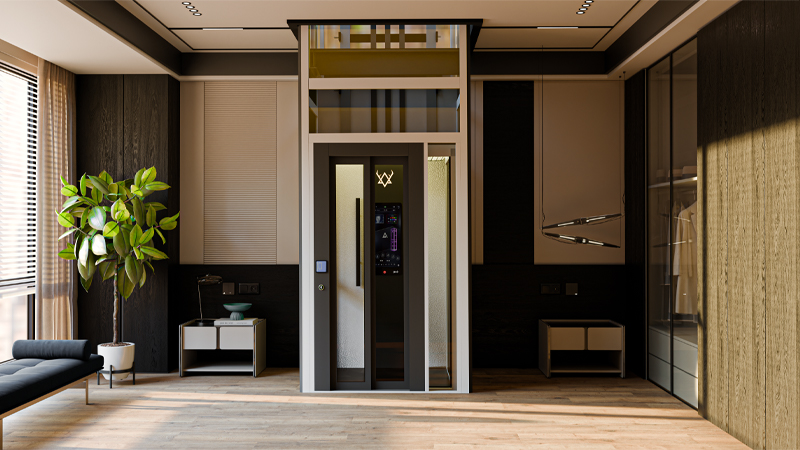
Add Your Heading Hidden Costs You Should Know Before Installing a Home LiftText Here

When planning your home lift budget, many homeowners focus only on the base price. However, the final cost is often higher due to additional components and requirements that are not always included in the initial quote.

Understanding these hidden costs helps you avoid surprises and plan more accurately.

1. Base Equipment Cost

This is the core cost of the lift itself, which includes:

  • Lift cabin

  • Motor and drive system

  • Control panel

Most quotations highlight this price, but it’s only one part of the total investment.

2. Installation Charges

Professional installation is essential for safety and performance.

This includes:

  • Assembly of the lift system

  • Electrical wiring

  • Testing and commissioning

Installation costs can vary depending on the complexity of the project and site conditions.

3. Civil Work and Structural Modifications

In many cases, additional construction work may be required, such as:

  • Creating a shaft or lift enclosure

  • Pit construction (for certain technologies)

  • Floor cut-outs and finishing

If your home is not pre-designed for a lift, these costs can significantly impact your budget.

4. Customization and Add-Ons

While basic models come with standard finishes, many homeowners opt for upgrades like:

  • Glass panels or designer interiors

  • Automatic doors

  • Premium lighting

  • Smart or touch-based controls

These enhancements improve aesthetics and experience but add to the overall cost.

5. Annual Maintenance and Service

A home lift requires regular servicing to ensure safety and smooth operation.

Typical maintenance includes:

  • Routine inspections

  • Minor repairs and adjustments

  • Replacement of wear-and-tear components

Annual Maintenance Contracts (AMC) are usually recommended and should be considered as a long-term cost.

6. Power Supply and Electrical Setup

Some lifts may require:

  • Dedicated electrical lines

  • Stabilizers or backup systems

Depending on your home’s existing setup, this can add to the installation cost.

Safety and Certifications in Home Elevators

When it comes to home lifts, safety is not just a feature—it’s a necessity. A well-designed home elevator should meet strict safety standards to ensure reliable and risk-free operation for your family.

Modern home lifts are equipped with multiple safety systems that work together to provide a secure experience.

Essential Safety Features in Home Lifts

Most high-quality home elevators include:

  • Automatic Rescue Device (ARD) – Safely brings the lift to the nearest floor during a power failure

  • Emergency Alarm System – Allows users to alert others in case of any issue

  • Door Safety Sensors – Prevent doors from closing if there is an obstruction

  • Overload Protection – Ensures the lift does not operate beyond its capacity

  • Smooth Start and Stop Technology – Avoids jerks and ensures comfortable movement

These features are critical for everyday safety, especially in homes with elderly family members and children.

Why Certifications Matter

Apart from built-in safety features, certifications play a key role in determining the quality and reliability of a home lift.

Certified elevators are tested for:

  • Structural safety

  • Electrical reliability

  • Performance standards

One of the most recognized safety certifications is from TÜV SÜD, which is known for its rigorous testing and global standards.

Choosing a certified home lift ensures:

  • Higher safety compliance

  • Better product reliability

  • Long-term peace of mind

While non-certified lifts may appear more affordable initially, they may lack advanced safety systems and long-term reliability. Investing in a certified home elevator is always a safer and smarter decision.

How to Choose the Right Home Lift for Your House

Choosing a home lift is not just about selecting a model—it’s about finding the right solution that fits your home, lifestyle, and long-term needs.

Here’s a simple checklist to help you make the right decision:

1. Assess Your Space

Start by evaluating the available space in your home.

  • Check the shaft area or installation location

  • Measure floor-to-floor height

  • Understand whether civil work is required

If space is limited, compact or pitless lift options can be more suitable.

2. Select the Right Technology

Different lift technologies offer different advantages.

  • Choose based on your home structure

  • Consider smoothness, noise levels, and efficiency

  • Pick a system that suits both your present and future needs

Making the right choice here ensures better performance and long-term reliability.

3. Compare Total Cost, Not Just Base Price

Don’t focus only on the initial quote.

Make sure you include:

  • Installation charges

  • Civil work (if required)

  • Customization costs

  • Maintenance expenses

A slightly higher upfront investment can save money in the long run.

4. Check Safety Features and Certifications

Always prioritize safety over cost.

  • Ensure the lift includes essential safety features

  • Look for certified systems tested for reliability

  • Avoid compromising on safety standards

This is especially important for families with elderly members and children.

5. Evaluate Brand Reliability and Support

The company you choose matters just as much as the product.

  • Check experience and past installations

  • Look at service support and response time

  • Ensure the availability of maintenance and spare parts

Good after-sales support is critical for long-term performance.

6. Plan for Future Needs

Think beyond your current requirements.

  • Will your family size change?

  • Do you need a higher capacity in the future?

  • Are you planning additional floors later?

Choosing a slightly better specification now can avoid upgrades later.

Always request a site inspection before finalizing your lift. A proper assessment helps avoid design mistakes, unexpected costs, and installation issues.

Benefits of Installing a Home Lift in India

A home lift is no longer just a luxury—it’s becoming an essential part of modern homes. Beyond convenience, it offers long-term value in terms of comfort, safety, and lifestyle improvement.

Here are the key benefits of installing a home lift:

1. Improved Accessibility for All Age Groups

One of the biggest advantages is ease of movement within the house.

  • Elderly family members can move independently

  • Reduces the risk of slips and falls on stairs

  • Makes daily life more comfortable for everyone

It creates a safer and more inclusive living environment.

2. Everyday Convenience

From carrying groceries to moving luggage, a home lift makes daily tasks effortless.

  • No more climbing stairs multiple times a day

  • Saves time and physical effort

  • Adds ease to your routine lifestyle

This convenience becomes especially valuable over time.

3. Future-Proofing Your Home

Installing a lift today prepares your home for tomorrow.

  • Ideal for aging-in-place living

  • Reduces the need for future renovations

  • Adds long-term usability to multi-storey homes

It’s a smart investment that supports your lifestyle as your needs evolve.

4. Enhances Property Value

A home with a lift is often seen as more premium and desirable.

  • Increases resale value

  • Attracts modern buyers

  • Adds a unique selling point to your property

It’s not just an expense—it’s an upgrade to your home’s overall value.

5. Space-Efficient Modern Designs

Today’s home lifts are designed to fit compact spaces.

  • No need for large machine rooms

  • Suitable for small homes and villas

  • Can be installed with minimal structural changes

Modern designs make it easier than ever to integrate a lift into your home.

6. Aesthetic and Lifestyle Upgrade

A home lift also adds to the visual appeal of your house.

  • Sleek and modern designs

  • Premium interiors and finishes

  • Complements contemporary architecture

It becomes a part of your home’s design, not just a utility.

A home lift is not just about moving between floors—it’s about improving the way you live every day. From comfort and safety to long-term value, it’s an investment that brings real benefits to your home and lifestyle.

Stag Elevators: A Trusted Name in Home Elevators

When it comes to choosing a home lift, the quality of the product and the reliability of the brand matter just as much as the price. Stag Elevators focuses on delivering premium home elevator solutions designed for safety, performance, and modern living. Installed across multiple cities in India with proven performance and customer satisfaction.

With a strong understanding of residential requirements, the brand offers solutions that combine advanced technology, refined design, and dependable service support.

What Sets Stag Elevators Apart

  • No Pit, No Headroom, No Machine Room Required

  • Operates on Single-Phase Power

  • Premium Design and High-Quality Components

  • Zero AMC on Selected Models
     

  • Multiple Technology Options

  • Dedicated After-Sales Support

  • In-House Technical Teams

A home lift is a long-term investment. Choosing a trusted brand ensures better safety, smoother performance, and reliable support throughout the lifecycle of the product.

Get Expert Guidance on Home Lift Pricing

Talk to Our Experts Today

Planning to install a home lift? Get a free consultation, accurate pricing, and the best solution for your home from our experts.

India: +91-9900111082

Dubai: +971-567894252

Email: info@stagelevators.com

Enquiry: https://stagelevators.com/contact-us/

Frequently Asked Questions

FAQ's
Frequently Asked Questions
  • 1. How much does a lift in a house cost?
    When you start exploring lift options for your home, you'll find prices usually begin around ₹9 lakhs and can go up to ₹25 lakhs. The difference mainly comes down to the size of your lift, the features you select, and the finish you prefer. If you need a simple two-floor setup, smaller models are usually all you need — practical, stylish, and easy on your wallet.
  • 2. How much does a 3-floor lift cost in India?
    For a typical three-floor home, most families end up spending somewhere around ₹12 to ₹15 lakhs. The price depends on the type of lift — hydraulic, gearless, or compact — as well as the available space in your home. A quick tip: it's always worth checking with a few suppliers, as small changes in your layout can slightly alter the total cost.
  • 3. What is the cost of a 2-person lift in India?
    A two-person lift is a great fit for compact homes or duplexes. These models typically start at ₹8 lakhs and can range up to ₹10 lakhs, depending on the design and technology you select. They're reliable, energy-efficient, and make everyday movement around the house far more comfortable for everyone.
  • 4. What is the home lift price in Bangalore?
    For home elevators in Bangalore, prices typically start around ₹10–15 lakhs, depending on the layout of your home, the number of floors, and your customization needs. Since construction styles vary across houses, the installation costs can differ too — so getting a site visit before finalizing helps you avoid surprise expenses later on.
  • 5. What are low cost home elevators?
    Low cost home elevators are compact lifts designed for everyday comfort without incurring significant expenses. They're easy to install, operate on standard household power, and don't require any major civil work. These lifts are ideal for families seeking accessibility and convenience at home without straining their budget.
  • 6. Which type of home lift is best for residential use?
    The best type of home lift depends on your space, budget, and usage. Hydraulic elevators are commonly preferred for residential use due to their reliability, while gearless elevators offer more advanced performance and smooth operation. The right choice depends on your home structure and requirements.
  • 7. Do home lifts require a machine room or pit?
    Not all home lifts require a machine room or pit. Many modern home elevators are designed to work without major civil construction, making them suitable for existing homes with limited space.
  • 8. How long does it take to install a home lift?
    The installation time for a home lift typically ranges from a few days to a few weeks, depending on the type of lift, the number of floors, and site readiness. Proper planning and site preparation can speed up the process.
  • 9. Is a home lift safe for elderly people?
    Yes, home lifts are designed with multiple safety features such as automatic rescue devices, door sensors, and emergency alarms. These features make them a safe and convenient solution, especially for elderly family members.

Conclusion

Home lifts are no longer just about convenience—they are about future-proofing your home and improving everyday living. Whether it’s ensuring safe mobility for your family or adding a modern touch to your space, a home lift can truly transform the way you experience your home.

Take the time to explore your options, understand the factors that influence pricing, and plan your investment wisely. Once you have a clear understanding of the home lift price in India, you’ll realize that it’s not just a purchase—it’s a long-term investment in comfort, safety, and peace of mind.

Authors Bio

Picture of Vinoth Kannan

Vinoth Kannan

Vinoth Kannan is the CTO and Co-Founder of Stag Elevators, bringing years of technical expertise in designing safe and reliable home elevator systems. He leads the engineering, product innovation, and TÜV SÜD–certified quality processes that power Stag’s European-standard home lifts. His work ensures homeowners receive trusted, high-performance elevator solutions built for the future.

Leave a comment

Submit Your Details
Download Our Brochure
Want Help?
We Are Here to Talk!

Enquire Now
Want to know more about Stag Elevators?
We Are Here to Talk!
Enquire Now
Submit Your details &
Get Callback Shortly