Pitless Elevators for Home in India: Cost, Types & Real Benefits
In This Guide
Key Takeaways
- ✓ Pitless elevators for homes require no traditional pit, helping avoid floor cutting and major civil work.
- ✓ Ideal for existing Indian homes where homeowners want to minimize construction and disruption.
- ✓ Available options include hydraulic and gearless belt-drive, elevators.
- ✓ The home lift without pit price in India depends on the elevator model and number of floors.
- ✓ Stag Elevators offers customized pitless elevator solutions with safety-certified options for modern homes.
Introduction
Most Indian homes were never built with a lift in mind. The staircase was the plan — and for years, it worked. But as families grow, parents age, and multi-floor living becomes the norm, that staircase starts to feel like a limitation rather than a feature.
The obvious solution is a home elevator. But for many homeowners, the next discovery stops them cold: traditional elevators need a pit — a section of the floor dug out below the ground level to accommodate the lift mechanism. In an already-built home, that means breaking open the floor, significant civil work, and a construction project that most families would rather avoid.
Pitless elevators for home use solve exactly this problem. They are designed to work without any pit at the base — no digging, no breaking, no major structural intervention. The lift sits flush with your existing floor level and integrates into your home with far less disruption than a conventional elevator installation.
This is not a compromise technology. Modern pitless home elevators are safe, certified, and available in multiple technology options — making them well suited to the way most Indian homes are actually built and lived, particularly those that are already built and occupied.
What Is a Pitless Elevator and How Is It Different?

A traditional home elevator requires a pit — typically 150 mm to 200 mm deep — dug into the floor at the base of the lift shaft. This pit houses part of the elevator mechanism and allows the cabin to reach floor level smoothly. In a new construction, planning for this pit adds very little cost or complexity. In an existing home, it means breaking open a finished floor, excavating below the slab, and then restoring everything afterward — a process that is disruptive, time-consuming, and expensive.
A pitless elevator eliminates this requirement entirely. The system is engineered so that the cabin can travel to ground floor level without needing any space below the existing floor surface. The mechanism sits entirely above the floor or within the shaft structure itself — leaving your existing floor completely intact.
For homeowners, the practical difference is significant:
No floor cutting — your existing ground floor remains untouched throughout the installation process.
Faster installation — without pit excavation and restoration, the overall project timeline is considerably shorter.
Lower civil work cost — removing the pit removes one of the more expensive and unpredictable civil components from the project budget.
Better suited to existing homes — a low pit home elevator or fully pitless system fits into already-built spaces without the structural complications that traditional pit requirements create.
The technology itself is not new — pitless elevator designs have been refined over many years and are now available across multiple lift technologies in India, from hydraulic to gearless systems.
Why Indian Homes Need Pitless Elevators for Home
The demand for pitless elevators for home installations in India is not driven by trend — it is driven by the reality of how most Indian homes are built and lived in.
Most homes considering a lift are already built
Unlike markets where homeowners plan elevators during construction, the majority of Indian families think about installing a lift only after the home is complete and occupied — often when a parent’s mobility changes, or after years of managing stairs that are no longer as easy as they once were. A home elevator for existing house installations needs to work around what already exists, not require major reconstruction to fit in.
Ground floors are finished and lived in
In most Indian independent houses, the ground floor is not a basement or utility space — it is a fully finished, actively used living area. Breaking open a finished mosaic, marble, or granite floor to dig an elevator pit is not a minor inconvenience. It means relocating furniture, living with dust and construction for weeks, and restoring the floor afterward. Pitless technology removes this problem entirely.
Urban plots are compact
Across Indian cities, residential plots have been getting smaller over the years. In many homes, there is simply no practical way to manage a significant civil project around an occupied ground floor without affecting daily life severely. The minimal disruption that pitless installation offers is not a luxury in these situations — it is often the deciding factor in whether a lift is feasible at all.
Families want a fast, clean installation
Most Indian homeowners installing a lift in an existing home are doing so because a family member’s needs have changed — and they need the solution sooner rather than later. A pitless elevator installation that avoids pit work is typically faster from start to finish, which matters when the need is immediate.
Types of Pitless Elevators Available in India
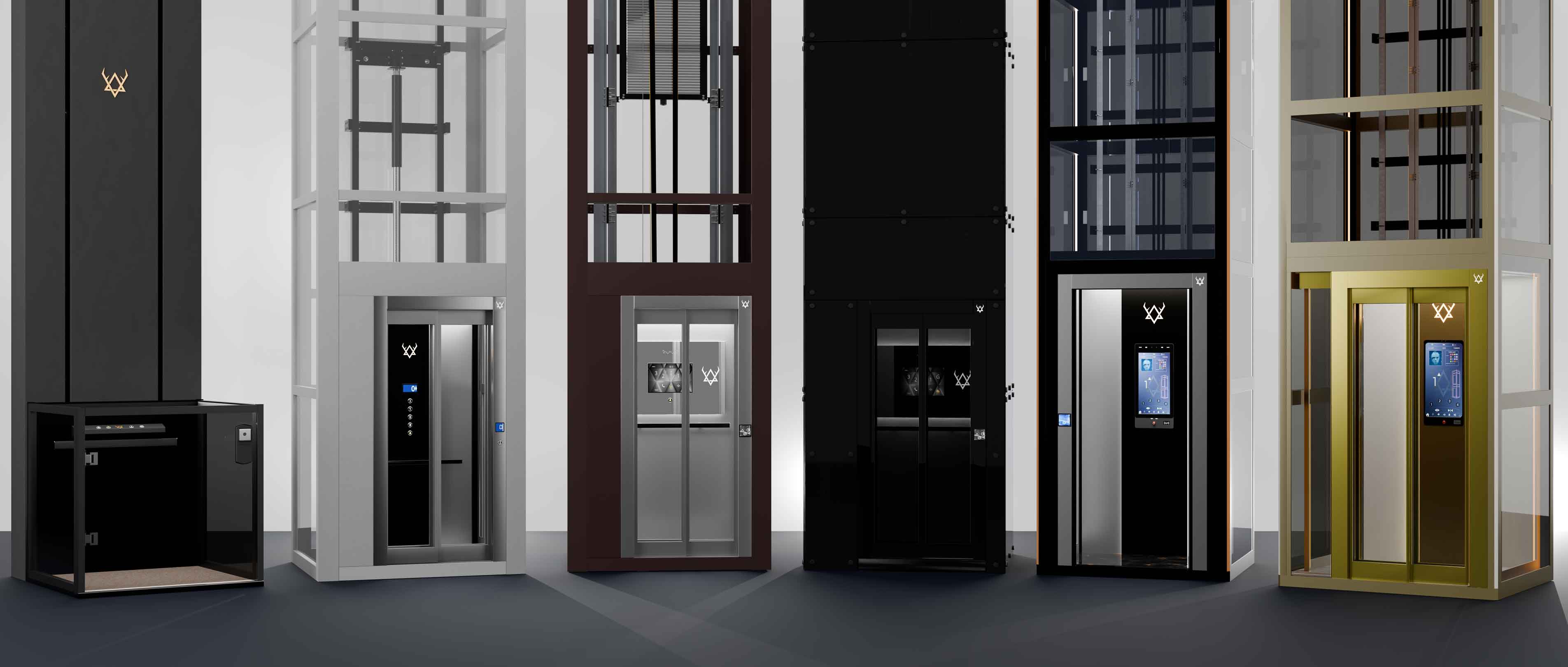
Pitless elevator technology is not limited to one mechanism or one type of lift. Several technologies can be configured to work without a pit, each suited to different home types and priorities.
Pitless Hydraulic Elevators
A pitless hydraulic elevator uses the same fluid-pressure mechanism as a standard hydraulic lift — oil pumped into a cylinder raises the cabin, and releasing the pressure brings it back down. The difference is in how the system is engineered at the base. In a pitless configuration, the hydraulic components are positioned to allow the cabin to reach ground level without needing a pit below the floor. For Indian homeowners who want the proven reliability and strong load capacity of hydraulic technology without any floor excavation, this is one of the most practical available options. Stag’s SE-2 can be configured for pitless installation for exactly this use case.
Pitless Gearless (Belt-Drive) Elevators
A gearless belt-drive elevator can also be installed in a pitless configuration. The counterweight system and motor are integrated into the shaft in a way that allows floor-level access without pit requirements. For homes where noise near living areas is a concern, a pitless gearless system delivers the near-silent operation of belt-drive technology without any of the civil work that conventional systems require. Stag’s SE-3 and SE-3 Ultra Gearless Elevators are available in pitless configurations for this purpose.
Home Elevator Without Shaft
Some homes do not have space for a fullly enclosed shaft around the elevator. In these cases, a shaftless elevator is a practical solution. Instead of travelling inside an enclosed structure, the cabin moves along a vertical rail fixed to the wall — taking up minimal space and requiring no shaft construction at all. Like other pitless options, it also needs no pit at the base, making it one of the least disruptive installations available for existing Indian homes.
Vacuum (Pneumatic) Elevators
Vacuum elevators are inherently pitless — the cylindrical sealed tube sits directly on the existing floor surface with no pit or shaft construction needed. They are the most structurally non-invasive option available, though they come with limitations in load capacity and long-term maintenance requirements that make them suitable only for specific situations.
Pitless vs Traditional Elevator — Key Differences
Before deciding which type of installation suits your home, this comparison helps you understand exactly what changes — and what does not — when you choose a pitless system over a conventional one.
Factor | Traditional Elevator (With Pit) | Pitless Elevator (No Pit) |
|---|---|---|
Floor Cutting Required | ✅ Yes — pit must be dug | ❌ No — existing floor stays intact |
Civil Work Involved | High — excavation + restoration | Minimal — no ground-level work |
Suitable for Existing Homes | ⚠️ Complicated | ✅ Ideal |
Installation Time | Longer — pit work adds weeks | Shorter — no pit preparation needed |
Disruption to Daily Life | High during installation | Low — minimal disruption |
Best For | New constructions planned in advance | New constructions, existing homes & retrofit installations |
What Affects the Home Lift Without Pit Price in India?
The home lift without pit price in India shifts based on your home’s specific conditions and the choices you make upfront helps you plan your budget accurately before speaking to any company.
Technology Chosen
Pitless elevators are available across hydraulic, gearless, shaftless, and vacuum technologies. Each sits at a different price point. A pitless hydraulic elevator typically offers the most affordable entry, while a pitless gearless or ultra gearless system sits higher — but with significantly lower long-term maintenance costs that often balance the upfront difference over time.
Number of Floors
Every additional floor adds travel height, an extra landing door, and stronger safety components — all of which increase the price. A pitless lift for G+1 will always cost less than the same technology across G+3 or G+4 floors.
Cabin Size and Interior Finish
A compact cabin with standard finishes keeps the price lower. Glass panels, premium flooring, automatic doors, and custom lighting all add to the final cost. These are choices you make — not costs imposed on you.
Shaft vs Shaftless Configuration
A pitless elevator installed within an enclosed shaft involves shaft construction costs. A shaftless pitless system eliminates this — but may involve different rail and structural fixing costs depending on your wall conditions. Always ask your elevator company to break these costs down separately in the quote.
Brand and Certification
A pitless home lift certified by TÜV SÜD will carry a higher upfront cost than an uncertified local alternative. That certification confirms the system has been independently tested — and for a lift your family uses every day, that assurance is worth the difference.
Site Conditions
Even without a pit, every home has different structural conditions — wall material, floor type, available shaft area, and ceiling height all affect installation complexity and therefore cost. A proper site visit is the only reliable way to confirm your specific price.
Is a Pitless Elevator Right for Your Home?
Pitless elevators for home installations suit a wide range of situations — but not every home equally. Here is a straightforward way to assess whether it is the right choice for yours:
It is almost certainly the right choice if:
Your home is already built and fully occupied. Any installation that requires significant ground floor excavation creates a level of disruption that most families find impractical — and pitless technology exists precisely to remove that barrier.
Your ground floor has premium or delicate flooring — marble, granite, or custom tile — that you cannot afford to disturb. A pitless system leaves your existing floor completely untouched.
You need the lift installed quickly. Without pit excavation and restoration, the installation timeline is shorter — which matters when the need is immediate rather than planned months in advance.
Your home is on a compact plot where managing a large civil project around daily life is simply not practical.
It is worth discussing further if:
Your home is still under construction. In this case, planning a conventional pit during construction adds almost no cost or disruption — and gives you full flexibility in technology choice without any trade-offs. A pitless system is still a valid option, but it is worth comparing both approaches with your elevator company before deciding.
Your available shaft space is non-standard or irregular. A site visit will confirm whether a pitless configuration works cleanly within your specific layout or whether adjustments are needed.
In most cases involving an already-built Indian home, the answer is clear — pitless elevators for home use remove the single biggest barrier to installation without compromising on safety, performance, or technology choice.
Why Stag Elevators for Your Pitless Home Lifts?
Choosing the right company for a pitless home lift installation matters as much as choosing the right technology. In an existing home where the installation needs to be precise, minimally disruptive, and built to last, the company behind the lift makes a significant difference to the outcome.
Custom-Engineered Around Your Home
No two homes have identical shaft spaces, wall conditions, or floor layouts. Stag Elevators does not offer fixed standard units — every pitless home elevator is designed specifically around your home’s actual available space, structural conditions, and number of floors. This custom approach ensures a precise fit whether you are installing in a compact urban home or a larger independent villa.
TÜV SÜD Certified Safety
Every Stag home elevator carries independent TÜV SÜD certification — verified by a globally recognised third party. For a pitless installation where the system integrates directly with your existing floor level, knowing that every safety component has been independently tested gives genuine peace of mind.
Zero AMC on Select Models
A pitless home Elevator is a long-term investment. Stag Elevators offers zero annual maintenance charges on select models — removing recurring servicing costs and making total ownership significantly more predictable over the years.
Minimal Civil Work by Design
Every Stag residential elevator model is engineered to work without a deep pit, separate machine room, or major structural alterations. This is not an add-on feature — it is built into the product design, making Stag lifts naturally suited to pitless installations in existing Indian homes.
End-to-End In-House Support
From the first site visit through manufacturing, installation, safety testing, and long-term after-sales service — Stag Elevators manages everything with one dedicated team. For a pitless installation in an occupied home where disruption needs to be kept to a minimum, having one accountable team from start to finish is what makes the difference.
Get in Touch With Stag Elevators
Every home is different — and the only way to know exactly what pitless elevator solution suits your space, your layout, and your budget is through a proper site visit. Whether your home is already built or still under construction, the Stag Elevators team will assess your available space, recommend the right technology, and give you a transparent, no-obligation quote.
No pit. No disruption. No guesswork.
Contact Stag Elevators Today:
📞 India: +91-1800 4122 4914
📞 Dubai: +971-567894252
✉️ Email: info@stagelevators.com
🌐 Website: https://stagelevators.com/contact-us/
Conclusion
For most Indian homeowners considering a lift in an already-built home, the pit requirement has historically been the single biggest obstacle — not the cost, not the technology, and not the space. Pitless lifts for home installations remove that obstacle without asking you to compromise on safety, performance, or the quality of the lift itself.
The decision becomes straightforward when you look at it practically. No floor cutting. No weeks of civil work in an occupied home. No restoring a finished floor after the installation is done. Just a well-engineered, certified lift that integrates into your existing home with the least possible disruption.
What still matters — and always will — is choosing the right technology for your specific layout, insisting on independent safety certification, and working with a company that custom-engineers every installation rather than forcing a standard unit into a space it was never designed for. The rest takes care of itself.
Frequently Asked Questions
1. What is a pitless elevator for home and how does it work?
A pitless elevator for home is a lift system designed to operate without any pit dug into the ground floor. The mechanism is engineered entirely above or within the existing floor level — allowing the cabin to reach the ground floor smoothly without any excavation or floor cutting.
2. How much space does a pitless home elevator need?
Most pitless home elevators work within a shaft starting from 3 ft × 3 ft. The exact space requirement depends on the technology chosen and the cabin capacity — confirmed accurately only through a proper site visit.
3. Are pitless home elevators as safe as traditional elevators with a pit?
Yes — when independently certified. A pitless elevator certified by TÜV SÜD meets the same internationally recognised safety standards as any conventional elevator. The absence of a pit does not affect the safety of the system when it is properly engineered and tested.
4. Can a pitless elevator be installed in a home that is already built and occupied?
Yes — this is precisely where pitless elevators perform best. Since no floor cutting or pit excavation is required, the installation can be completed with minimal disruption to your daily routine and existing finishes.
5. Do Stag Elevators offer pitless home lift installations?
Yes. Stag Elevators offers pitless configurations across its residential range — including hydraulic and gearless models — each custom-engineered around your home's specific layout and structural conditions.
6. What is the home lift without pit price in India?
The home lift without pit price in India varies based on technology, number of floors, cabin finish, and site conditions. Since pitless installation eliminates pit excavation costs, it can sometimes reduce the overall civil work budget — though the lift itself is priced based on the same factors as any residential elevator.
7. Is a shaftless pitless elevator a good option for a compact Indian home?
Yes — a shaftless pitless elevator is one of the most space-efficient options available. It travels along a wall-mounted rail without requiring an enclosed shaft, making it well suited to homes where both shaft space and floor excavation are constraints.
8. Is a pitless elevator the right choice for a home elevator for existing house?
In most cases, yes. For an already-built home where floor disruption is not practical, a pitless system removes the single biggest installation barrier — making it the most realistic and least disruptive path to adding a lift to an existing home.
Ready to Install a Home Elevator in Your Home?
Get a personalized quote and expert guidance from Stag Elevators.