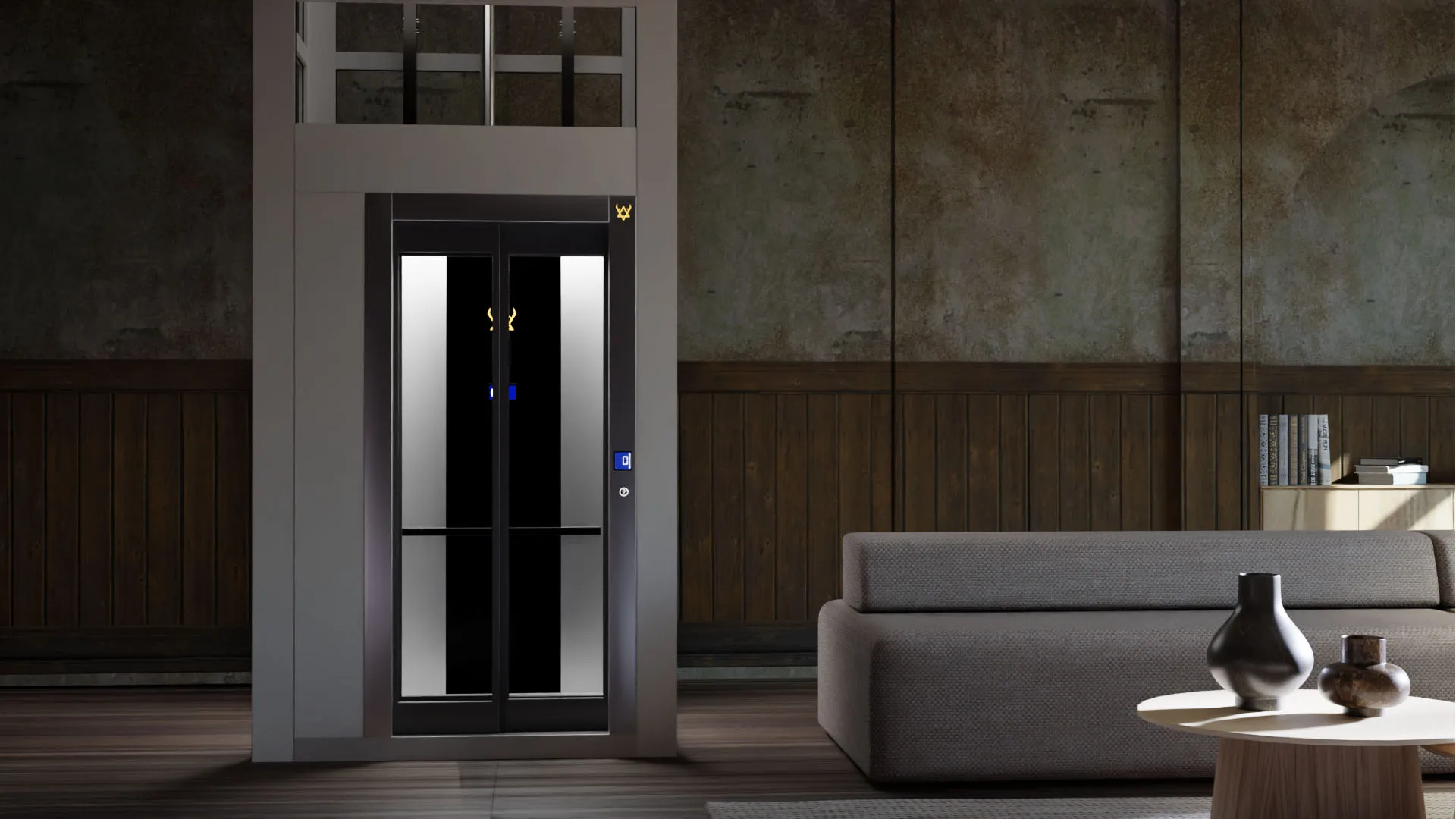
What Home Lift Designs Are Available in India, and How Do You Pick One?
Planning to Install a Home Elevator?
Let our experts help you find the perfect elevator for your home. Get personalized guidance from our team
In This Guide
Key Takeaways
- ✓ A lift's design is everything you see and touch. That means the cabin walls, floor, lighting, doors, control panel and handrails, and each one can be chosen on its own.
- ✓ Structure comes first, finishes second. Your floors and space decide the lift's size and type, and the finishes work inside those limits.
- ✓ Pick a style direction before the finishes. Most homes choose one of three looks: blending into the interior, a warm homely feel, or one standout feature.
- ✓ Choose with daily use in mind. Think about who rides every day, what the door opens onto and how much cleaning you will do, and make just one feature special.
- ✓ Design usually affects the cost less than floors and technology do. Ask for the base lift quoted first and each design upgrade as its own line.
Introduction
A home lift is seen and touched every day, so its design matters as much as its engineering. Home lift designs in India vary by cabin style, finish and door type, and the right one depends on your interiors, your space and who uses the lift.
First, you will see the main design options. Then you will learn how to pick the one that fits your home and your budget.
What Home Lift Designs Are Available in India?
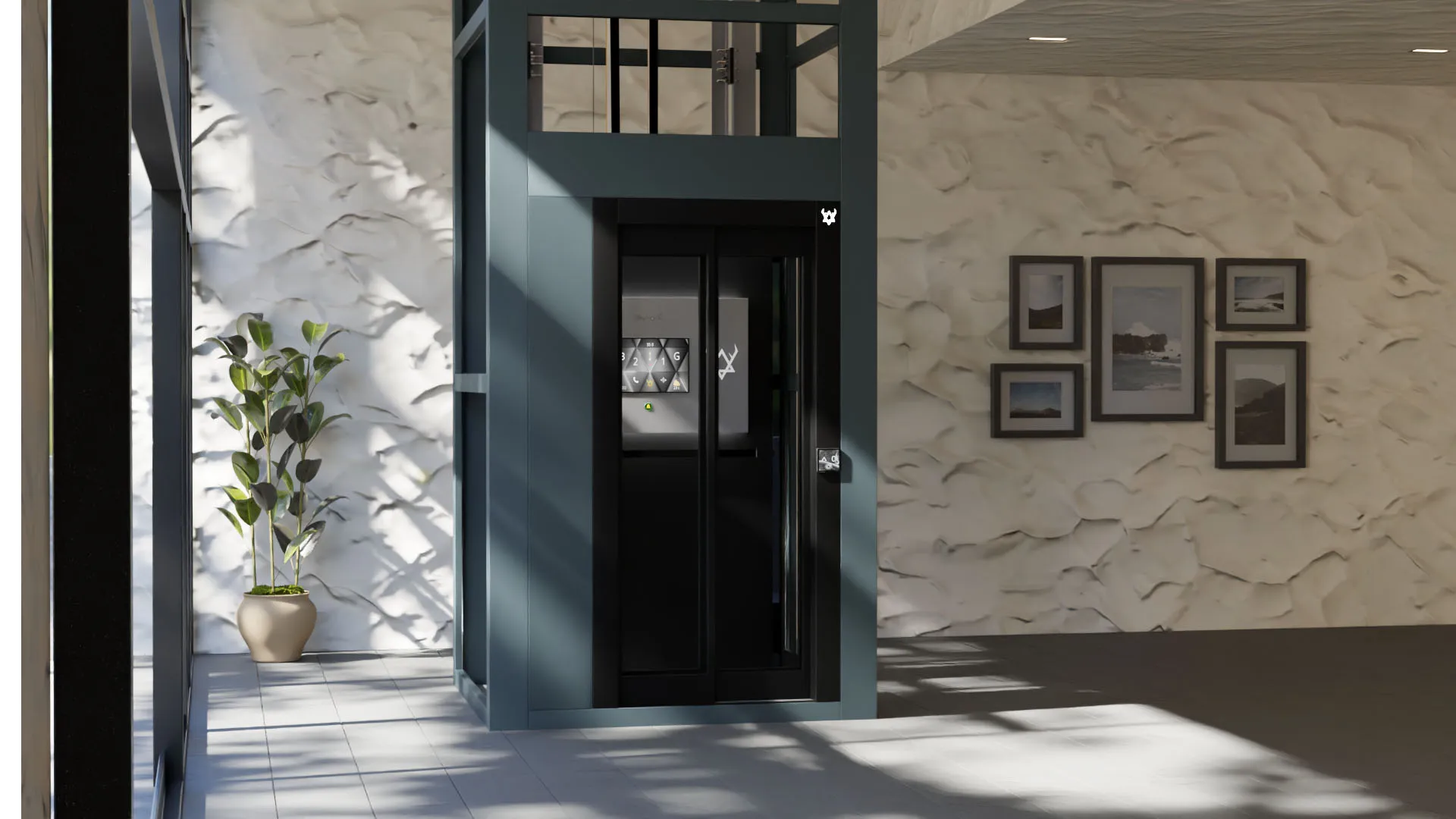
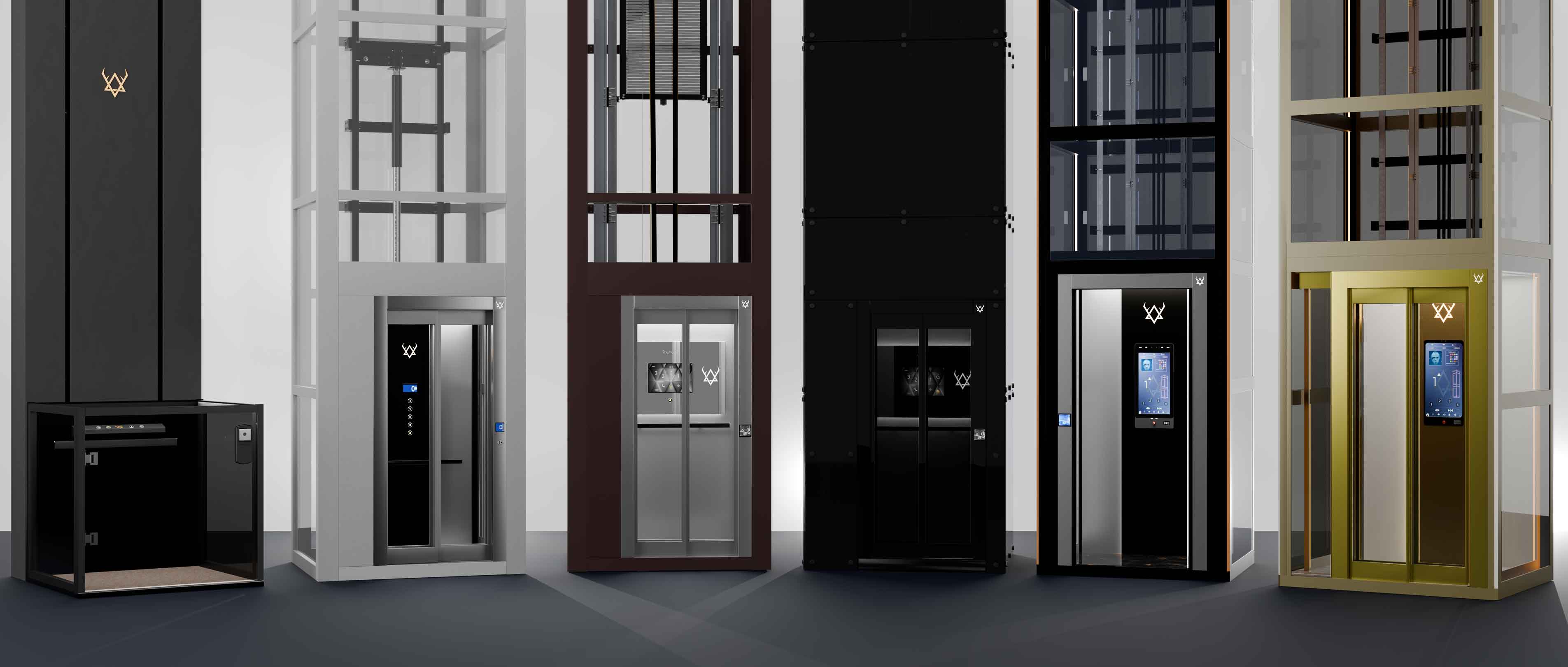
A lift's look comes down to six choices: cabin walls, flooring, ceiling and lighting, doors, the control panel and handrails. Some models also let you choose the finish of the shaft. Each choice can be made on its own, so two lifts of the same size can look completely different.
Two layers of residential elevator design
Every residential elevator design has a structural layer and a finish layer.
1. Structural layer: the lift technology (such as hydraulic or gearless), cabin size and shaft. Your floors and space decide these, and they set how much room the design has to work with.
2. Finish layer: the six choices above. This is where almost all of your design decisions sit.
Decide the structure first
The finish layer works inside the limits of the structural one. In a compact cabin, thick wall panelling can take up room that passengers need, so slimmer finishes often suit it better.
Home Lift Cabin Design: Walls, Floors and Lighting
A lift cabin comes down to three surfaces: the walls, the floor and the lighting. The walls set the style, the floor sets safety and comfort, and the lighting sets the mood. Each option has a practical trade-off, so look at upkeep as well as looks.
Walls
1. Wood-look laminate: warm and homely, available in many patterns, and good at hiding small scuffs.
2. Stainless steel: easy to wipe and hard-wearing, but it shows fingerprints. A brushed finish hides them better than a polished one.
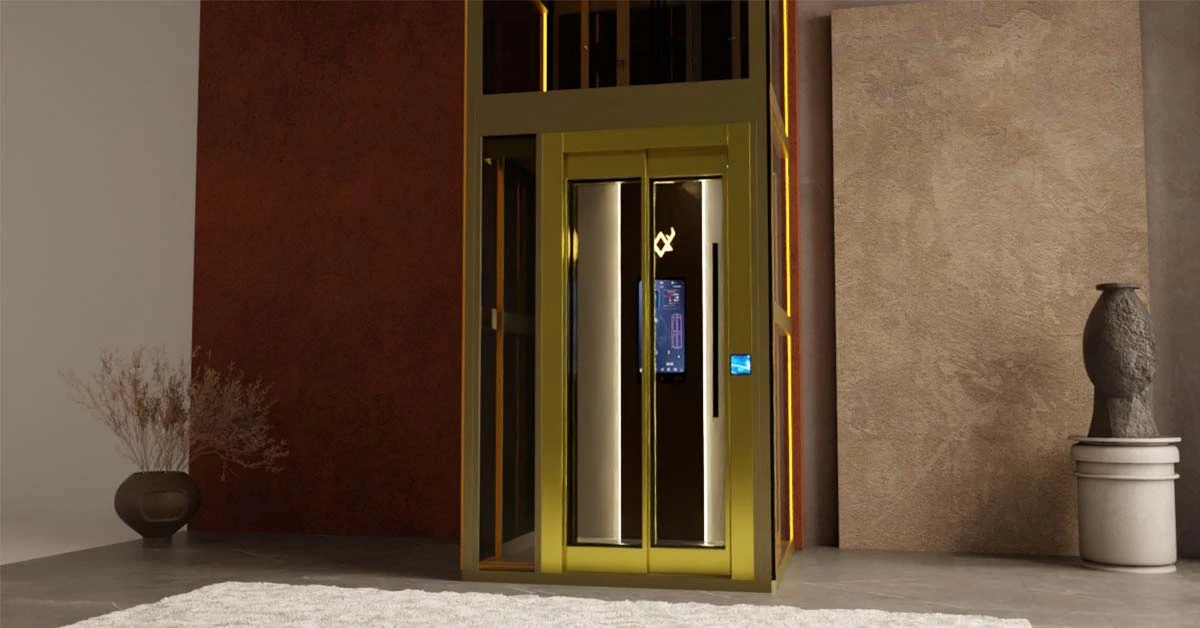
3. Glass panels: bright and open, so a small cabin feels larger, but they need regular cleaning.
4. Mirror: adds a sense of space, but it shows fingerprints and marks.
Floor
The floor matters most for safety, so choose an anti-slip surface first and a look second. Matching the landing floor gives a smooth, continuous look from the room into the cabin.
Lighting
Soft, warm ceiling lights suit a home best. Harsh white light feels like an office. Choose lighting that is bright enough to read floor buttons without glare.
For a premium cabin with design-led finishes, look at the Ultra gearless home elevator.
Check samples inside the cabin
Finishes look different in a showroom than inside a lift, so ask to see samples under the cabin's own light.
Doors, Panels and Handrails: The Parts You Touch Every Day
In a good lift design for home, the doors, control panel and handrails are chosen for ease of use first and looks second, because you use them on every ride. Match their metal finish so they look like one set.
Doors
Automatic sliding doors: they need no swing space, so they suit narrow corridors and are easier for anyone carrying bags or using a wheelchair.
Swing doors: a simple, familiar option, but they need clear floor space to open.
A glass panel in the door: it lets you see whether the cabin has arrived, and it brings light to a dim landing.
Control panel
Choose large, well-spaced buttons that are easy to read in low light and sit at a height everyone in the family can reach.
Handrails
A handrail gives steady support when the cabin starts and stops, which matters most for older family members. Choose a thick, easy-to-grip rail over a thin decorative one.
If a wheelchair user will ride every day or space is very tight, the platform lift is worth a look.
Modern Lift Design for Home in India: What Homeowners Are Choosing
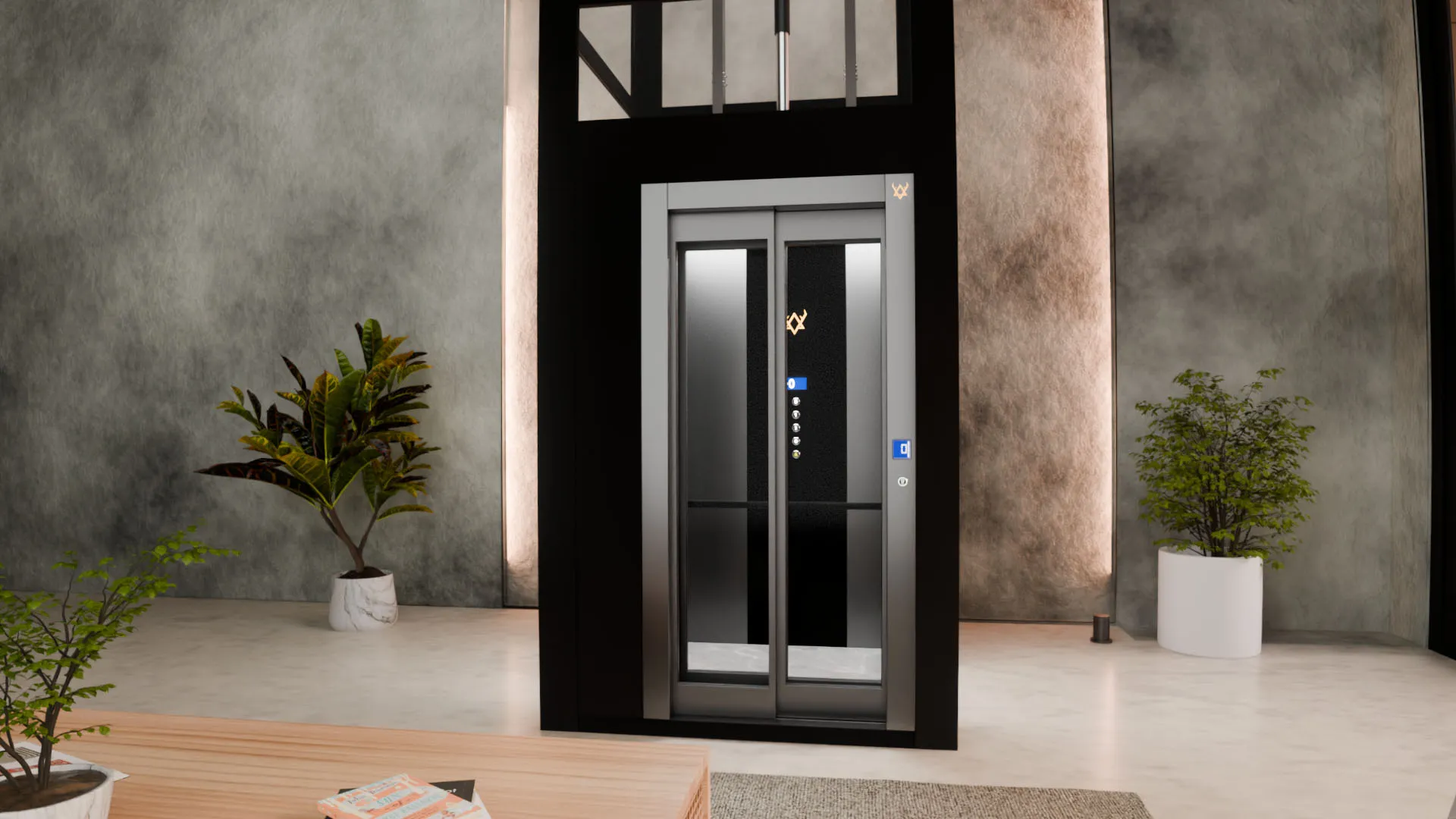
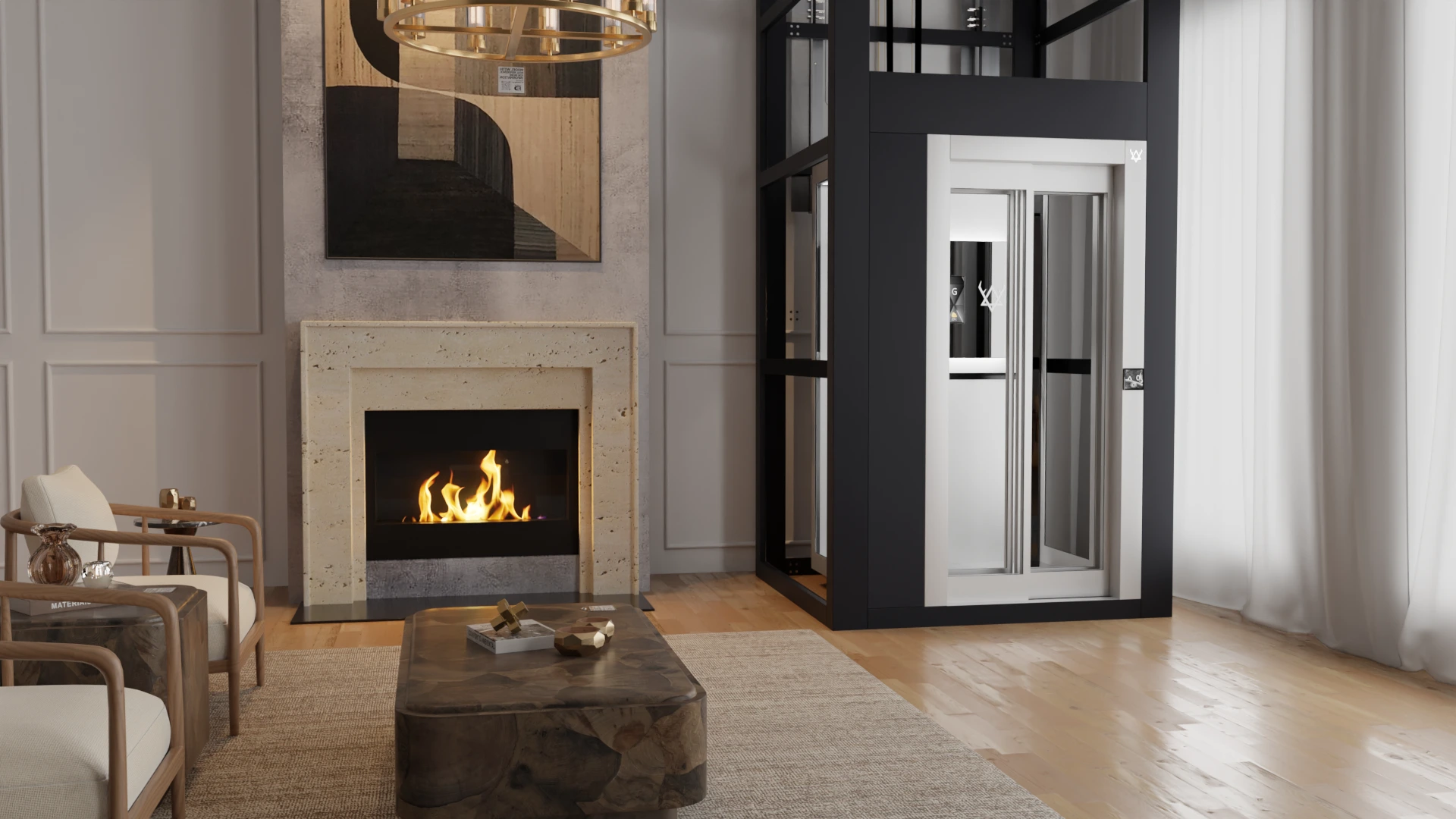
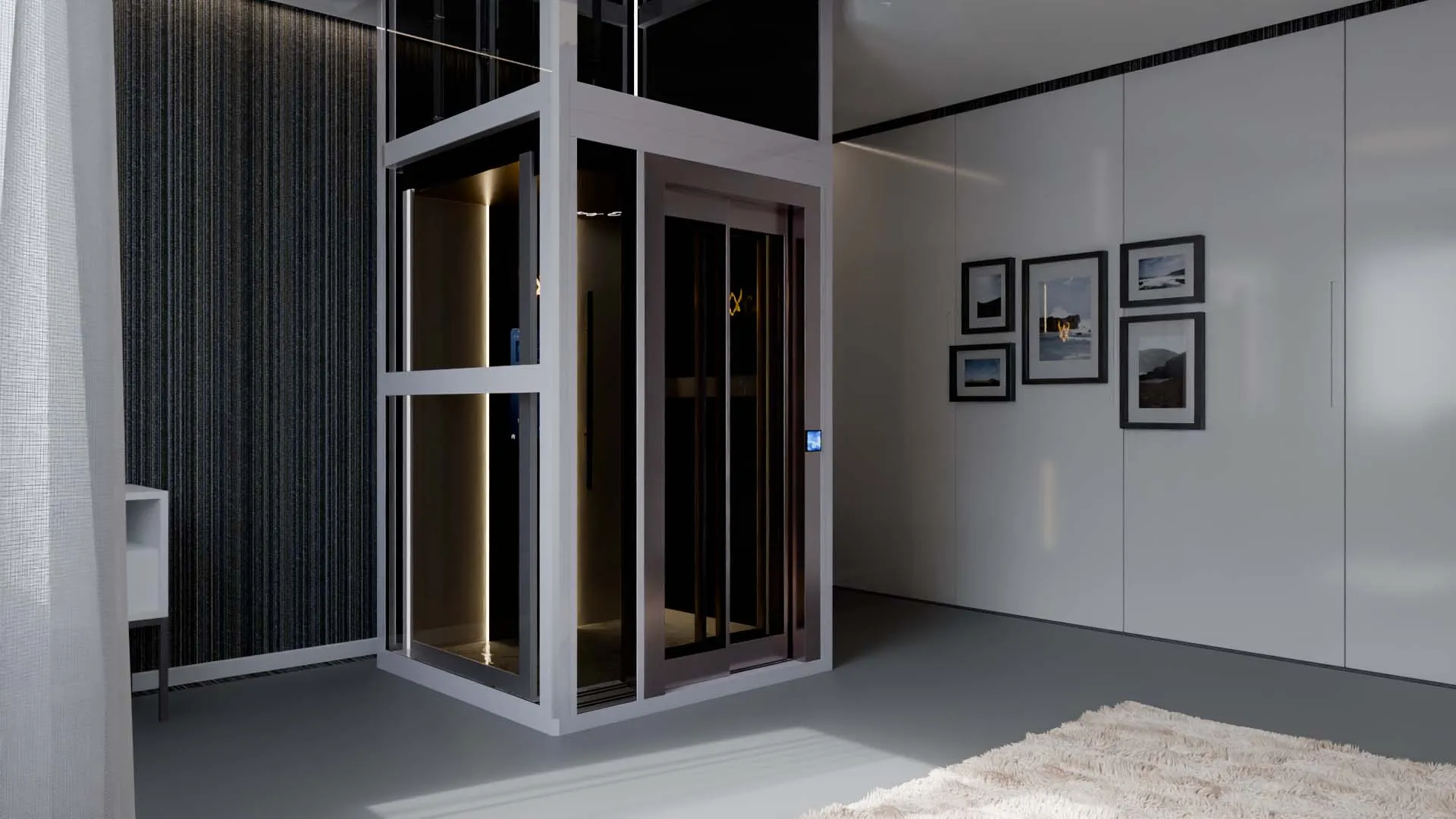
Modern residential elevators usually follow one of three design directions: blending into the interior, warming it up, or standing out as a feature. Choose the direction first, then the finishes that support it.
Blend in
Neutral colours, flush surfaces and simple lines make the lift look like part of the wall. This suits smaller homes and quiet, minimal interiors. A quiet, compact lift such as the gearless belt-drive elevator suits this look.
Warm and homely
Natural tones and soft lighting carry the feel of the living room into the cabin. This suits family homes where the lift is used by everyone, every day.
Stand out
A bold finish or a glass-fronted cabin turns the lift into a feature of the room. This suits open-plan homes where the lift is always in view.
Pick a direction that lasts
Home lift design trends in India change faster than a lift does, so choose a direction you will still like years from now. A neutral base with one feature, such as the lighting, is easier to live with than a design built around a single trend.
How Do You Pick a Home Lift Design?
Choose in this order: who uses the lift, where it will be seen, how much upkeep you accept, and where to spend. This order stops you from picking a finish you love in a showroom and regret at home.
1. Who uses it every day
Start with the people, not the looks. A household with older parents or young children needs clear buttons, firm handrails and good lighting before anything decorative.
2. Where it will be seen
Look at the landing the lift door opens onto, because that is the view you will see most. The door and the wall around it should sit comfortably with the room's colours.
3. How much upkeep you accept
Every finish asks something of you. Decide how often you are willing to clean and polish, then choose finishes that match that habit.
4. Where to spend
Pick one feature to make special, such as the lighting or the door, and keep the rest simple. A lift with one standout feature looks designed. A lift with many looks crowded.
Which Design Suits Which Home?
The best design is the one that matches how your home is used, not the one that looks best in a picture. This table matches four common home situations to a design choice, with one check to bring to your site visit.
Your home | Design choice | Check before you choose |
|---|---|---|
Compact cabin in a small home | Light wall colour with a mirror or glass panel | The cabin's inside size after the finish is added |
Dim or narrow landing | Glass panel in the door and a light door finish | How the landing light falls on the door |
Busy family home with many trips a day | Wood-look laminate or brushed steel | How scuffs and fingerprints show on a sample |
Older family member in the home | Anti-slip floor, thick handrail and automatic doors | Door opening width and handrail height |
Does Design Change the Price of a Home Lift?
Yes, but usually less than the number of floors and the lift technology do. Premium materials, glass and custom details add to the cost, while a standard finish keeps it lower.
What tends to add cost
1. Glass panels and glass doors
2. Custom-made or imported finishes
3. Automatic doors in place of manual ones
4. Special lighting or one-off features
How to keep it in check
Ask for the base lift to be quoted first, then ask for each design upgrade as its own line. This shows what each upgrade costs, so you can drop the ones that are not worth it before you commit.
Why Stag Elevators for Home Lift Designs
Stag Elevators makes TÜV SÜD certified, tailor-made home elevators, so your choice of home lift designs is built around your space and checked for safety by an independent third party.
1. Tailor-made, not catalogue: your shaft, floor height and layout decide the design, and the interiors, fixtures and doors are chosen to suit your home.
2. Safety stays the same whatever the finish: every Stag home elevator carries independent TÜV SÜD certification, and each lift goes through over 194 safety checks.
3. See the finishes in person: you can visit a Stag Experience Center to look at samples before you decide.
Final Thoughts
The best home lift designs suit the people who use the lift, the room it opens into, and the upkeep you are happy with. Start there, make one feature special, and keep the rest simple. Whatever finish you choose, ask for independent safety certification. Get that right, and the lift will look good and work well for years.
Frequently Asked Questions
1. When should I decide on the lift design for a new home?
Decide the lift's position and size early, at the plan stage, and the finishes once your interior colours and flooring are chosen. Do both before manufacturing starts, because the cabin and doors are made to measure. Share your floor plans and interior scheme with the lift company early, so the lift and the interior are planned together.
2. Can I approve the design before the lift is made?
Yes, and you should. Ask for a drawing or visual of the cabin and landing doors, plus finish samples, and approve them in writing before manufacturing begins. Changes after that point are hard and can add cost and delay.
3. Does a custom lift design take longer to make?
It can. Standard finishes are quicker, while custom or imported finishes can add time to making the lift. Decide the finishes before you order and ask for a written schedule with the handover date.
4. Does changing the cabin design affect the lift's safety certification?
It can, if the change goes beyond the maker's approved options. Certification covers the lift as it was tested, so finishes within the approved range are fine, but heavier panels, a larger cabin or a different door type may need fresh approval. Ask the maker to confirm in writing that the certificate covers your exact cabin design, and name the certifying body, such as TÜV SÜD.
5. Does a custom finish affect the lift's warranty?
Warranty terms differ by company, so check what they say about finishes. Ask whether paint, laminate, glass and lighting are covered, what counts as normal wear, and how long each part is covered, and get the answers in writing before you approve the design.
6. How do I start designing a home lift with Stag Elevators?
Start with a site visit. Share your floor plans or photos, the space you have, a photo of the landing where the lift will open, and the look you want. The Stag team will assess the space, recommend a lift and design, and give you a quote after the visit.
7. How do I clean and care for a lift cabin?
Use a soft, lint-free cloth and a mild cleaner, and avoid harsh or scratchy products. Wipe steel along its grain, and dry glass and mirrors to avoid streaks. Ask the maker for a care guide for your finish.
8. Can I change a home lift's design after it is installed?
Some parts, yes. Surface items such as lighting, flooring and wall finishes can often be refreshed, but the cabin size, shaft and door opening cannot be changed. Ask the lift's maker or service provider what is possible before you order any work.
Author Bio

Vinoth Kannan
Vinoth Kannan is the CTO and Co-Founder of Stag Elevators, bringing years of technical expertise in designing safe and reliable home elevator systems. He leads the engineering, product innovation, and TÜV SÜD-certified quality processes that power Stag’s European-standard home lifts. His work ensures homeowners receive trusted, high-performance elevator solutions built for the future.
Ready to Install a Home Elevator in Your Home?
Get a personalized quote and expert guidance from Stag Elevators.