Glass Lift for Home: The Best Choice for Modern Indian Homeowners
In This Guide
Key Takeaways
- ✓ A glass lift for home adds a modern look, allows natural light to pass between floors, and makes your interiors feel more open.
- ✓ Choose from tempered, laminated, frosted, or tinted glass based on safety requirements, privacy, and your home's interior design.
- ✓ The glass lift price depends on factors such as glass type, cabin design, number of floors, frame finish, and civil work requirements.
- ✓ Glass elevators are especially suitable for modern villas, open staircases, and central foyers, but regular cleaning is needed to keep the glass looking clear.
- ✓ STAG Elevators offers glass cabin options with hydraulic, gearless, and ultra-gearless models, allowing homeowners to combine their preferred lift technology with a transparent, stylish design.
Introduction
There is a quiet but visible shift happening in how Indian homeowners think about home elevators. A lift used to be something you tucked away — a functional box hidden beside the staircase, finished in whatever material was most practical. That thinking is changing fast.
A glass lift for home is not just a mobility solution anymore. For modern Indian homeowners, it has become a design statement — one that opens up interiors, lets light travel between floors, and signals a level of thoughtfulness in how a home was built.
But a glass lift is also a considered investment. It costs more than a standard cabin elevator, requires slightly more maintenance, and does not suit every home equally. Understanding what it offers — and where it genuinely makes sense — Getting that clarity before you decide is exactly what this guide delivers.
Whether you are constructing a new home, upgrading an existing one, or simply exploring your options, this guide gives you a clear, honest picture of what a glass lift home actually delivers for Indian homeowners today.
What Makes a Glass Lift Different from a Standard Home Elevator?
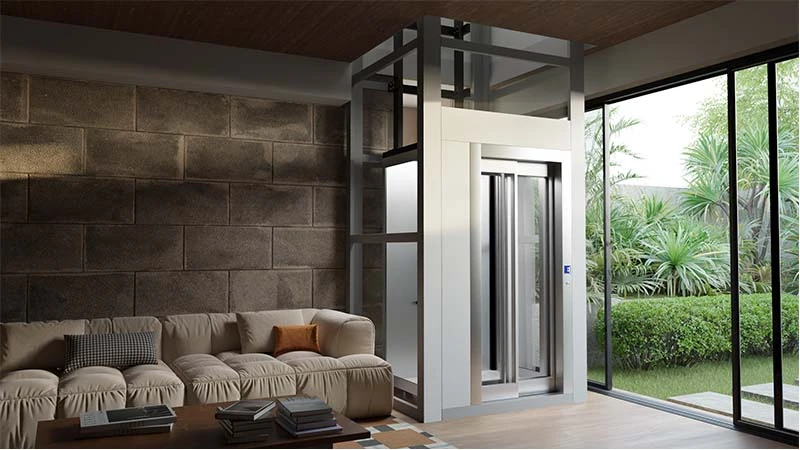
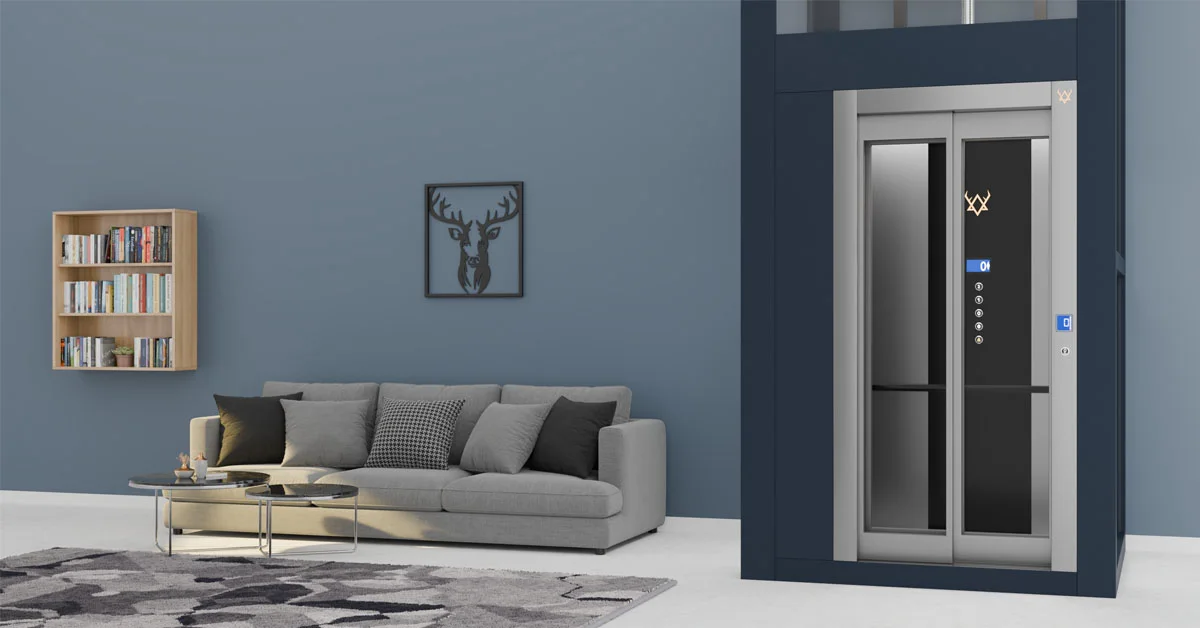
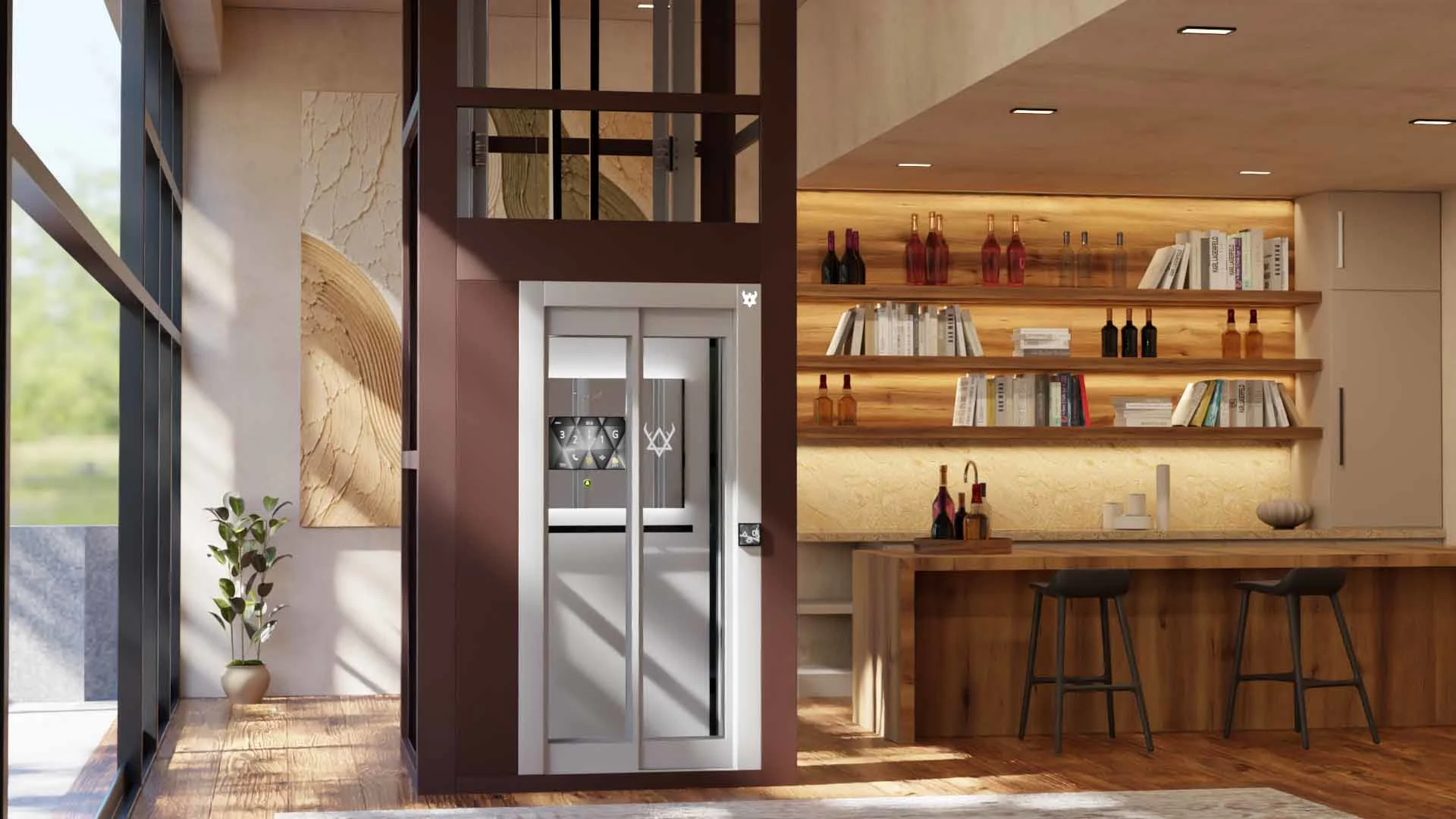
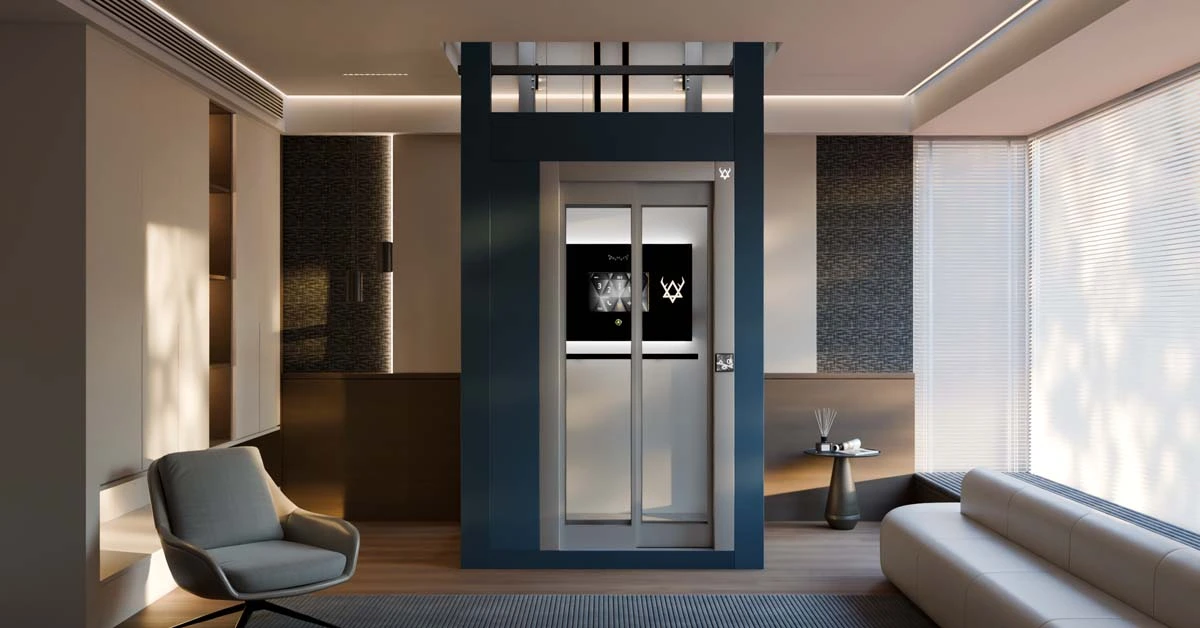
The most obvious difference is visibility. A standard home elevator encloses the cabin in metal, wood, or composite panels — the ride happens inside a closed box. A residential glass elevator replaces those solid walls with safety-rated transparent panels, making the cabin open to the eye while remaining fully enclosed for safety.
But the difference goes beyond aesthetics. Here is what actually changes when you choose glass over a standard cabin:
Light Behaviour: A glass cabin does not block light — it passes through it. In homes where the lift shaft runs through the centre of the building, a glass elevator effectively becomes a light channel, allowing natural light to filter down through multiple floors rather than creating a dark, enclosed column in the middle of the home.
Spatial Perception: A solid cabin in a compact space can feel heavy and intrusive. A glass cabin in the same space feels like it belongs — the transparency removes the visual bulk, making the lift feel like a natural extension of the interior rather than an addition to it.
Architectural Role: In a standard elevator, the lift is a utility. In a well-positioned glass elevator, it becomes a feature — something architects and interior designers actively plan around, not just accommodate
Maintenance Reality: Glass panels need regular cleaning to stay looking sharp. This is a minor but real difference from standard cabins, where surface marks are less visible. It is worth factoring in before you decide.
Types of Glass Used in Residential Glass Elevators
Not all glass is equal — and in a home elevator, the type of glass used directly affects safety, durability, privacy, and how the cabin looks over time. Here is what is available and what each option actually means for your home:
Tempered (Toughened) Glass
Tempered glass is heat-treated to be significantly stronger than standard glass. If it breaks under extreme impact, When it breaks, the pieces are small and rounded instead of forming dangerous sharp shards, which lowers the chance of injury. It is the most commonly used glass in residential elevator cabins because it offers a strong balance of clarity, strength, and cost-effectiveness.
Laminated Safety Glass
Laminated Safety Glass combines two or more sheets of glass with a plastic layer bonded between them. If the outer layer breaks, the interlayer holds the fragments in place — the panel stays intact rather than collapsing. This makes it the safer option for elevator cabins where structural integrity during an incident matters most. Many premium glass elevators use laminated glass for exactly this reason.
Frosted or Etched Glass
For homeowners who want the openness of a glass cabin without full transparency — perhaps because the elevator shaft passes through a bedroom floor or a private area — frosted or etched glass offers a middle ground. It diffuses light and maintains privacy while still delivering the visual lightness of a glass cabin.
Smoked or Tinted Glass
Smoked glass adds a contemporary, premium aesthetic to the cabin while reducing the visibility into the elevator from outside. It suits homes with a darker, more dramatic interior design language and is often chosen in premium villas where the lift is a deliberate design feature.
What to Always Confirm
Regardless of which glass type you choose, always verify that the panels are independently tested and certified to recognised safety standards. The glass in a home elevator is not decorative — it is structural, and it needs to perform reliably under daily use for many years.
Design Possibilities — What Can Be Customised?
One of the strongest arguments for choosing glass elevators is the level of customisation available. Unlike standard cabin elevators where design choices are limited, a glass elevator can be tailored to match your home’s interior language almost entirely. Here is what can be personalised:
Cabin Shape: Glass elevator cabins are available in square, rectangular, and curved configurations. Curved or panoramic cabins create a more dramatic visual effect and are often chosen when the elevator is positioned as a centrepiece in the home — in a foyer or alongside an open staircase.
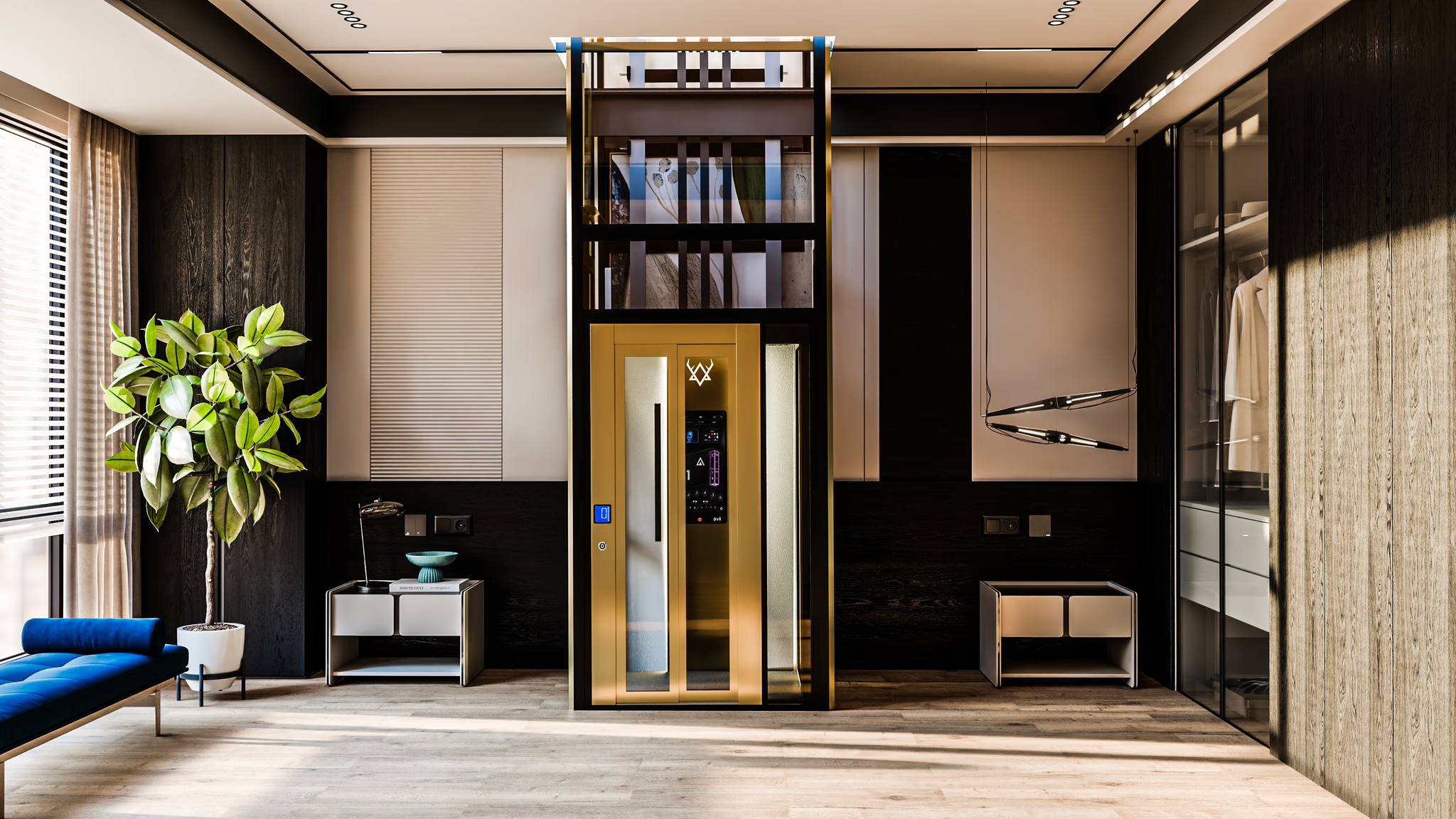
Frame Design: The structural frame holding the glass panels together can be finished in different materials and colours — stainless steel, matte black, brushed gold, or powder-coated finishes. The frame is often the detail that ties the elevator’s look to the rest of the home’s hardware and fixtures.
Flooring: Cabin flooring can be finished in marble, engineered wood, ceramic tile, or glass — depending on the overall interior style. The floor is one of the most visible elements of the cabin from outside, so matching it to the home’s existing flooring creates a seamless visual connection.
Lighting: Lighting inside a glass cabin needs more thought than in a standard elevator — because the transparency means the light source is visible from outside. Ambient strip lighting along the frame edges, recessed ceiling panels, or backlit flooring are all options that add to the cabin’s visual impact without creating glare.
Door Configuration: Glass cabin doors can be configured as automatic sliding, manual swing, or bi-fold depending on the available space and the home’s layout. Sliding doors are the most practical in tight spaces, while swing doors suit larger, more open installations.
Privacy Options: For installations where the shaft passes through private areas, the glass panels can incorporate frosted, smoked, or switchable smart glass — which transitions from clear to frosted with a simple button press. This adds both privacy and a premium technology element to the installation.
Glass Lift for Home: Best Use Cases in Indian Homes
A glass elevator does not suit every home equally. The table below maps specific home types and situations to whether a glass lift is the right choice — helping you assess your own home honestly before making a decision.
Home Situation | Does a Glass Lift Work Well? | Why |
|---|---|---|
New villa with open, contemporary interiors | ✅ Ideal | Glass suits the open, modern style of the home and adds a striking focal point |
Multi-floor home with limited natural light on lower floors | ✅ Ideal | A glass shaft allows natural light to travel between floors, brightening the whole home |
Lift positioned in foyer or central stairwell | ✅ Ideal | A visible location makes glass the most natural and attractive choice |
Home with traditional or heavily decorated interiors | ⚠️ Consider Carefully | Glass may not blend well with a classic or ornate home style |
Lift shaft passing through private bedroom areas | ⚠️ Consider Carefully | Frosted or smoked glass is recommended for privacy in these areas |
Budget-conscious installation | ⚠️ Consider Carefully | Glass lifts cost more upfront than standard cabin elevators |
This table is not a definitive answer — it is a starting point for an honest conversation with your elevator company during the site visit.
What Affects the Domestic Lift Price for a Glass Elevator?
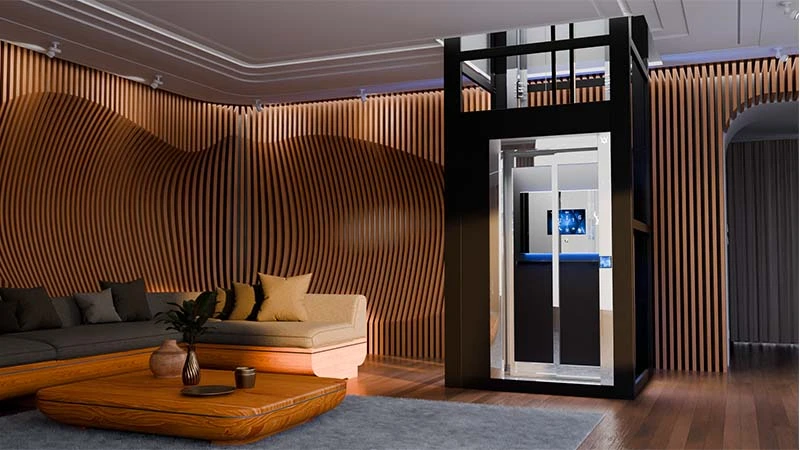
A glass elevator for home typically costs more than a standard cabin elevator — but the final price varies significantly depending on several factors. Understanding what drives that variation helps you plan your budget realistically before getting a quote.
Type of Glass
The glass specification has a direct impact on price. Tempered (toughened) glass is the most affordable option, while laminated safety glass, frosted panels, or smart switchable glass all carry a higher cost. The thicker and more specialised the glass, the more it adds to the overall price.
Cabin Shape and Size
A standard square or rectangular cabin costs less than a curved or panoramic design. Larger cabins require more glass surface area, stronger framing, and a bigger motor — all of which increase the price.
Frame Finish and Interior Customisation
A basic stainless steel frame keeps the cost lower. Premium finishes — matte black, brushed gold, or custom powder coating — add to the price, as do flooring upgrades, specialty lighting, and door configurations.
Number of Floors
As with any home elevator, every additional floor adds travel height, an extra landing door, and stronger safety components. A glass lift across four floors will always cost more than the same model across two floors.
Civil Work Required
If the installation requires a new shaft to be built, structural modifications, or significant preparation work, these civil costs add to the overall project budget. Homes where the shaft space is already available or planned in advance tend to have lower total installation costs.
Certification and Safety Standards
A glass elevator independently certified by a recognised body such as TÜV SÜD will carry a higher upfront cost than an uncertified alternative. That certification, however, confirms the glass, frame, and safety systems have all been independently tested — which matters significantly for a product your family uses every day.
Is a Glass Lift Right for Every Home?
Glass lifts are not a universal upgrade — they work exceptionally well in some homes and add little in others.
The placement of the lift matters more than most homeowners realise. A glass cabin positioned in a central, visible location — a foyer, an open stairwell, or alongside a living area — delivers its full visual impact. The same cabin tucked behind a wall or hidden in a service corridor gives up most of that benefit for a significantly higher price. Before choosing glass, think about where your lift will actually sit in the home and who will see it.
The interior style of your home matters equally. Contemporary, minimalist, and open interiors complement glass naturally — the transparency feels like it belongs. Homes with traditional or heavily ornate design — carved woodwork, warm textures, classical finishes — often suit a premium standard cabin better. Glass in that setting can feel like it is competing with the interior rather than completing it.
Maintenance is a practical consideration worth being upfront about. Glass surfaces collect fingerprints, dust, and smudges more visibly than solid panels. In an active household, keeping the cabin looking as sharp as it did on day one requires more regular cleaning than a standard elevator. For most homeowners, this is a small trade-off — but it is one worth knowing before you decide.
Finally, if the primary reason for installing a lift is accessibility — for an elderly family member or someone with mobility challenges — the cabin material is secondary to safety certification, door width, and cabin dimensions. In these situations, a well-engineered standard cabin or a platform lift often delivers better value at a lower cost.
Why Choose Stag Elevators for Your Glass Lift
Among residential lift manufacturers in India, what separates a genuinely reliable company from the rest is not the product catalogue — it is the engineering behind every installation and the support that follows it.
Here is what Stag Elevators brings specifically to a glass lift installation:
Custom-Engineered Around Your Home
A glass lift is far more sensitive to installation quality than a standard cabin elevator. The shaft dimensions, frame alignment, and glass panel positioning all need to be precise — a poor fit shows immediately in a transparent cabin in a way it simply does not in a solid one. Stag Elevators custom-engineers every installation around your home’s actual space, ensuring the result looks as considered as it functions.
TÜV SÜD Certified Safety
Every Stag home elevator — including glass cabin configurations — carries independent TÜV SÜD certification. For a glass lift for home use, this matters even more than usual. The certification confirms that the glass panels, frame, safety systems, and emergency features have all been independently tested — not just assembled and assumed to be safe.
Glass Cabin Options Across Product Range
Whether you choose the SE-2 hydraulic lifts, SE-3 gearless elevators, or SE-3 Ultra Gearless Lifts, Stag Elevators offers glass cabin configurations across its residential range — giving homeowners the ability to combine their preferred technology with the aesthetic of a transparent cabin.
Italian Design Components
Select Stag elevator models incorporate components and design elements sourced from Italy — bringing a level of finish and refinement to the cabin interior that complements the premium aesthetic a glass elevator is chosen for in the first place.
Zero AMC on Select Models
A glass lift is a long-term investment. Stag Elevators offers zero annual maintenance charges on select models — removing recurring servicing costs and making ownership more predictable over the years.
End-to-End Support
From site visit and technical drawing through manufacturing, installation, and long-term after-sales service — Stag Elevators manages everything in-house. For a glass lift installation where precision matters at every stage, having one accountable team throughout the process is not a convenience — it is a requirement.
Get in Touch With Stag Elevators
A glass elevator for home is one of the most visible investments you will make in your home — and getting it right starts with a proper site visit. Every home is different, and the only way to know whether a glass elevator genuinely suits your space, your interior, and your budget is through a direct assessment by an experienced technical team.
Whether you are building a new home or upgrading an existing one, the Stag Elevators team will guide you through every option — clearly, honestly, and without pressure.
Contact Stag Elevators Today:
📞 India: +91-9900111082
✉️ Email: info@stagelevators.com
Final Thoughts
A glass lift for home is one of the few upgrades that changes how a home feels — not just how it functions. The transparency, the light, the visual openness it creates across floors — these are not small details. In the right home, they transform the interior in a way that no other elevator type can replicate.
But it is also a decision that deserves careful thought. The placement, the interior style, the maintenance commitment, and the budget all matter — and getting them right is what separates a glass elevator that becomes the centrepiece of a home from one that simply costs more than it needed to.
The best starting point is always a proper site visit — where the available space, the home’s design, and your family’s actual needs can all be assessed together before any decision is made.
Frequently Asked Questions
1. Is a glass lift for home more expensive than a standard cabin elevator?
Yes — glass lifts carry a higher starting price than standard cabin elevators due to the safety-rated glass, specialised framing, and additional engineering involved. The final price depends on the glass type, cabin shape, number of floors, and level of customisation chosen.
2. How much does the cabin size affect the overall look of a glass elevator?
A larger glass cabin creates a more dramatic visual impact — more glass surface area means more light passes through and the transparency is more noticeable. A compact cabin still delivers the glass aesthetic but in a more understated way. The right size depends on your shaft space and how prominent you want the lift to appear in your home.
3. Is the glass used in home elevators strong enough to be safe?
Yes — certified glass elevators use tempered (toughened) or laminated safety glass, both of which are engineered to withstand daily impact and pressure. Always ask for independent certification such as TÜV SÜD to confirm the glass and safety systems have been properly tested.
4. Can a glass elevator be installed in an already-built home without major construction?
Yes. Most modern glass elevators are designed to require minimal civil work — no deep pit, no separate machine room. A site visit confirms exactly what preparation your specific home needs before installation begins.
5. Does Stag Elevators offer glass cabin options across its product range?
Yes. Stag Elevators offers glass cabin configurations across its residential range — including the SE-2 hydraulic, SE-3 Gearless Elevators, and SE-3 Ultra — allowing homeowners to combine their preferred technology with a transparent cabin finish.
6. Do glass elevators require more maintenance than standard home elevators?
Structurally, maintenance requirements are similar. The main difference is that glass surfaces need more frequent cleaning to stay looking sharp — fingerprints and dust are more visible on transparent panels than on solid cabin walls.
7. Can a glass lift for a house be customised for privacy if the shaft passes through a bedroom floor?
Yes — frosted, smoked, or smart switchable glass panels can be used in areas where privacy is needed. Switchable glass transitions from transparent to opaque at the touch of a button, combining privacy with a premium technology feature.
8. What types of homes suit a glass elevator for home best?
Glass elevators work best in contemporary or minimalist homes where the lift is positioned in a visible, central location — such as a foyer or open stairwell. Homes with traditional interiors or hidden lift placements tend to get less value from the glass cabin's visual impact.
Ready to Install a Home Elevator in Your Home?
Get a personalized quote and expert guidance from Stag Elevators.