How Much Does a Home Lift Cost in Chennai in 2026? (Complete Price Guide)

Installing a home lift in Chennai has become a practical solution for accessibility, daily convenience, and future-ready living. With the rise of multi-storey villas and duplex homes across the city, homeowners are increasingly asking one crucial question:

What is the home lift cost in Chennai in 2026?

In 2026, the price of a home elevators in Chennai typically starts from ₹12–15 lakhs and can go up to ₹30–40 lakhs, depending on the number of floors, lift technology, and customization. However, the final quotation depends on site conditions, structural readiness, and selected elevator technology.

This guide explains Chennai home lift pricing, cost breakdown by type, installation factors, maintenance expenses, and how to choose the right lift for your house without overspending.

Table of Contents

What is the Average Home Lift Price in Chennai in 2026

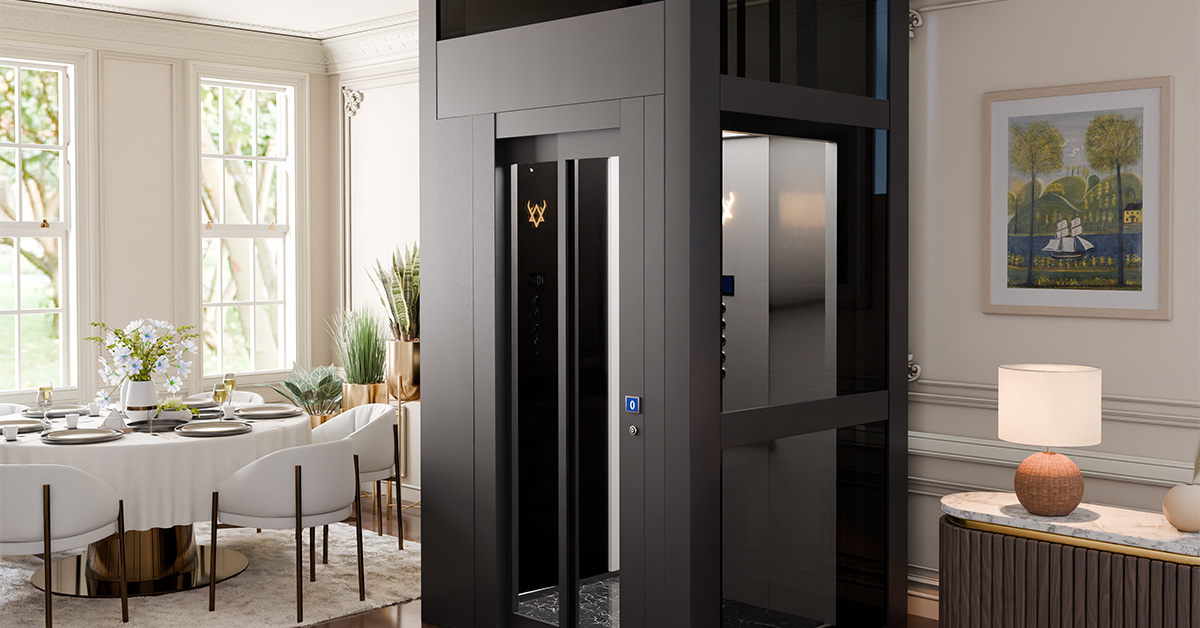
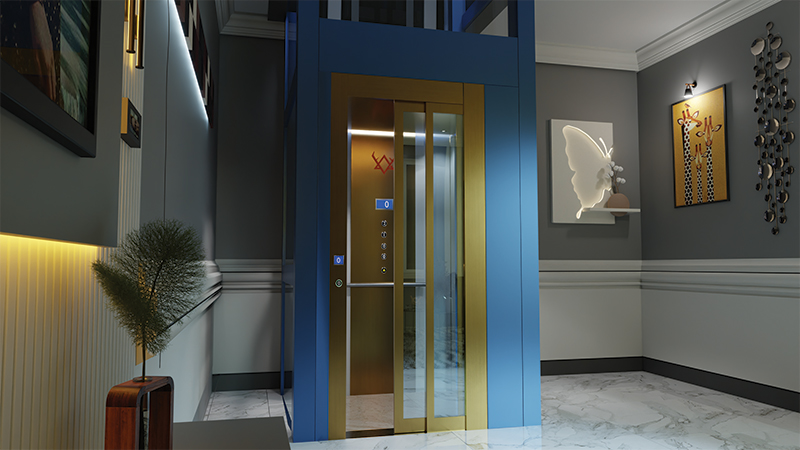
Home lift cost in Chennai for a modern residential villa installation in 2026

The average home lift price in Chennai in 2026 typically ranges between ₹12 lakhs and ₹18 lakhs for most standard residential installations. However, the final cost of a house lift in Chennai depends on the number of floors, total travel height, lift technology, cabin size, and interior customization. This is why the overall home lift cost in Chennai varies from one property to another. For example:


– A 2-floor home lift (G+1) in Chennai usually falls in the lower price range.

– A 3 or 4-floor villa lift with premium finishes will cost more due to increased travel height and material requirements.


When comparing residential lift prices in Chennai, it’s essential to understand that no two homes have the same structural layout. Site conditions, shaft availability, and power configuration can influence the final quotation. A proper site inspection is always recommended to get an accurate home lift cost estimate in Chennai.

Home Elevator Technologies and Types Explained (2026)

Before understanding pricing, it’s essential to know the different types of home elevator technologies available. Each system works differently, and the technology you choose directly affects cost, maintenance, safety, and long-term reliability.

Among all available options, gearless traction, hydraulic, and platform elevators are the most commonly preferred by homeowners due to safety, durability, and performance.

Let’s understand each type clearly.

1. Gearless Traction Elevators

Gearless traction elevators operate using a high-efficiency motor that drives a pulley system connected to reinforced belts (commonly used in modern home lifts) along with counterweights. The belt-driven mechanism reduces vibration, noise, and friction, resulting in smoother travel and very low maintenance compared to traditional geared systems.

  • Silent operation

  • Energy efficiency

  • Smooth ride quality

  • Suitable for multi-storey homes

These elevators typically require less maintenance than older systems. They are ideal for G+2, G+3, and higher travel heights.

Because of their performance and long-term reliability, many homeowners prefer this technology for premium residential installations.

2. Hydraulic Elevators

Hydraulic elevators work using a piston mechanism powered by pressurized hydraulic fluid, which pushes the elevator cabin upward and lowers it in a controlled manner when the fluid is released.

They are known for:

  • Strong lifting capacity

  • Stable movement

  • Suitable for low-rise homes

However, hydraulic systems may require a pit and more civil preparation. Maintenance depends on oil condition and mechanical wear over time.

They are commonly installed in houses and remain a trusted technology for residential applications.

3. Platform Elevators

Platform lifts can be designed with either hydraulic or gearless traction technology, depending on available space, load requirements, and structural conditions.

They are commonly used in:

  • Homes with limited space

  • Elder-friendly houses

  • Wheelchair access applications

These lifts generally do not require deep pits or machine rooms. Installation is faster, and civil work is minimal. They are suitable for low-rise residential usage.

For small homes or retrofit projects, platform elevators are often a practical solution.


4. Pneumatic (Vacuum) Elevators

Pneumatic elevators operate using air pressure differences inside a sealed vertical tube, where a vacuum pump removes air above the cabin to lift it upward and gradually equalizes pressure to bring it down.

They are usually chosen only when:

  • There is minimal structural space.

  • No shaft construction is possible.

  • Architectural design restrictions exist.

However, vacuum-based systems can present particular challenges:

  • Dependence on air pressure stability.

  • Risk of vacuum leakage over time.

  • Limited load capacity.

  • Higher service dependency.

Because of these limitations, homeowners generally consider pneumatic lifts only when other technologies are not feasible.

5. Screw-Driven Elevators

Screw-driven elevators use a rotating threaded steel screw and nut mechanism, in which the motor turns the screw shaft to move the cabin up or down mechanically along the vertical track.

This is considered an older mechanical technology and has:

  • Higher mechanical wear.

  • More moving parts.

  • Higher maintenance frequency.

  • Increased long-term servicing cost.

While still functional, screw-driven systems are less commonly preferred today due to maintenance intensity compared to gearless or hydraulic systems.

Home Lift Cost in Chennai: 10-Year Technology-Wise Price Comparission

Now that you understand how each home elevator technology works, the next important factor to consider is long-term ownership cost. The initial purchase price alone does not determine overall value. Maintenance frequency, mechanical wear, and system durability significantly influence the total expense over 10 years.

To help homeowners in Chennai make a practical decision, here is a simplified 10-year ownership cost comparison based on general industry trends.

Estimated 10-Year Ownership Cost Comparison (General Overview)

Technology Type Initial Cost Range Maintenance Trend (10 Years) Overall Long-Term Cost
Gearless Traction ₹15–25 Lakhs Very Low ✔ Most Cost-Efficient
Hydraulic ₹12–20 Lakhs Low–Moderate ✔ Moderate
Platform Elevator ₹12–16 Lakhs Low ✔ Moderate
Pneumatic (Vacuum) ₹12 Lakhs+ Moderate ✘ Moderate–High
Screw-Driven ₹12 Lakhs+ High ✘ Higher Over Time

Note: The prices and 10-year cost comparisons provided are estimated figures for general reference and may vary depending on installation requirements and maintenance practices.

What Factors Affect Home Lift Price in Chennai?

The price of a home lift is not fixed because every house has different structural conditions and usage requirements. Several technical and design factors directly influence the final home lift cost in Chennai.

Understanding these factors helps you avoid surprises and plan your budget accurately.


1. Number of Floors & Travel Height

The more floors the lift needs to serve, the higher the overall cost.

A lift installed in a G+1 home will cost less compared to a G+3 or G+4 installation because:

  • Travel height increases

  • More landing doors are required

  • Additional safety components are added

A higher travel height also affects motor capacity and the structural setup. As travel height increases, the total home lift cost in Chennai also rises proportionally.


2. Elevator Technology

The type of technology you choose plays a significant role in pricing.

  • Gearless traction systems are typically positioned in the premium range due to advanced performance and low maintenance.

  • Hydraulic systems fall in the mid-range category.

  • Platform lifts are usually more compact and cost-effective.

  • Pneumatic and screw-driven systems vary depending on application and limitations.

Technology affects both upfront cost and long-term maintenance expenses.


3. Cabin Size & Load Capacity

Home lifts are available in different passenger capacities, such as:

  • 2 passenger

  • 3 passenger

  • 4 passenger

  • Wheelchair-friendly configurations

Larger cabin sizes require stronger motors, reinforced structures, and wider landing doors — all of which increase pricing.


4. Customization & Interior Finishes

Interior aesthetics significantly influence the final cost.

Premium features may include:

  • Glass panels

  • Designer wall finishes

  • Customized flooring

  • Smart touch controls

  • Automatic doors

The more customized the lift, the higher the investment.


5. Structural Requirements & Space Availability

Space conditions within the home affect installation costs.

Factors include:

  • Pit depth availability

  • Headroom height

  • Shaft construction

  • Retrofitting requirements

Homes under construction usually allow for smoother and more cost-efficient installation than retrofit projects.


6. Safety Standards & Certification

Safety compliance also affects pricing.

Elevators designed to meet international safety standards and certified by organizations like TÜV SÜD may have a higher initial cost but offer:

  • Tested reliability

  • Long-term durability

  • Enhanced passenger safety

Investing in certified systems reduces risk and future maintenance complications.

Safety Features & Certifications to Consider Before Bying A Home Elevator

home-lift-prices-in-chennai-villa-installation

Safety should always be the priority when selecting a home elevator. Beyond price and design, homeowners must evaluate built-in safety systems and international certifications.

A properly engineered home lift should include the following essential safety features:


1. Emergency Brake System

Modern home elevators must have an automatic emergency braking system that activates immediately in the event of any abnormal movement or speed variation.

This prevents sudden drops and ensures passenger protection.


2. Battery Backup (Automatic Rescue Device – ARD)

In case of power failure, the lift should:

  • Automatically move to the nearest floor.

  • Open the door safely.

  • Allow passengers to exit.

Battery backup is critical for residential safety.


3. Overload Protection

A built-in load sensor prevents the lift from operating if the weight exceeds its rated capacity.

This protects both passengers and mechanical components.


4. Door Safety Sensors

Infrared or light curtain sensors detect obstacles and prevent doors from closing if something blocks the entrance.

This is especially important in homes with children and elderly residents.


5. Manual Lowering System

For hydraulic systems, manual lowering ensures safe cabin descent during technical faults.


6. Alarm & Emergency Communication System

Home lifts should include:

  • Emergency alarm button

  • Intercom or communication device

This ensures immediate assistance if required.


Necessary Certifications to Look For

Safety is not just about features — certification matters.

Home elevators should comply with recognized international safety standards and be tested by independent agencies such as:

TÜV SÜD

Certification ensures:

  • Compliance with European safety norms.

  • Rigorous product testing.

  • Quality-controlled manufacturing.

  • Reliable performance over time.

When investing in a home elevator, choosing a certified and tested system significantly reduces long-term safety risks.


Why Safety Should Never Be Compromised

A home elevator is a long-term installation used daily by family members, including children and elderly individuals.

Selecting a system with advanced safety mechanisms and proper certification ensures:

  • Peace of mind.

  • Reduced maintenance risks.

  • Safer long-term operation.

Price should never outweigh safety standards when choosing a home lift.

Home Elevator Installation Process & Timeline

Understanding the installation process helps homeowners plan better and avoid unnecessary delays. Modern home elevators are designed for faster, more structured installation compared to traditional commercial lifts.

Here’s how the typical installation process works:


1. Site Inspection & Technical Assessment

The first step is a detailed site evaluation.

During inspection, technicians assess:

  • Available space.

  • Travel height.

  • Floor-to-floor distance.

  • Power supply.

  • Structural conditions.

Based on this evaluation, the final technical specifications and pricing are confirmed.


2. Civil Preparation (If Required)

Depending on the selected technology, some preparation may be needed:

  • Pit construction (if required)

  • Shaft preparation.

  • Power wiring setup.

  • Floor cut-out for retrofits.

For homes under construction, installation is usually smoother and more cost-efficient. Retrofit installations may require minor structural adjustments.


3. Manufacturing & Delivery

Once specifications are finalized:

  • The lift is manufactured as per the cabin size and customization.

  • Safety systems are integrated.

  • Components are quality-tested.

Manufacturing timelines typically range between 4 to 8 weeks, depending on the level of customization.


4. On-Site Installation

Modern residential elevators are modular in design.

Installation generally takes:

  • 2–5 days for compact systems

  • Slightly longer for multi-floor or customized projects

Since most modern home elevators operate on single-phase power, no heavy industrial electrical setup is required.


5. Testing & Safety Verification

Before handover, the system undergoes:

  • Load testing

  • Safety feature verification

  • Emergency system checks

  • Door sensor calibration

Only after complete testing is the lift handed over for regular use.

Why Choose Stag Elevators for your Chennai Home?

Installing a home lift is a long-term investment. Beyond pricing, Chennai homeowners should consider safety, reliability, maintenance, and local support. Here’s what sets Stag Elevators apart:

1. Custom-Tailor-Made for Every Home

Each lift is designed based on your available space, number of floors, and structural layout — not a one-size-fits-all system. This ensures proper fit, smoother operation, and better long-term performance.

2. TÜV SÜD Certified Safety

Our home elevators are engineered to meet international safety standards and are certified by TÜV SÜD, ensuring structural reliability, tested safety systems, and dependable daily usage.

3. Low Maintenance Engineering

We focus on technologies designed to reduce mechanical wear and servicing frequency. Selected models are offered with Zero AMC, helping homeowners manage long-term ownership costs more efficiently.

4. Compact & Space-Efficient Installation

Most residential models operate on single-phase power and require minimal civil work, making them suitable for both new homes and retrofit projects in Chennai.

5. Dedicated Local Support in Chennai

With installations across Chennai and Tamil Nadu, our in-house technical team handles site inspection, installation, testing, and long-term service support for reliable performance.

A well-engineered home elevator should offer safety, durability, and predictable long-term costs. Choosing the right provider ensures peace of mind for you and your family for years to come.

Stag Elevators: Home Lifts Installations in Chennai & Across Tamil Nadu

Stag Elevators has completed certified home elevator installations in premium residential areas of Chennai and across multiple cities inTamil Nadu.

We design, supply, and install custom-tailor-made home elevators based on your number of floors, available space, and structural layout — not just standard dimensions.

📍 Key Installation Areas in Chennai

Our installations include residential projects in:

  • Thoraipakkam

  • Kilpauk

  • Anna Nagar

  • T. Nagar

These projects range from compact independent homes to luxury villas and duplex residences.

Each installation is engineered to match the property’s layout, ensuring smooth performance and long-term reliability.


Across Tamil Nadu

Beyond Chennai, we have completed installations across major cities in Tamil Nadu with dedicated technical and service support.

Homeowners benefit from:

  • Professional site inspection

  • Structured installation process

  • Trained the in-house technical team

  • Faster response time for service

  • Long-term maintenance support

Looking for A Certified Home Elevator in Chennai?

Choosing the right home elevator is about safety, long-term reliability, and proper technical guidance. Whether you’re planning a new home or upgrading an existing one, our team can help you select the right technology for your space, number of floors, and budget.

Stag Elevators provides certified, custom-tailor-made home elevators designed for modern Indian homes and villas.

If you would like a site inspection, consultation, or detailed quotation:

India: +91-9900111082

Dubai: +971 56789 4252

Email: info@stagelevators.com Website: www.stagelevators.com Our team will guide you through technology selection, space planning, safety standards, and installation timelines — with complete clarity.


faq's
Frequently Asked Questions
  • 1. How much does a lift cost in Chennai?
    A home lift in Chennai typically costs ₹12 lakh and above for standard residential models. The final price mainly depends on the number of floors and the selected technology. For example, a compact 2-person lift usually ranges between ₹12–16 lakh, while gearless traction models may range from ₹15–25 lakh depending on travel height.
  • 2. How much does a 2-person lift cost in India?
    A 2-person home lift in India generally costs between ₹12–16 lakh for standard configurations. Pricing increases based on the number of stops and installation complexity. Hydraulic lifts usually range from ₹12–20 lakh, while gearless traction systems may go up to ₹25 lakh for multi-floor homes.
  • 3. What is the average home lift price in chennai?
    The average home lift cost in Chennai ranges between ₹12 lakh and ₹25 lakh depending on travel height, technology, and customization. Platform lifts are typically used up to G+2 floors, while gearless traction elevators are preferred for taller residential buildings.
  • 4. Are home elevators safe for residential use?
    Yes, certified home elevators are designed with multiple built-in safety systems for daily residential use. These include emergency lowering, battery backup, door interlocks, and overload protection. TÜV SÜD certification ensures compliance with international safety standard.
  • 5. What safety certification should I check before buying a home lift?
    You should always choose a home elevator that meets recognized international safety standards. Third-party certification ensures structural integrity compliance with emergency systems. Certified systems from Stag Elevators are tested for electrical safety, load performance, and rescue functionality before installation.
  • 6. How much space is required for a small home lift?
    A small home lifts requires a minimum space of 3 ft × 3 ft. Cabin sizes can extend up to 6.5 ft × 6.5 ft, depending on configuration. If the available space is below 3 ft × 3 ft, a platform lift is recommended, but it is suitable only up to G+2 floors.
  • 7. Which type of home elevator is best for residential buildings?
    The best home elevator depends on the building height and usage requirements. Gearless traction elevators are ideal for multi-floor homes and provide smooth, energy-efficient performance. Hydraulic elevators are suitable for low-rise buildings, while platform lifts are used for compact spaces with limited travel height.
  • 8. Do you provide home elevator installation in Chennai?
    Yes, home elevator installation is available across Chennai including, Thoraipakkam, Kilpauk, Anna Nagar, and T. Nagar. Dedicated technical teams handle site inspection, installation, and commissioning. Stag Elevators also provides service support across Tamil Nadu for long-term maintenance and reliability.

Plan Your Certified Home Elevator Installation

Understanding the complete home lift cost in Chennai helps you make a confident and well-informed investment decision. A proper site evaluation helps you select the right technology, size, and certified system based on the number of floors and available space.

Connect with the team at Stag Elevators for a customized consultation and transparent pricing tailored to your home.

Author's Bio:

Picture of Vinoth Kannan

Vinoth Kannan

Vinoth Kannan is the CTO and Co-Founder of Stag Elevators, bringing years of technical expertise in designing safe and reliable home elevator systems. He leads the engineering, product innovation, and TÜV SÜD–certified quality processes that power Stag’s European-standard home lifts. His work ensures homeowners receive trusted, high-performance elevator solutions built for the future.

Leave a comment

Submit Your Details
Download Our Brochure
Want Help?
We Are Here to Talk!

Enquire Now
Want to know more about Stag Elevators?
We Are Here to Talk!
Enquire Now
Submit Your details &
Get Callback Shortly