Home Elevators in India: A Complete Guide for Modern Homeowners
In This Guide
Key Takeaways
- ✓ Home elevators in India are becoming a practical solution, especially for multi-floor homes and families planning for long-term accessibility.
- ✓ Choosing the right elevator technology matters — hydraulic, gearless, ultra gearless, vacuum, and platform lifts suit different home layouts and requirements.
- ✓ Home elevator cost in India varies based on technology, number of floors, cabin size, finishes, civil work, and site conditions.
- ✓ Safety should be the top priority. Look for features such as ARD, emergency brakes, overload protection, door sensors, alarms, and independent certification.
- ✓ TÜV SÜD certification provides an important safety benchmark, confirming independent testing of the elevator's structural, electrical, and emergency systems.
Introduction
Not long ago, a home elevator in India was something you associated with a handful of premium bungalows or celebrity residences. That has changed completely. Across cities like Bangalore, Mumbai, Chennai, Hyderabad, and Delhi — and increasingly in smaller cities too — home elevators in India are becoming a practical, considered investment for families building or upgrading multi-floor homes.
The reasons are straightforward. Homes are getting taller. Families are multi-generational. Elderly parents are living on upper floors. And the staircase that seemed perfectly manageable when the house was built starts telling a different story five or ten years later.
This guide covers everything a homeowner needs to know — the types available, what they cost, what to look for in terms of safety, and how to choose the right one for your specific home.
What Is a Home Elevator?
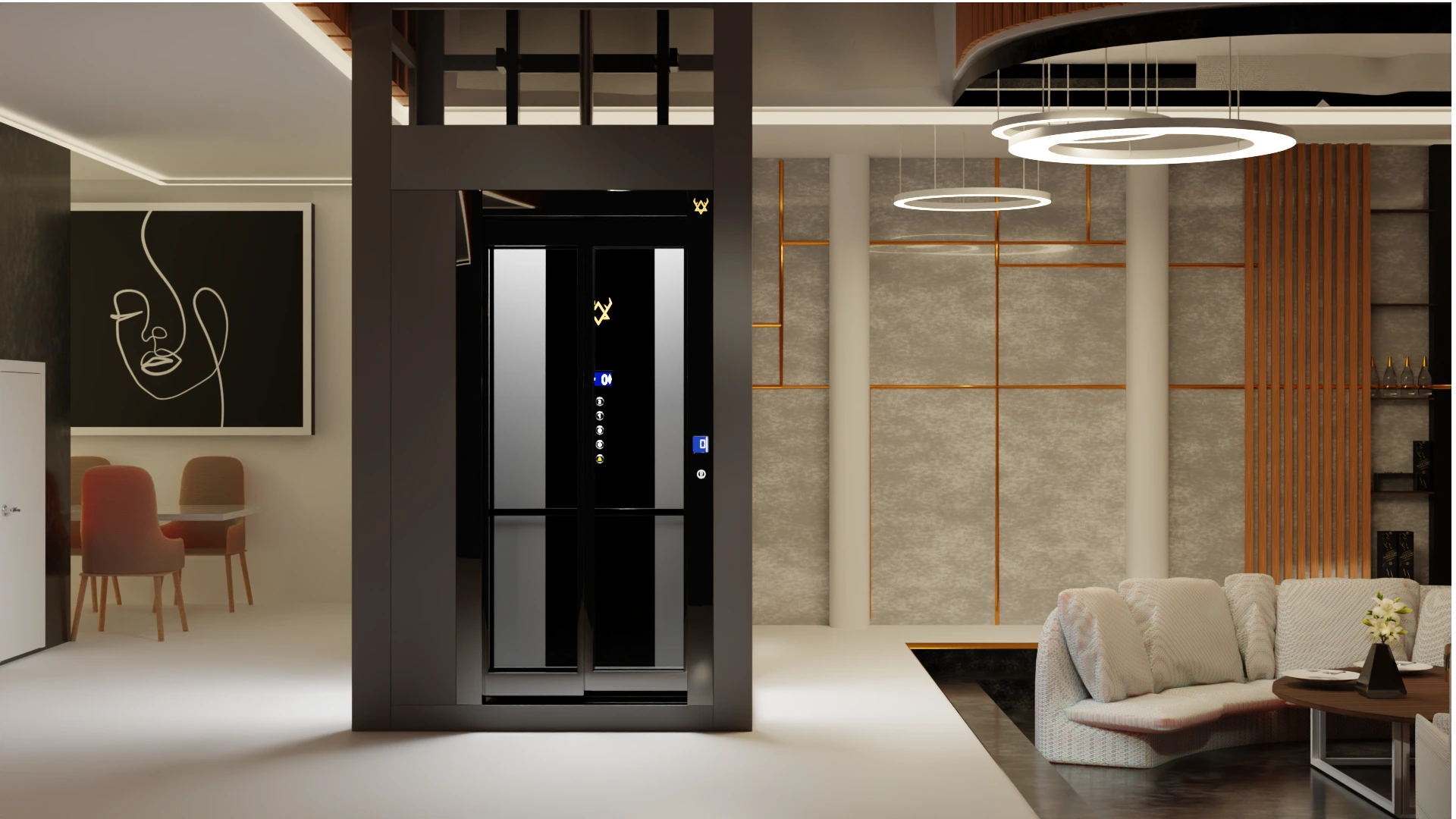
A home elevator is a compact lift system built specifically for residential use. It is fundamentally different from the commercial elevators found in offices, malls, or hospitals — those are built for heavy daily traffic from hundreds of users. A home elevator is designed for one family, engineered to fit into a residential space, run quietly, and require minimal maintenance over many years of daily use.
Most home elevators can carry 2 to 4 passengers comfortably, run on standard single-phase power, and are available in a range of technologies — from hydraulic and gearless systems to vacuum and platform options.
People refer to home elevators by several names — home lifts india, domestic lifts in india, residential elevators, or simply house lifts. The product and purpose remain the same regardless of what it is called.
Why Indian Homeowners Are Choosing Home Elevators Today
The shift from "luxury" to "practical necessity" has happened faster than most expected. Several factors have driven this:
Multi-floor homes are now the norm: As urban plot sizes shrink and land prices rise, families across India are building G+2, G+3, and even G+4 homes instead of spreading outward. Moving between fully lived-in floors several times a day — carrying groceries, laundry, children — becomes physically demanding over time.
Joint families are back: Three generations living under one roof is common across India. As grandparents age, stairs become a genuine daily risk. Falls on staircases are among the most common causes of serious injury at home — a home elevator removes that risk entirely.
Planning for the long term: A home built today will be lived in for 20 to 30 years. The family that moves in as a young couple will have elderly members long before the home needs replacement. Installing a lift while building — or planning for one during renovation — is simply smarter than retrofitting in a hurry later.
Property value: A home with a working elevator stands out clearly in the resale market. It signals quality construction and long-term liveability — making it more attractive to buyers and stronger as a long-term asset.
Types of Home Elevators Available in India
Understanding the available technologies helps you choose the right one for your home — not just the one that sounds most impressive.
Hydraulic Home Elevators
A hydraulic elevators uses fluid pressure to move the cabin between floors. Oil is pumped into a cylinder to raise the cabin and released gently to bring it back down. It offers strong load capacity, smooth movement, and a more affordable starting price compared to gearless systems. Stag's SE-2 is built specifically around this technology for Indian independent houses and villas.
Gearless Belt-Drive Elevators
A gearless elevators uses a belt-drive motor system with a counterweight — very few moving parts, near-silent operation, and very low long-term maintenance. It is the right choice for homes with 3 or more floors where ride quality and quiet operation matter. Stag's SE-3 brings this technology into compact Indian homes without requiring extra headroom or a machine room.
Ultra Gearless Elevators
The most advanced residential option available — precision-engineered aluminium shaft, no oil or greasing, and zero annual maintenance charges on select models. For homeowners who want the best long-term performance with the lowest running costs, Stag's SE-3 Ultra Gearless Elevators delivers exactly that.
Vacuum (Pneumatic) Elevators
These use air pressure differences inside a sealed tube to move the cabin. They need almost no civil work and have a modern, transparent appearance. However, they come with lower load capacity and require careful maintenance of the air-seal system — making them suitable only for specific situations where space is the primary constraint.
Screw-Driven Elevators
An older technology where a motor rotates a threaded screw to move the cabin. Still available in the market but involves more mechanical complexity, higher maintenance needs, and noisier operation compared to modern alternatives.
For homeowners with specific accessibility needs — particularly wheelchair users or family members with significant mobility challenges — platform lifts are also worth discussing with your elevator company as a space-efficient alternative.
Home Elevator Comparison — Which Technology Suits Your Home?
Factor | Hydraulic | Gearless | Ultra Gearless | Vacuum |
Best For (Floors) | G+1 to G+3 | G+2 to G+4 | G+2 to G+4 | G+1 to G+2 |
Ride Quality | Smooth, stable | Ultra-smooth, silent | Premium, near-silent | Moderate |
Maintenance | Low | Very Low | Zero AMC (select) | Medium |
Civil Work | Minimal | Minimal | Minimal | Almost None |
Starting Price | Most affordable | Mid-premium | Premium | Mid-range |
Best Home Type | Independent houses & villas | Multi-floor homes | Premium villas | Space-constrained homes |
Home Lift Cost in India — What to Expect
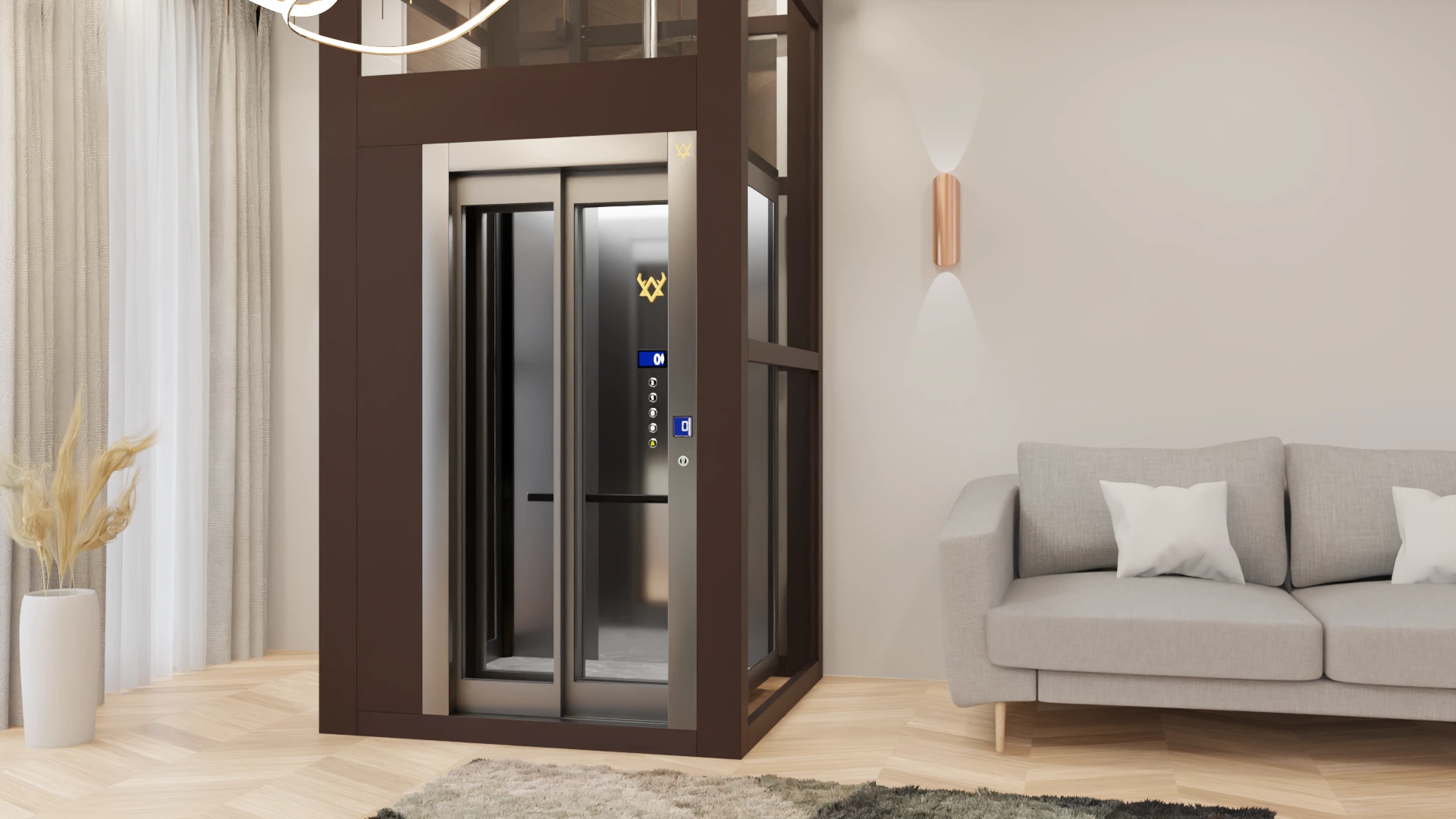
The cost of a home elevator is not a fixed number — it varies based on several factors specific to your home and the choices you make.
As a general starting point, residential elevators india typically start from around ₹13.5 lakhs and can go up to ₹50 lakhs or more depending on the technology, number of floors, cabin finish, and site conditions.
What drives the price:
Technology chosen — Hydraulic systems offer the most affordable entry. Gearless and ultra gearless models sit higher but deliver lower long-term running costs through reduced AMC and near-zero breakdowns.
Number of floors — Every additional floor adds travel height, an extra landing door, and stronger safety components. A G+1 installation costs considerably less than a G+3 or G+4 one.
Cabin size and finish — A standard cabin with basic finishes keeps the price lower. Glass panels, premium flooring, automatic doors, and custom lighting all add to the final cost.
Civil work required — If a shaft needs to be built from scratch or structural modifications are needed, these costs add to the overall project budget.
Safety certification — A lift independently certified by TÜV SÜD carries a slightly higher upfront cost than an uncertified alternative — but that certification confirms real, independently tested safety that protects your family for years.
A word on long-term cost — Most homeowners focus on the installation price. The smarter question is what the lift will cost your family over the next 20 years. A lower upfront price with high annual maintenance and frequent repairs almost always ends up costing more than a certified lift with zero or low AMC.
Safety Standards — What to Check Before You Buy
Safety is the one area where there is no room for compromise. A home elevator is used every day by your entire family — including children and elderly members.
Key safety features every home elevator must have:
● Automatic Rescue Device (ARD) — brings the cabin safely to the nearest floor during a power cut
● Emergency brake system — stops the cabin immediately if unusual speed or movement is detected
● Overload protection — prevents operation if weight exceeds the rated capacity
● Door safety sensors — stop doors from closing on a person or object
● Emergency alarm and intercom — allows immediate communication if assistance is needed
● Manual lowering option — available on hydraulic systems for safe descent during a technical fault
TÜV SÜD Certification The most reliable way to confirm that all these features actually work as promised is independent certification from TÜV SÜD — a globally recognised German testing body. This confirms the elevator has been independently tested for structural integrity, electrical safety, and emergency performance. Always ask for the actual certification document, not just a logo on a brochure.
Installation — What the Process Looks Like
Understanding the installation process helps you plan timelines and expectations realistically.
Site Visit — A technical team assesses your available space, floor-to-floor height, power supply, and structural conditions before recommending a technology or confirming pricing.
Technical Drawing — The lift is designed specifically around your home's available shaft space, floor height, and structural layout. You review and approve this before manufacturing begins.
Manufacturing — Once specifications are finalised, the cabin and components are built and quality-tested. This typically takes 4 to 8 weeks depending on customisation.
Installation — Most home elevators run on standard single-phase power and can be installed within a few days for standard configurations.
Safety Testing & Handover — Load testing, safety checks, and sensor calibration are completed before the lift is handed over for daily use.
How to Choose the Best Lift for Home in India
With so many options available, here is a practical approach to making the right decision:
Start with your space — Measure the area you have available before speaking to any company. Most home elevators fit into a shaft starting from 3 ft × 3 ft. Knowing your available space upfront saves time and leads to better recommendations.
Match technology to your floors — Hydraulic for 2 to 3 floors at a practical price. Gearless for 3 or more floors where ride quality and long-term low maintenance matter most.
Never compromise on certification — Always ask for documented TÜV SÜD certification. A company that cannot provide this should not make your shortlist regardless of price.
Look beyond the installation price — Ask specifically about annual maintenance charges, what is covered after installation, and whether zero-AMC models are available.
Choose a company that custom-builds — Every Indian home is different. A company that offers only fixed standard sizes cannot deliver the right fit for your specific layout.
Insist on a site visit before any quote — No company can give you an accurate price or recommendation without seeing your home first.
Why Stag Elevators
Among the best lift for home in India options available today, what makes Stag Elevators a trusted choice for homeowners across India comes down to a consistent commitment to doing things the right way.
Every Stag elevator is custom-engineered from scratch around your home's specific space, shaft dimensions, and structural layout. Every unit carries independent TÜV SÜD certification. Select models come with zero annual maintenance charges. And everything — from the first site visit through manufacturing, installation, and long-term after-sales service — is handled by one in-house team with full accountability.
Get in Touch With Stag Elevators
Whether you are building a new home or upgrading an existing one, the only accurate way to know the right technology and price for your property is through a proper site visit.
Contact Stag Elevators Today:
📞 India: +91-9900111082
✉️ Email: info@stagelevators.com
Final Thoughts
Home elevators in India have moved well beyond being a symbol of luxury. For families building multi-floor homes, planning for ageing parents, or simply thinking 15 to 20 years ahead, a well-chosen home elevator is one of the most practical long-term investments a homeowner can make.
The right decision starts with the right information — understanding the technology, the real costs, the safety standards that matter, and the questions to ask before you commit. A proper site visit with a certified, experienced company is always the most reliable starting point.
Frequently Asked Questions
1. What are home elevators in India and are they suitable for regular homes?
Home elevators in India are compact lift systems designed for residential use — not just large bungalows or premium villas. They are suitable for any home with 2 or more floors and are available in a range of technologies and price points to suit different budgets and layouts.
2. What is the minimum shaft size needed for a home elevator in India?
Most home elevators fit into a shaft starting from 3 ft × 3 ft, going up to 5.5 ft × 5.5 ft for larger cabins. The exact size depends on the technology and cabin capacity chosen — confirmed during a proper site visit.
3. What safety certification should I look for in a home elevator?
Always look for independent TÜV SÜD certification. This confirms the elevator has been tested by a globally recognised third party for structural integrity, electrical safety, and emergency performance — not just verified by the manufacturer.
4. Can a home elevator be installed in an already-built home?
Yes — retrofit installation is very much possible in existing homes. A technical team will assess your available space and recommend the right approach with minimal structural changes to your home.
5. What is the home lift cost in India for a standard installation?
A standard home elevator typically starts from around ₹13.5 lakhs and can go up to ₹50 lakhs or more depending on the technology, number of floors, cabin finish, and site conditions. An accurate quote requires a proper site visit.
6. Which is better — a hydraulic or gearless home elevator?
Neither is universally better — they suit different needs. Hydraulic elevators offer strong load capacity at a practical price for low to mid-rise homes. Gearless elevators deliver a quieter, smoother ride with lower long-term maintenance for homes with 3 or more floors.
7. Do home elevators work during a power cut?
Not for normal operation. The battery backup brings the cabin safely to the nearest floor and opens the doors so passengers can exit — it does not allow continued use until main power returns.
8. How long does it take to install a home elevator in India?
Manufacturing typically takes 4 to 8 weeks depending on customisation. On-site installation for a standard configuration is usually completed within a few days once the unit arrives at your home.
Ready to Install a Home Elevator in Your Home?
Get a personalized quote and expert guidance from Stag Elevators.