Domestic Lift Cost for Residential Homes in India (2026 Price Guide)

Stag Elevators – TÜV SÜD Certified, Imported from Italy | Free Customization on Select Models | Zero AMC for Long-Term Peace of Mind.

Table of Contents

Introduction to Domestic Lifts

How much does a domestic lift cost for residential homes in India, and which type is the best choice? Premium home elevators are increasingly chosen for villas and duplexes, offering smooth mobility, advanced safety, and long-term reliability. In this guide, we break down pricing ranges, lift technologies, installation factors, and key benefits to help you make an informed decision in 2026.

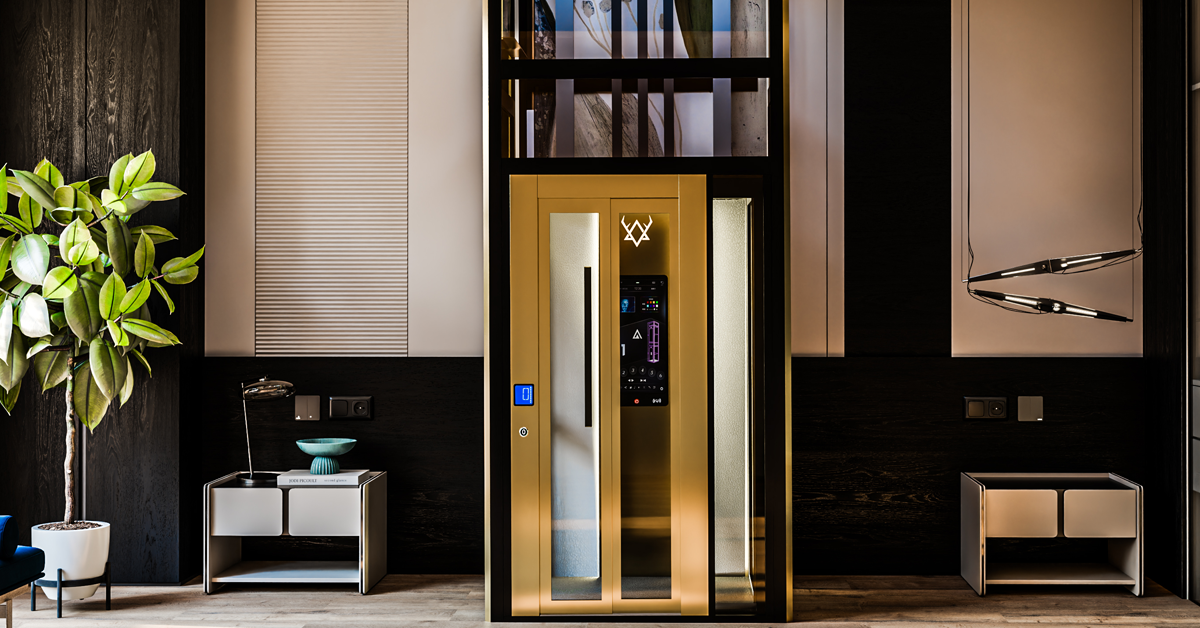
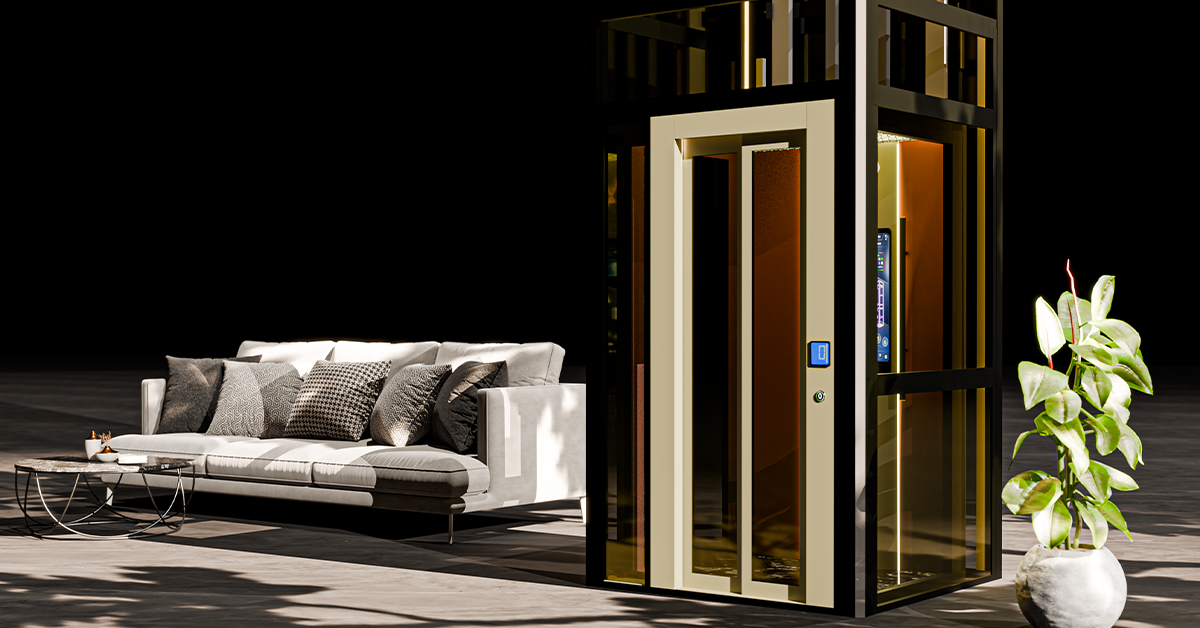
Domestic lift cost in India with price factors and installation overview

Domestic Lift Cost in India - 2026 Price Range

The cost of a home lift varies depending on technology, safety features, customization, and installation complexity. Here’s a straight forward guide for home owners:

Lift Category Price Range Features & Certifications Best For
Local / Low-Cost Lifts ₹5 – 6 Lakhs Minimal safety, no certifications, basic reliability Small homes with budget constraints
Standard Domestic Lifts ₹10 – 20 Lakhs Standard cabin sizes, limited features, Indian certifications G+1 to G+2 homes with moderate budgets
Premium Imported Lifts ₹15 – 40+ Lakhs Imported from Italy, TÜV SÜD-certified, fully customizable cabins, advanced safety systems Villas, duplexes, luxury homes

Note: The prices above are indicative only. Final cost may vary depending on the number of floors, travel height, lift technology, customization level, and installation complexity. This table provides a general understanding of domestic lift pricing in India.

What Factors Affect Home Lift Cost?

The total cost of a home lift depends on technology, installation complexity, and customization. Knowing the key cost drivers helps homeowners plan their budget and choose the right lift for their home.

The main factors that influence domestic lift pricing in India are:

  • Type of lift technology: hydraulic elevators, gearless traction, platform, screw-driven, or pneumatic

  • Number of floors and total travel height

  • Load capacity

  • Interior customization level and finishes

  • Space availability and structural requirements: pit, shaft, or support walls

  • Indoor vs. outdoor installation

  • Power supply, controls, and safety systems

  • Imported components or international certifications

  • Warranty and long-term service support

Note: Homes with limited space, higher customization, imported technology, or outdoor installations typically fall into the higher price range.

Before choosing a lift, consider your home’s layout, expected usage, and safety requirements — cutting corners on technology or certification may reduce upfront cost but affect long-term reliability and safety.

Types of Residential Lifts - Which one should you choose?

Choosing the right home lift depends on your home layout, the number of floors, available space, and desired features. Here’s a comparison of popular residential lift types in India:

Lift Type Best For Key Advantages Considerations
Hydraulic Lift Villas, duplex homes Smooth, silent, reliable High lifting capacity; ideal for heavier loads. ✅
Gearless Traction Lift Multi-storey homes, energy-conscious buyers Fast, energy-efficient, smooth operation Best technology; slightly higher cost. ✅
Platform Lift G+1 or G+2 buildings with limited space Compact, cost-effective, minimal civil work Limited to fewer floors; slower speed ✅
Screw-Driven Lift Small villas or apartments No machine room, compact design Old technology; high maintenance costs; slower speed ❌
Vacuum (Pneumatic) Lift Homes with very limited space Minimal installation, visually futuristic Safety concerns: vacuum leaks or cabin fall; limited weight and travel height ❌

Note: For homes with enough space, hydraulic and gearless traction lifts are the best solutions, offering quiet, smooth, and reliable operation. For homes with limited or congested space, platform lifts are preferred over vacuum lifts due to safety concerns and maintenance limitations. Most homeowners reject Screw-driven and Vacuum lifts due to safety risks and higher maintenance requirements.

Shaft & Structural Options ( Indoor & Outdoor )

All Stag Elevators lifts can be installed with or without a shaft, depending on the available space and structural support. Choosing the right shaft or wall configuration ensures safe, reliable, and cost-effective installation for your home.

Installation Options:

Three-Sided Walls:

Suppose
your home already has three existing walls, only the lift cabin needs to be installed. This reduces cost and construction work, while ensuring safe operation.

Custom Structural Shaft:

If walls are unavailable, Stag Elevators provides a complete structural shaft.
This ensures the lift has full support, whether the installation is indoor or outdoor.

Outdoor Installations:

Outdoor shafts are weatherproof and come with 10-year anti-rust protection, making them safe for all types of climates.

Pit, Headroom, and Machine Room:

No Pit Required: Most Stag lifts are designed without a pit, making installation easier in homes with space limitations.

Optional Pit: If the client can provide a 180mm (~8 inch) pit, the lift can achieve parallel landing with the floor. If not, only a small step is needed — nothing more.

No Headroom or Machine Room Required: All Stag lifts are compact and modern, eliminating the need for extra headroom or a separate machine room.

No Government License Needed: Homeowners do not need any special permissions to install a Stag lift.

Power Supply:

All Stag residential lifts operate on single-phase power, making them suitable for most homes without requiring additional electrical upgrades.

Whether your home has existing walls, limited space, or outdoor areas, Stag Elevators provides flexible shaft solutions with no pit, no headroom, no machine room, single-phase power, and weatherproof shafts, ensuring a safe, reliable, and hassle-free lift installation.

Benefits of Installing a Domestic Lift

Imagine your aged parents or family members struggling to climb stairs every day — a home lift can eliminate this stress, making daily movement effortless, safe, and comfortable.

Key Benefits of a Domestic Lift:

  • Effortless, safe mobility for multi-storey homes

  • Smooth and quiet operation, ideal for any home environment

  • Adds property value and luxury appeal, enhancing long-term investment

  • Energy-efficient and cost-effective over time

  • Fully customizable design to match your home interiors

  • Future-ready solution for long-term accessibility

If your family plans to stay in the home for decades, investing in a TÜV SÜD-certified lift ensures long-term safety, minimal maintenance, and peace of mind.

How to Choose Best Home Elevator?

Choosing a home elevator in India can be confusing because there are no specific government guidelines or regulations for residential lifts. Many local players enter the market, offering lifts with varying quality, safety, and reliability. Homeowners must be familiar with lift types, certifications, and structural requirements to make a safe and informed choice.

Key Considerations:

Safety Certifications: Always look for TÜV SÜD-certified or internationally approved lifts to ensure long-term safety.
Lift Type: Match the technology — hydraulic, gearless traction, or platform Lift — to your home’s layout, number of floors, and available space.
Space & Design: Ensure the cabin fits your home’s interiors without compromising aesthetics or functionality.
Structural Requirements: Check whether a pit, shaft, or wall support is needed for your chosen lift type.

Energy Efficiency: Gearless traction lifts consume less electricity and are more cost-effective over time.

Long-Term Support: Choose a manufacturer that offers pan-India installation and maintenance support for a hassle-free ownership experience.

Stag Elevators prioritizes safety, engineering quality, and elegant design, ensuring your lift operates smoothly and reliably for decades — even in a market where many local players may cut corners.

Why Choose Stag Elevators

Homeowners looking for a premium, safe, and hassle-free residential lift in India choose Stag Elevators for its advanced engineering, customization, and reliability.

Key Advantages of Stag Elevators:

  • TÜV SÜD-certified with 194 safety checks, ensuring top-notch safety standards.

  • Italian-made and imported elevators designed for smooth, quiet, and reliable operation.

  • Customization at zero cost on selected models, including cabin interiors and finishes.

  • Advanced safety features for peace of mind in every home.

  • Indoor and outdoor installation options with weatherproof shafts and anti-rust protection.

  • No pit, no headroom, no separate machine room, and no government license required—making installation simple and convenient.

  • Pan-India installation and long-term service support for worry-free ownership.

For homeowners who value premium quality, long-term safety, and effortless operation, Stag Elevators offers a future-ready, fully certified, and customizable solution for villas and duplex homes.

Contact Stag Elevators for Pricing

Planning to install a home lift? Speak with our experts today for personalized guidance, technical consultation, and transparent pricing based on your home’s layout and requirements.

Call or email for customized domestic lift cost and expert support:

India: +91-9900111082
Dubai: +971-567894252

Email: info@stagelevators.com
Website: www.stagelevators.com

Whether you are building a new villa or upgrading your existing home, our team will help you choose the safest, most suitable, and future-ready lift solution for your family.

FAQ'S
Frequently Asked Questions
  • 1. How much does a domestic lift cost in India?
    A domestic lift in India typically starts from ₹12–14 lakh for G+1 homes, depending on lift type, load capacity, customization, and structural requirements. Premium certified lifts with advanced safety features may cost more but offer better long-term reliability.

  • 2. What is the price of a 2-person home lift?
    The price of a 2-person home lift generally starts from ₹12–16 lakh. However, the cost does not depend only on the number of persons or cabin size. Pricing is mainly based on the number of floors, total travel height, lift technology, structural requirements, and safety features selected.
  • 3. Do Stag home lifts require a pit or machine room?
    No. Stag home lifts are designed with no pit, no headroom, and no separate machine room requirement, making installation simple and space-efficient for residential homes. They also do not require a government license and operate on a standard single-phase power supply, making them suitable for most homes without additional electrical upgrades.
  • 4. Can a home lift be installed without a shaft?
    Yes. If your home has three existing walls, the lift can be installed directly. If not, a complete structural shaft can be provided. Installation is possible both indoor and outdoor, with weatherproof and anti-rust protection for exterior shafts.
  • 5. Do Stag Elevators provide installation and after-sales service in Delhi?
    Yes. Stag Elevators provides complete installation and after-sales service in Delhi and the NCR region. We have completed multiple installations in Delhi and also offer pan-India installation and long-term service support.
  • 6. What safety features do Stag Elevators provide for home lifts?
    Stag Elevators are TÜV SÜD certified and undergo 194 safety checks to ensure reliable operation. Key safety features include an Automatic Rescue Device (ARD), emergency alarm system, door safety sensors, overload protection, smooth start-stop technology, and more. These features ensure safe, stable, and secure operation for elderly family members and daily use.
  • 7. Are there any regulations for home lifts in India?
    In India, there are no specific centralized regulations exclusively governing residential home lifts installed in private villas and duplex homes. Due to this regulatory gap, many local elevator vendors have entered the market, offering products with varying safety and engineering standards. This is why homeowners should choose lifts built to international safety benchmarks. Stag Elevators provides TÜV SÜD-certified, European-standard home lifts, ensuring higher safety, better engineering quality, and long-term reliability compared to unregulated local alternatives.

Final Thoughts: Smart Investment for Long-Term Comfort

Installing a home lift is not just about convenience — it is a long-term investment in safety, comfort, and future accessibility. Whether you are planning for elderly family members, improving daily mobility, or enhancing your property’s value, the right lift adds both functionality and elegance to your home.

When choosing a residential elevator, prioritize safety certifications, engineering quality, structural suitability, and long-term service support over just price. A well-designed lift built to international standards ensures smooth performance, minimal maintenance, and peace of mind for years to come.

By making an informed decision today, you create a future-ready home that remains comfortable, accessible, and valuable for decades — and with Stag Elevators, you can expect certified safety, premium engineering, and reliable performance built to last.

Author's Bio

Picture of Vinoth Kannan

Vinoth Kannan

Vinoth Kannan is the CTO and Co-Founder of Stag Elevators, bringing years of technical expertise in designing safe and reliable home elevator systems. He leads the engineering, product innovation, and TÜV SÜD–certified quality processes that power Stag’s European-standard home lifts. His work ensures homeowners receive trusted, high-performance elevator solutions built for the future.

Leave a comment

Submit Your Details
Download Our Brochure
Want Help?
We Are Here to Talk!

Enquire Now
Want to know more about Stag Elevators?
We Are Here to Talk!
Enquire Now
Submit Your details &
Get Callback Shortly